Switzerland Development cooperation
Five years of Taliban rule, and Switzerland is working in Kabul again
The SDC office reopened in March 2025 after operating from Islamabad. Bern does not recognise the government but keeps its humanitarian programmes running.
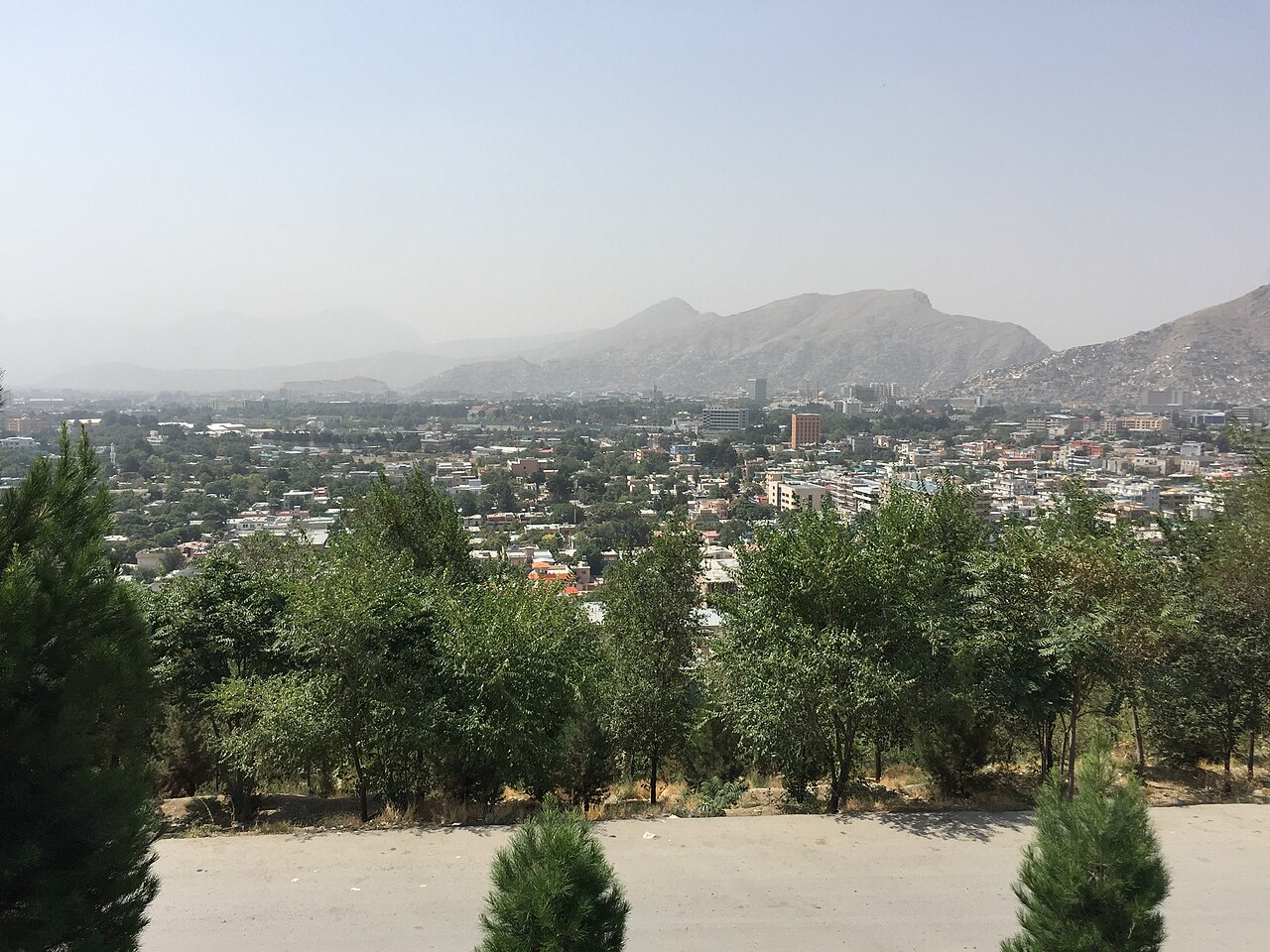
On 15 August 2021 the Taliban entered Kabul and president Ashraf Ghani left the country. Five years on, Switzerland has a working office in the Afghan capital and continues to fund humanitarian programmes, without recognising the government.
The sequence was gradual. In the weeks of the takeover the Swiss cooperation office was closed and its staff evacuated. Programmes continued first from Bern and then, from February 2023, from Islamabad. In March 2025 the Swiss Agency for Development and Cooperation reopened its base in Afghanistan with a team of experts, relying on local non-governmental organisations to carry out projects.
Last year the Swiss government allocated 25 million francs in aid. The United Nations estimates that 24 million people in the country need assistance. At the end of 2024, seventeen Swiss citizens were registered in Afghanistan. Trade remains marginal: in 2023 Swiss exports came to 5.14 million francs and imports to 1.48 million.
Recognising states, not governments
"Switzerland recognises states, not governments," the Federal Department of Foreign Affairs points out. The principle allows an operational presence without legitimising the de facto authority. "Although sporadic contacts exist, these constitute neither diplomatic recognition nor official legitimation of the Taliban regime," the department adds.
On rights, the Swiss position is explicit. "Bern condemns in the strongest terms the discrimination and oppression of women and girls in Afghanistan," a spokesperson said. In March 2026 the issue was discussed at the United Nations Human Rights Council, which speaks of gender apartheid.
In five years the authorities in Kabul have made sharia the basis of the legal order, adopted a new code of criminal procedure and issued so-called virtue laws that include compulsory full veiling and bans on everyday activities, among them playing chess. Girls and women are excluded from secondary school and university.
The contradiction facing every international agency in the country is the same: stopping the programmes hits the population they are meant to protect, while continuing them means operating inside an institutional framework they condemn.
Comments
There are no comments yet. Yours can be the first voice.