Switzerland Civil protection
Switzerland helps Europe fight fires, but stays outside the system
Three army Super Pumas are operating in Corsica. Accession to the European civil protection mechanism has been pending for three years, and without it reciprocal help is not guaranteed.
In July alone, fires in France and Spain burned through more than 220,000 hectares. That is an area ten times the size of Lake Neuchâtel, the largest body of water lying entirely in Switzerland.
"What we are witnessing today in Europe marks the start of a new era, characterised by forest fires and extreme weather events," says Christine Eriksen, senior researcher at ETH Zurich's Center for Security Studies. Her work concerns vegetation fires and societal resilience.
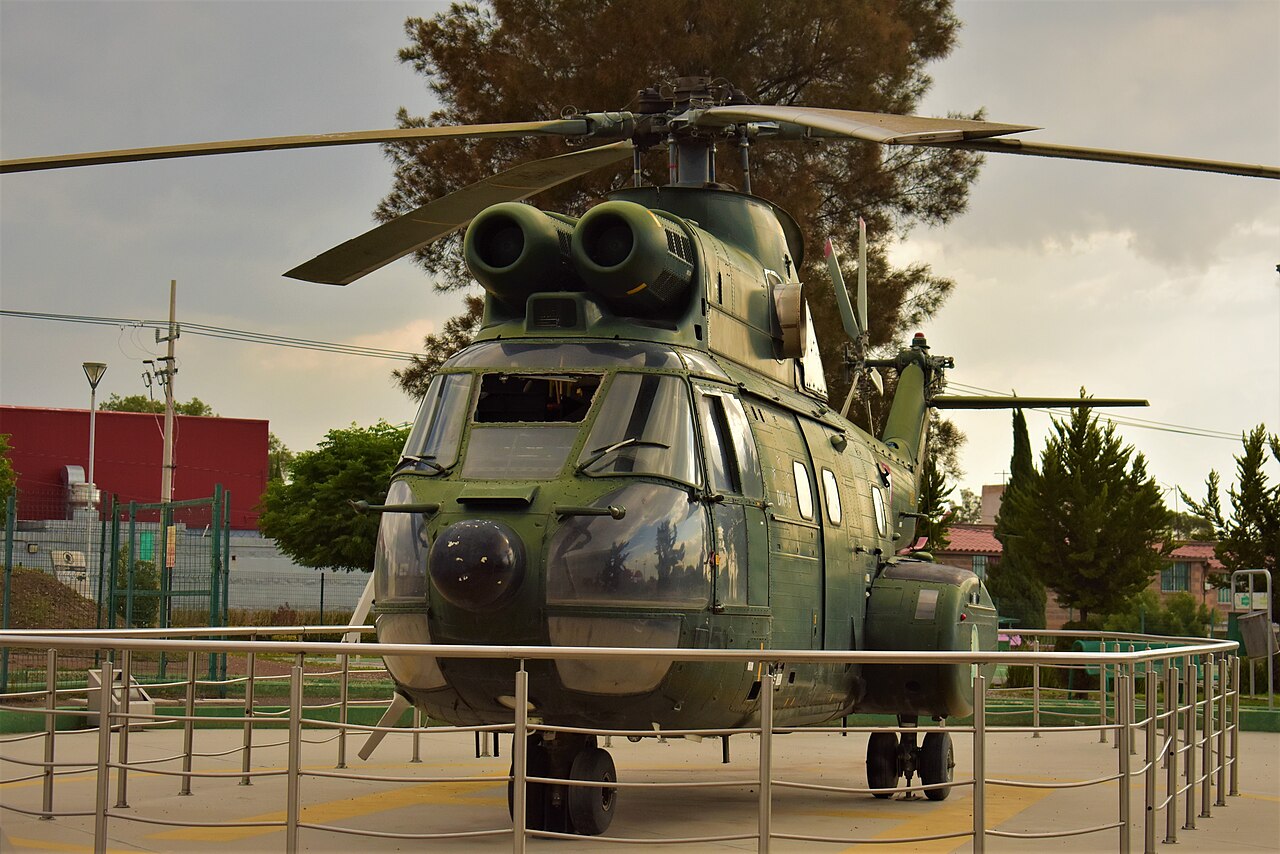
Switzerland is taking an active part in the effort. Three army Super Puma helicopters are currently operating in Corsica, flying seven hours a day with more than twenty water drops each. Detachment leader David Sochor explains that the unit can intervene on flare-ups, protecting people, infrastructure and the environment promptly.
It is not the first time. Swiss helicopters and specialist units were deployed in Greece in 2021 and 2023, and in Italy, Portugal and Montenegro in 2017. This year a Swiss firefighting unit was deployed for the first time in the Gironde region.
The mechanism Switzerland does not belong to
The European Union set up a unified civil protection system in 2001, allowing member states to provide each other with assistance in the event of disaster. Ten further countries take part, including Norway and Iceland as members of the European Economic Area, and candidate countries such as Albania, Serbia and Turkey.
Switzerland occupies a marginal position. In 2023 Parliament asked the Federal Council to prepare accession to the mechanism. Work is under way, but the country remains in a waiting phase, because the European rules were not designed for third countries. The European Parliament could amend them by 2027.
One precedent shows what the mechanism makes possible. During the Crans-Montana fire disaster Switzerland activated it, and several EU states quickly made specialist transport and hospital beds available, including burns treatment at Milan's Niguarda hospital.
"The Crans-Montana emergency showed that when we need specialist assets, such as air ambulances, we have too few of them," notes Roland Bollin, head of international affairs at the Federal Office for Civil Protection.
The EU's strategic reserve comprises 22 firefighting and rescue aircraft plus five helicopters, with twelve more aircraft on order and deliveries running late. At present seven water bombers and four helicopters, from seven countries, are fighting the fires in France.
For Bollin, acquiring a Swiss fleet is not appropriate at this stage. The conclusion comes from an expert analysis in 2022, requested by a parliamentary postulate of 2019. The report acknowledged that rising temperatures and prolonged dry spells make more frequent and more intense vegetation fires in Switzerland more likely, but recommended clarifying access to international resources instead.
Until accession is settled, the European response to any Swiss request remains uncertain. The problem arises above all between August and September, when Mediterranean assets are already fully committed. A European official summed up the criterion applied when requests compete: the deciding factor is where the intervention is most effective. Eriksen and Bollin both believe that, forced to choose, the EU would give priority to a partner state.
Accession would come at a cost. Participating countries pay proportional contributions, and for Switzerland that would currently amount to around 11 million francs a year, with assistance covered net of a deductible of between 10 and 25 per cent.
The gain would not be only operational. A 2021 study commissioned from Eriksen herself by the Federal Office for Civil Protection listed among the advantages access to a pool of resources, specialist expertise, training and field experience. "The firefighters from French-speaking Switzerland sent to Bordeaux are not only providing help: at the same time they are accumulating valuable experience," the researcher notes.
Switzerland would have something to offer in return. Bollin cites national expertise in handling nuclear, biological and chemical events and in protecting critical infrastructure, along with the country's strength in prevention. A European official recalled earlier this week that without greater investment in prevention, the capacity to respond will be missing even with a hundred times more aircraft.
Comments
There are no comments yet. Yours can be the first voice.