Switzerland Climate inequalities
Heat at home weighs more heavily on women, the elderly and low incomes
A University of Geneva study of more than a thousand residents finds that almost two thirds regularly suffer from heat at home. The researchers speak of thermal justice.
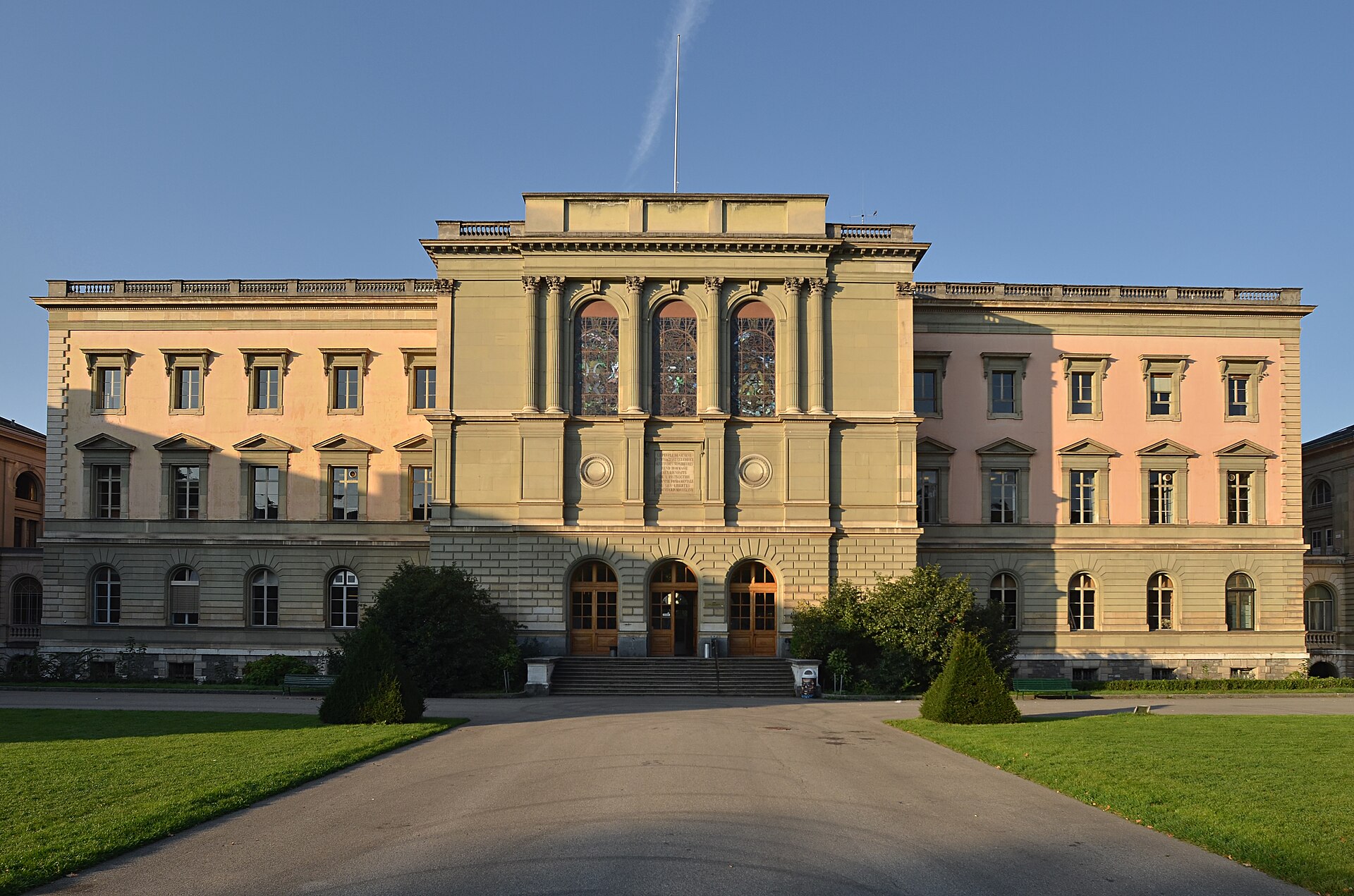
Almost two thirds of the residents surveyed in Geneva say they regularly suffer from heat at home. The figure covers the summers of 2024 and 2025 and comes from a survey of more than a thousand people.
The study is titled "Le confort estival à Genève" and was carried out by the University of Geneva in the summer of 2025. It forms part of the SWICE project, devoted to individual and collective wellbeing in the energy transition.
Sleep disturbance affects three respondents in four. Difficulty concentrating, dehydration and irritability follow.
Who is most exposed
The study identifies the groups affected disproportionately. They are women, gender minorities, people on low incomes, tenants, residents of dense urban areas, the elderly and people with health problems.
Alice Guilbert, a researcher at the Institute for Environmental Sciences at the University of Geneva, explains that vulnerability to heat arises from a combination of social and economic factors. In the case of women the gap is traced to heavier domestic and family loads, which reduce flexibility during heat peaks.
The picture shifts the problem away from the individual and towards housing and the organisation of the day. Tenants do not decide what work is done on the building. People in dense districts have fewer shaded spaces nearby. Those on low incomes have less room to equip their home.
The researchers set out several possible directions. They suggest thermal renovation of buildings with priority for low-income housing, the introduction of flexible hours and remote work, free access to air-conditioned spaces such as cinemas and shopping centres, new cooling installations such as misting systems and green spaces, and the alignment of school hours with working hours.
The concept around which the study turns is thermal justice. It denotes the aim that all citizens should be able to protect themselves equally, whatever their income, housing, gender or neighbourhood.
The sample covers the city of Geneva alone. The study does not say whether the proportions found apply to other Swiss urban centres as well.
Comments
There are no comments yet. Yours can be the first voice.