Switzerland Cross-border water
Who decides about the water Switzerland shares with its neighbours
Switzerland holds six per cent of Europe's freshwater reserves and manages them through bilateral agreements. Lake Maggiore remains the case without a treaty, with Bern unwilling to impose anything on Ticino.
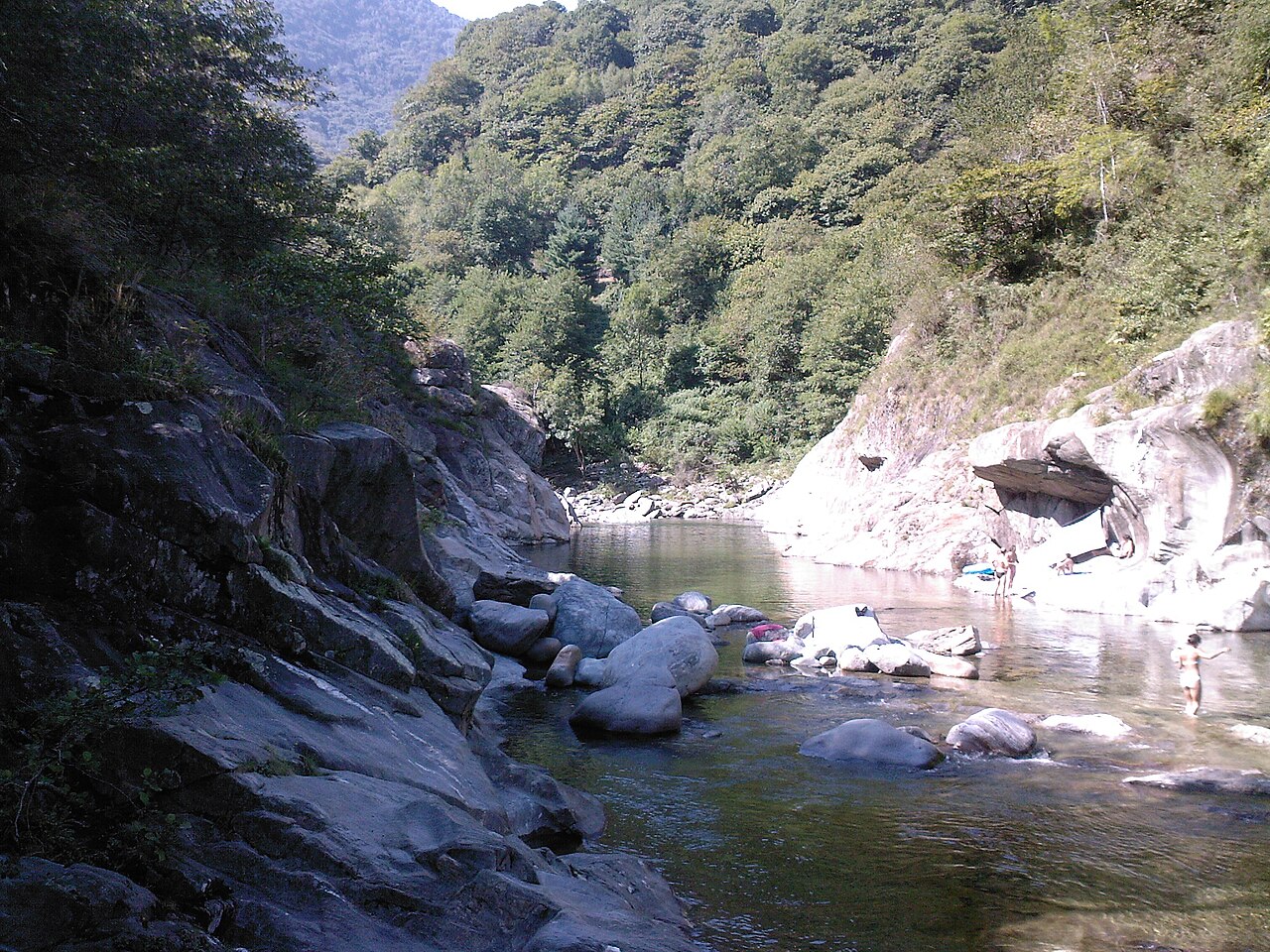
Switzerland occupies a tiny share of European territory and holds six per cent of the continent's freshwater reserves. Glaciers, lakes and rivers do not stop at the border: the Ticino feeds the Po, the Rhine flows towards Germany and the Netherlands, the Rhône crosses France to the Mediterranean. Decisions taken in Bern have consequences hundreds of kilometres away.
Christian Bréthaut, professor and co-director of the UNESCO Chair in Hydropolitics, explains to RSI how this shared management works. During a shortage like this summer's, the hardest question concerns priorities: drinking water for households, irrigation for agriculture, hydroelectric generation or industrial cooling.
"Priorities are defined on the basis of crucial security needs. Drinking water supply is fundamental, water is a human right. Then come food and energy security," Bréthaut says. The problem, he adds, is that precise data on actual consumption by different uses is missing, and without it setting priorities remains difficult.
Where agreements work and where they are missing
Not all of Switzerland's water borders are regulated in the same way. The Rhine, the Danube and Lake Constance are cited by the professor as examples of good transboundary management, with operational commissions holding clearly defined responsibilities and able to handle crises.
With France the decisive step came in 2025, with the agreements on Lake Geneva and the Rhône. Negotiations had begun in 2011, after a severe French drought. According to Bréthaut, those agreements anticipate tensions that climate change will intensify, and they fill a gap: most European rivers already have a convention, while the Rhône had long been an exception.
The unresolved case is Lake Maggiore. Italy wants higher levels to secure agriculture on the Po plain; Ticino fears flooding in the Locarno region. This year Piedmont asked the canton to increase outflows from the lake, which remains at historic lows, and the cantonal government said no because there is not enough water even for its own needs.
Unlike Lake Lugano, governed by a 1955 convention, and Lake Geneva, for which quantitative provisions exist between Switzerland and France, Lake Maggiore has no binding framework. A motion by Social Democrat national councillor Bruno Storni, co-signed by 28 other parliamentarians, calls on the Federal Council to negotiate an international convention with Italy.
Bern's answer, through the department of Federal Councillor Albert Rösti, remains cautious: permanent regulation requires an agreement with Italy, and the Federal Council would not conclude one against Ticino's will. In the meantime the Federal Office for the Environment is checking that the 2026 experimental phase, raising the level by 1.35 metres, respects safety limits on Swiss territory.
Bréthaut is sceptical about the idea of an international water authority, because drought situations are strongly tied to local context. He prefers flexible bilateral agreements, with international law providing the guiding principles. He also observes that regional and intercantonal tensions are set to increase and that the Confederation's role in crisis management will become more important. Rösti has announced a review of the national water strategy.
Comments
There are no comments yet. Yours can be the first voice.