World Migration
Ceuta, 72’000 arrivals and at least 75 deaths: the human cost of borders
The late-July influx into the Spanish enclave has put the new European pact on migration and asylum to the test. For researcher Robin Stünzi, controls work better today, but migrants are the ones paying the price.
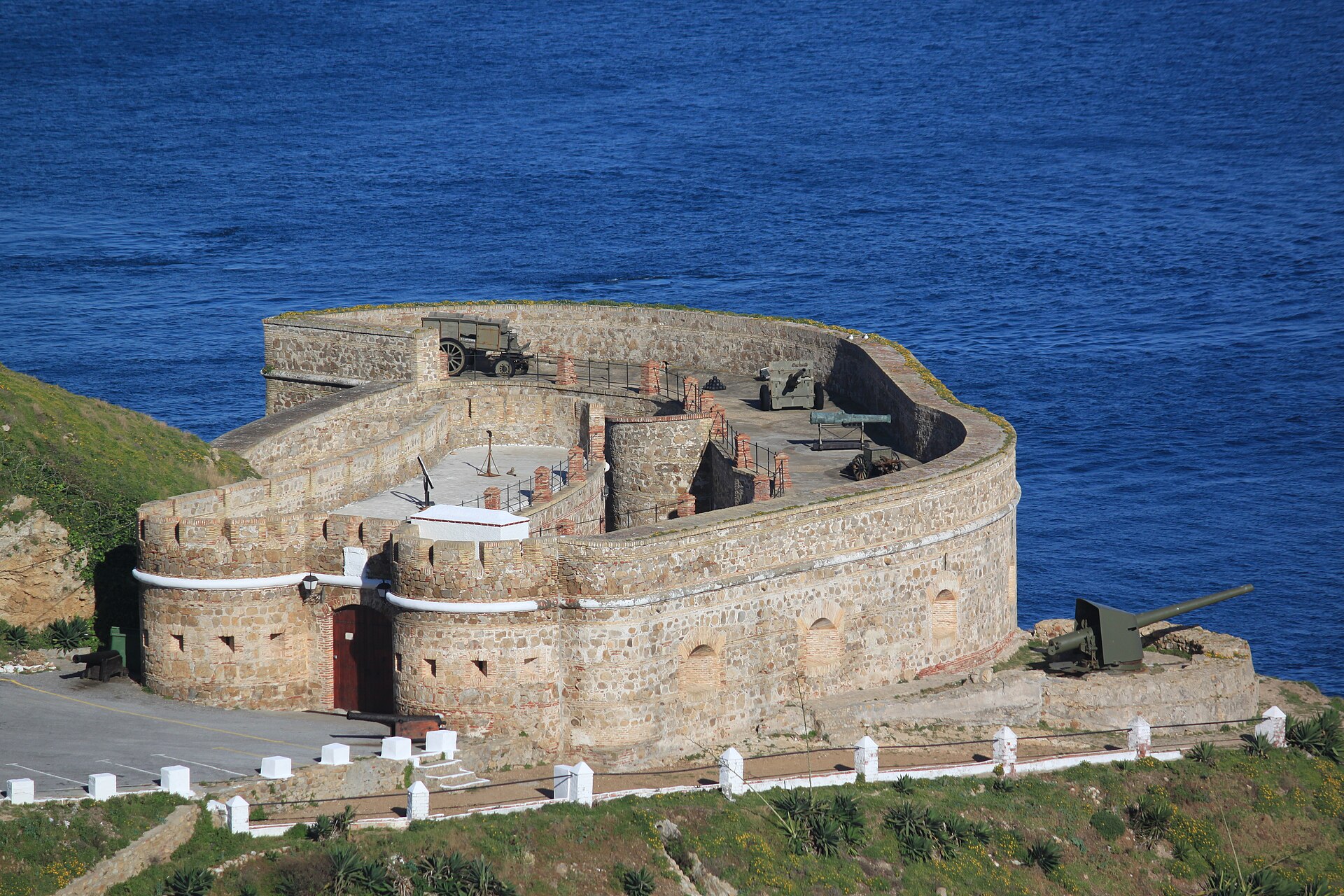
At the end of July, 72’000 people arrived from Morocco in Ceuta, the Spanish enclave on the northern coast of Africa. At least 75 of them lost their lives trying to reach that scrap of European territory. Most have since returned home. The episode raises an uncomfortable question once again: how much does border control cost in human lives?
The events are analysed by Robin Stünzi, scientific coordinator of the National Centre of Competence in Research on migration and mobility at the University of Neuchâtel, interviewed by swissinfo.ch. The researcher runs through three possible explanations for the sudden influx.
The first points to the regularisation campaign launched by Spain in January, but Stünzi considers it implausible. The second looks at the tensions between Madrid and Rabat over Western Sahara, with the precedent of 2021, when Morocco facilitated arrivals in the enclave; here too, however, solid evidence is lacking. The most convincing is the third: three weeks before the influx, Spain’s Supreme Court had restricted the possibility of returning people who arrive by sea. Anyone arriving irregularly by land can be turned back immediately, whereas for sea arrivals the authorities must examine the asylum application. The ruling, amplified by social media, created the impression of a temporarily open border.
The opening, however, was only apparent. Spain was not required to consider 72’000 asylum applications, because people leaving Morocco do not, as a rule, qualify for political asylum. Hence the return home of most of those who arrived.
The highest price was paid by the people on the move. Floating containment barriers were installed near the beach of Ceuta, and a large barrier was placed offshore to prevent new episodes. It is precisely this infrastructure, the researcher observes, that is probably behind at least some of the roughly 80 recorded deaths.
The new European pact put to the test
The influx came less than two months after the entry into force of the European pact on migration and asylum, a package of ten legislative texts born out of the 2015 crisis. The pact rests on three pillars: screening at the Union’s external borders, with identification, security checks and a medical examination; an accelerated procedure at the border; and the distribution among member states of people who could obtain international protection.
The system’s political cohesion cracked immediately, however. Italy and Denmark threatened to exclude Spain from the Schengen agreements and to reinstate controls at internal borders: threats that Stünzi considers legally impossible to implement, as well as disproportionate. The Union’s interior ministers later met by videoconference and signed a message of solidarity.
The screening mechanism is nothing new for Switzerland, which has applied it since the 1990s: checks already take place at the border and people are then distributed among the cantons. The issue remains topical at federal level too, with the Swiss People’s Party initiative on border protection soon to be discussed in Parliament.
Finally, there is the knot of human rights. The European agency Frontex has strengthened the resources of the Libyan coastguard, but many of the people intercepted end up victims of violence and torture in Libya. For Stünzi, this is one of the most glaring contradictions of European migration policy. Irregular entries have been falling for years: the open question is what human price Europe is willing to accept in exchange for better-controlled borders.
Comments
There are no comments yet. Yours can be the first voice.