Switzerland Agriculture
Heat and drought put cheese producers under strain
Cows under heat stress eat less and give less milk, while grass is scarce. Many farms are already drawing on the forage reserves set aside for autumn and winter.
The situation for milk producers is very tense. So says Christa Brügger, spokesperson for the Swiss Milk Producers federation, who lists several factors acting at once: on top of persistent heat and drought come low milk prices, rising costs and, on some farms, health problems among the animals.
The mechanism is simple. Cows under heat stress eat less and produce less milk. Over the same period grass growth has fallen sharply and forage is short. Many farms have begun to draw on the reserves put aside for autumn and winter, using up in August what was meant for December.
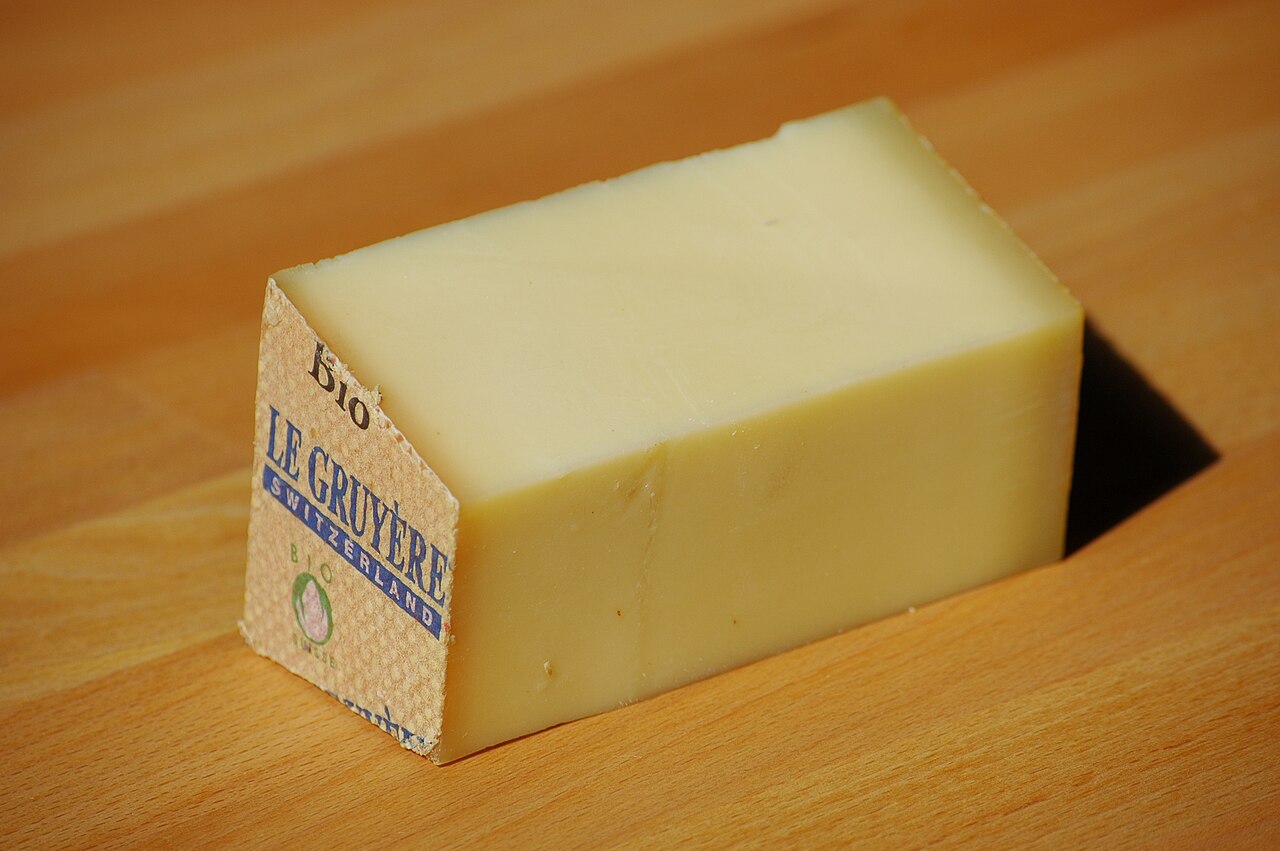
The Gruyère and Tête de Moine organisations confirm a very significant impact on animal health and on forage availability. Production costs are rising because supplementary feed has to be bought, while the volume of milk is falling. On several farms the hay intended for winter is being used to make up for the fresh forage that is not there.
According to Olivier Isler, director of the Gruyère interprofessional body, climatic uncertainty is a challenge for mountain cheese supply chains. Production has fallen noticeably in recent months compared with the previous year, and for alpine Gruyère a drop of around ten per cent is expected. On lowland farms the contraction is more limited, because they can draw on alternative milk supplies.
For buyers the immediate effect will be small: cheese stocks remain well supplied and availability at the end of the year, particularly over Christmas, is considered secure. The problem therefore shifts upstream, to those who produce.
It is the alpine farms that pay the highest price. They are also the ones with the least room to manoeuvre: they cannot buy milk elsewhere, they depend on pasture that is not growing, and they work with rising costs and falling receipts. The open question is how that cost is shared along the chain, from producer to retailer, and what instruments are needed so that a season like this one does not become the norm without anyone having decided it.
Comments
There are no comments yet. Yours can be the first voice.