Switzerland Wildlife
Hundreds of storks gather in Switzerland ahead of the migration
250 birds were counted at Chavornay and 180 in the Geneva region. According to the Swiss Ornithological Institute, the gatherings herald the departure for Africa, even though more and more storks now spend the winter in Switzerland.
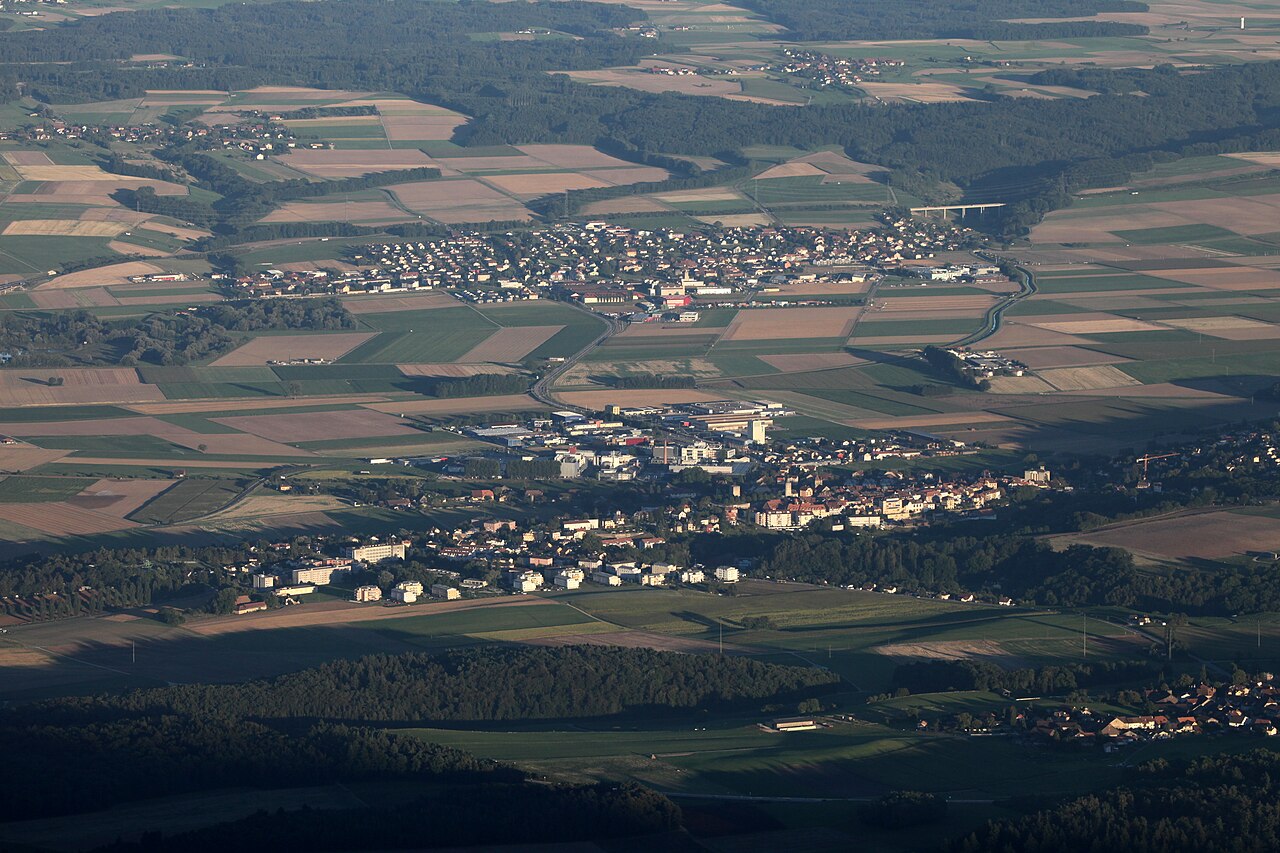
While Switzerland copes with the heatwave, the countryside of French-speaking Switzerland is offering scenes that herald the end of summer. On Tuesday a colony of 250 storks was reported at Chavornay, in the canton of Vaud. The following day a group of 180 birds was observed in the Geneva region.
For the Swiss Ornithological Institute this is not an exceptional phenomenon. «Non si tratta nemmeno dei gruppi più grandi che abbiamo mai registrato» (these are not even the largest groups ever recorded), explains spokesman Livio Rey. «Ma il tema tocca evidentemente la gente» (but the subject clearly touches people).
The gatherings have a simple explanation. With the breeding season over, adults and young birds are numerous and the migration period begins. Freshly ploughed fields and freshly mown meadows are the favourite spots for these assemblies. «Lì le cicogne trovano facilmente cibo, come cavallette, topi o lombrichi» (there the storks easily find food, such as grasshoppers, mice or earthworms), says Rey. Sometimes the large groups also spend the night on rooftops. «Non si tratta di un comportamento sociale in senso stretto» (it is not social behaviour in the strict sense), the spokesman points out.
Switzerland's white storks follow the western route: using thermal currents to gain altitude, they head for Spain and the Strait of Gibraltar on their way to West Africa. Departure usually starts from mid-July. The eastern route, followed by birds from eastern Germany and eastern Europe, passes over the Bosphorus and the Gulf of Suez and leads to East Africa. The adults will return from February onwards to nest.
More and more birds winter here
Not all storks leave, however. In January 2017, 288 wintering storks were counted in Switzerland; in January 2026 there were 1'770, an all-time record. Why do they give up the journey? Rey's answer is short: «Il cibo» (food). «In inverno qui trovano abbastanza nutrimento, perché nevica meno e ci sono meno gelate» (in winter they find enough food here, because it snows less and there are fewer frosts), he explains. The cold itself is not an obstacle: «Il piumaggio delle cicogne isola piuttosto bene dal freddo» (storks' plumage insulates rather well against the cold).
Today's picture is the result of a long recovery. In the 1950s the stork was considered extinct in Switzerland. Around 1'300 pairs now breed in the country.
Comments
There are no comments yet. Yours can be the first voice.