Switzerland Climate and energy
Air conditioners, rising demand in Switzerland too
Air conditioning protects against heat, but increases emissions and electricity demand. In Switzerland, its spread remains limited, while cantonal authorities impose conditions on new systems.
Heatwaves are becoming more frequent and lasting longer. This is why air conditioning is spreading to countries where it was not previously considered essential, including Switzerland.
Cooling indoor spaces can improve sleep during summer nights. It also helps maintain concentration in schools and productivity in offices. According to a Lancet Countdown report, air conditioners prevented almost 200,000 heat-related premature deaths worldwide in 2019.
Their environmental impact remains significant. These systems contain refrigerant gases that contribute to the greenhouse effect if they escape into the atmosphere. R-32, which has been used for years, has a global warming potential around 675 times higher than that of carbon dioxide.
The electricity needed to operate them adds to these emissions. A household appliance consumes between 3 and 7 kilowatt-hours per day. In 2022, space cooling accounted for 7% of global electricity consumption. The International Energy Agency expects global demand to triple by 2050.
Portable air conditioners cost less and are easier to install. However, they use more electricity than fixed models to provide the same level of cooling. The heat released outdoors can also worsen urban heat islands.
The situation in Switzerland
More than 2.5 billion air conditioners are currently in operation worldwide. Around 36% of homes have a cooling system. This share is expected to reach 60% by 2050. In the United States, air conditioning is present in around 90% of homes, while in the European Union the share was 20% in 2019.
There are no official figures for Switzerland. Estimates indicate that only 5% of homes have air conditioning. Nevertheless, around 20,000 fixed units are installed in homes and offices every year.
The increase in sales mainly concerns portable models. According to the online retailer Galaxus, sales last June were three times higher than in June 2024.
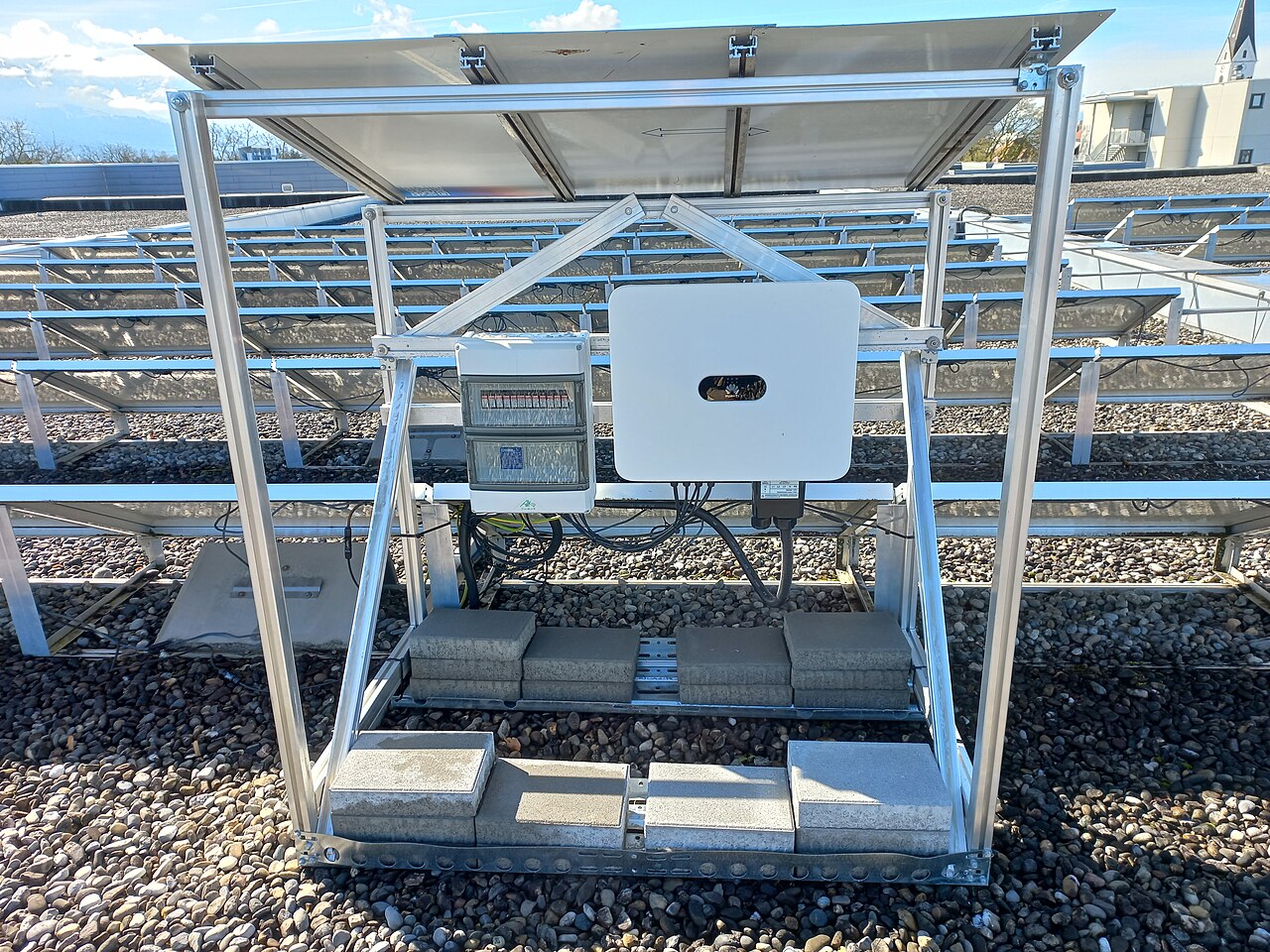
Fixed systems must meet energy and building requirements. Cantonal authorities currently authorise units with a maximum output of 12 watts per square metre. In Zurich, adequate insulation and solar protection are also required. In the Canton of Fribourg, a photovoltaic system must also be installed on the roof.
A simple way to reduce the need for air conditioning is to block sunlight before it enters through the windows. External shutters, awnings and white blinds can help keep indoor spaces cooler.
Comments
There are no comments yet. Yours can be the first voice.