Switzerland Automatic fines
Uster: one million francs in fines from cameras never approved
The Zurich municipality of Uster collected more than one million francs in fines from cameras monitoring a level crossing, even though the system was never approved by the Federal Institute of Metrology. The system has now been switched off and its legality remains disputed.
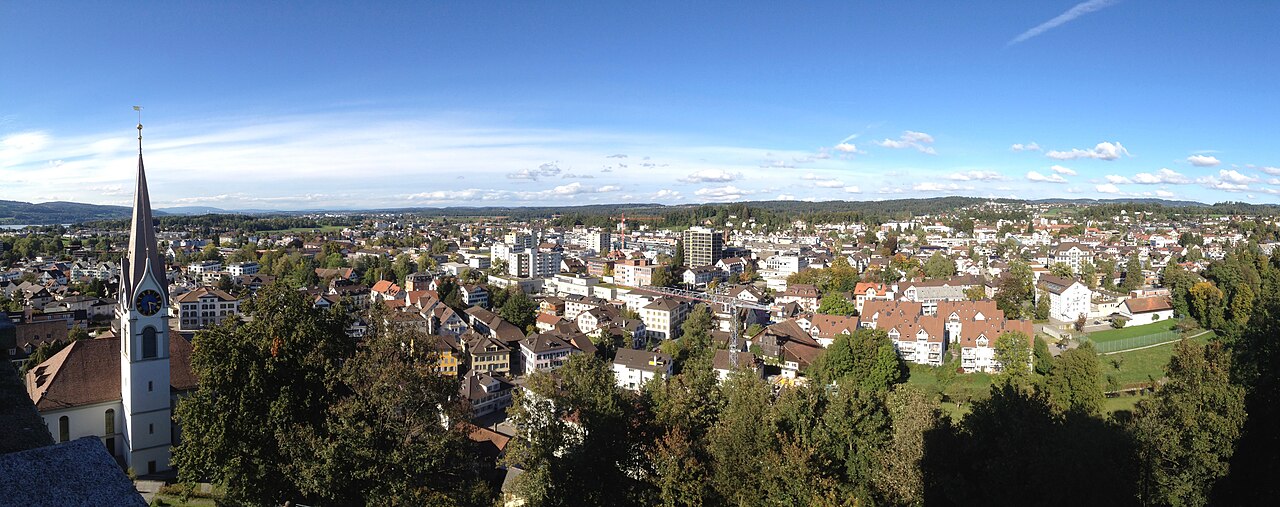
A level crossing in Uster, in the canton of Zurich, was the site of frequent accidents, often involving only material damage. To curb the problem, the municipal police had installed surveillance cameras, in operation from February to October 2025, which automatically fined anyone crossing the tracks despite the flashing lights already being on. The tally, revealed in recent days by the press, comes to 4,400 fines for more than one million francs collected by the municipality.
The cameras have now been switched off. The municipality and the Confederation disagree on the legality of the system.
An approval never sought
Uster says it checked «molti aspetti, anche giuridici» (many aspects, including legal ones) before installation, and considers the system fully legal. The Federal Roads Office takes a different view: a device of this kind may only issue fines if it detects violations «in modo davvero affidabile» (truly reliably) and is approved by the Federal Institute of Metrology. Uster's cameras were never submitted to this verification. For the municipality, the check was not necessary anyway, since it is not a speed camera but an instrument that merely documents an already obvious violation.
The activation timing is also disputed: the camera triggered six seconds after the flashing light came on, a delay considered excessive compared, for instance, to an ordinary traffic light.
The project remains suspended for now. Fines already paid will not be reimbursed. Of those fined, 138 filed an objection: for 69 of them the fine was confirmed by a formal decision; for the other 69 the proceedings were closed for insufficient evidence, after doubts emerged about the system's full compliance. If the legality of the system, still under discussion, were to prove unfounded, these 69 people would also be reimbursed.
In Switzerland, instruments used to issue automatic fines must be approved by the Federal Institute of Metrology, which guarantees the reliability of official measurements; for speed cameras, a periodic verification, usually annual, is also required. The absence of approval can be used as an argument against the reliability of a measurement, and in some cases has led courts to annul the fine. This is precisely the crux of the Uster case: for the municipality, the system merely recorded an already obvious violation; for the federal authorities, it is instead a genuine measuring instrument, subject to the same rules as a radar.
The municipality, meanwhile, retains the revenue already collected from those fined, while the dispute over the system's legality remains open and could, if resolved unfavourably, lead to further reimbursements and costs for municipal coffers.
Comments
There are no comments yet. Yours can be the first voice.