Switzerland Cancer prevention
Swiss study tests personalised colon cancer screening
The PRESENT-CRC study aims to tailor colorectal cancer screening to each person's individual risk level. It covers six cantons and hopes to reach 8,000 participants by the end of the year.
Colorectal cancer is the third most common form of cancer in Switzerland. When caught early, before it spreads to other organs, it can be cured in most cases. Early diagnosis currently relies on two methods: a colonoscopy every ten years, or the FIT test, which checks for occult blood in stool and must be repeated every two years.
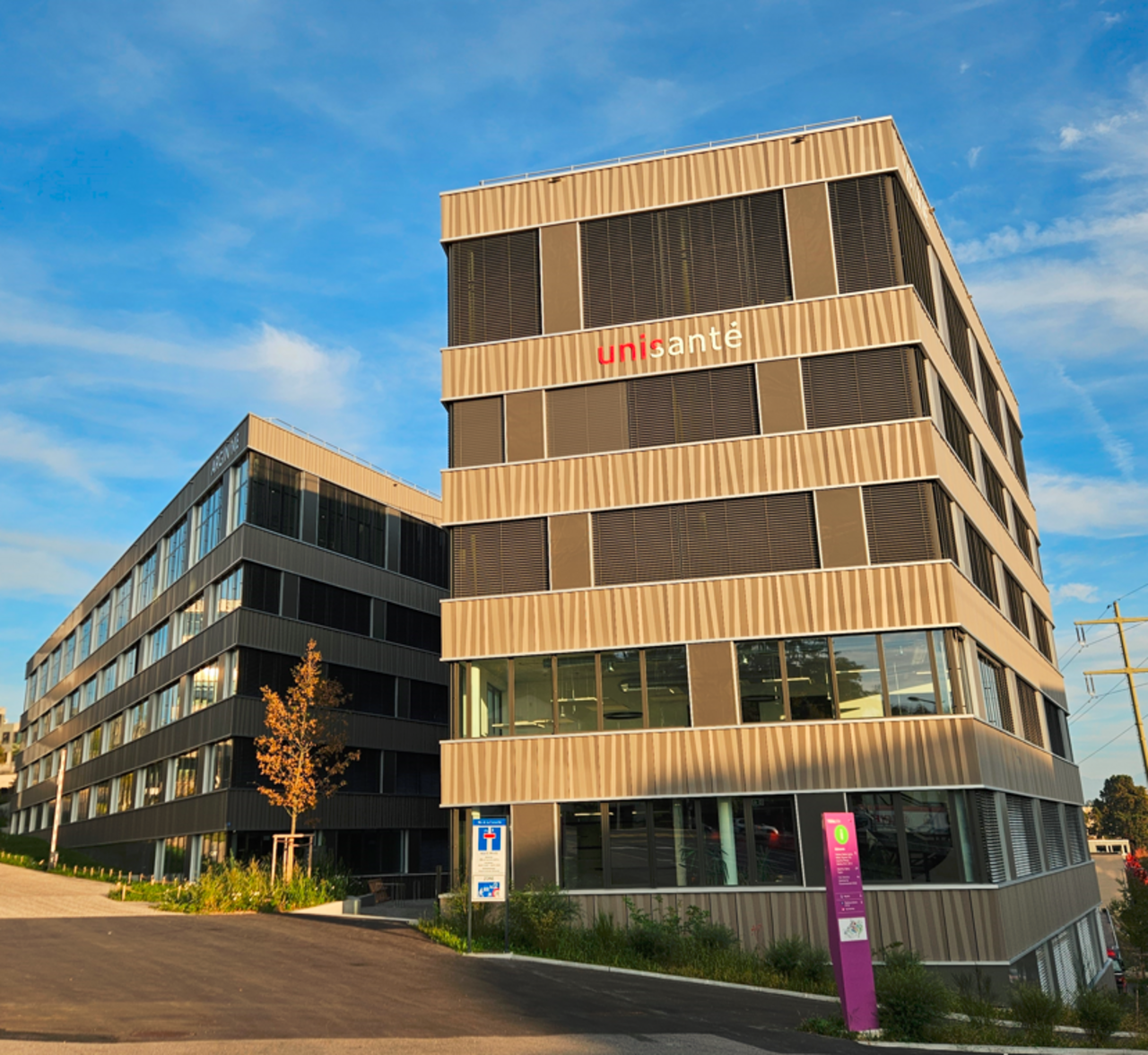
A large clinical study under way in Switzerland, called PRESENT-CRC, aims to change this approach. Coordinated by Unisanté and backed by the Swiss National Science Foundation, the study aims to enrol 8,000 participants across six cantons: Geneva, Vaud, Fribourg, Bern, Basel-Stadt and Basel-Landschaft. The idea is to tailor screening to each person's individual risk level, instead of offering the same checks to the whole population from age 50.
A calculator to guide choices
Each participant's risk level is estimated using a tool that combines around ten factors: age, sex, family history, diabetes, obesity, alcohol consumption and smoking. Kevin Selby, the physician leading the study, explains that many low-risk people still choose to undergo a colonoscopy, "un esame che richiede l'intervento di specialisti e comporta anche un impatto ambientale significativo" (an exam that requires specialists and also carries a significant environmental impact). Directing low-risk people toward the FIT test would free up medical resources for those who really need them.
Selby notes that the tool "non è perfetto e non può escludere completamente il rischio di cancro" (is not perfect and cannot completely rule out the risk of cancer), but it does allow low-risk people to be identified and offered less invasive exams.
The data collected during the study, with participants' consent, will also help refine the risk calculator and answer other research questions. So far 4,800 people have been recruited; the goal is to reach 8,000 by the end of the year. People aged 50 to 75 who have not recently undergone screening can still be contacted by mail or sign up online.
The study currently covers six cantons in French-speaking and German-speaking Switzerland, not Ticino. If the results confirm the value of personalised screening, health authorities will also face the question of how to extend this approach fairly to every region of the country, cutting unnecessary exams without leaving behind those who most need to be checked.
Comments
There are no comments yet. Yours can be the first voice.