Economy US Auto Industry
Trump eases fuel efficiency standards and ends electric vehicle mandate
US President Donald Trump has announced looser fuel efficiency standards for cars, effectively ending the push toward electric vehicles pursued by the Biden administration. According to Trump, the measure will lower prices for new cars and support US industrial production.
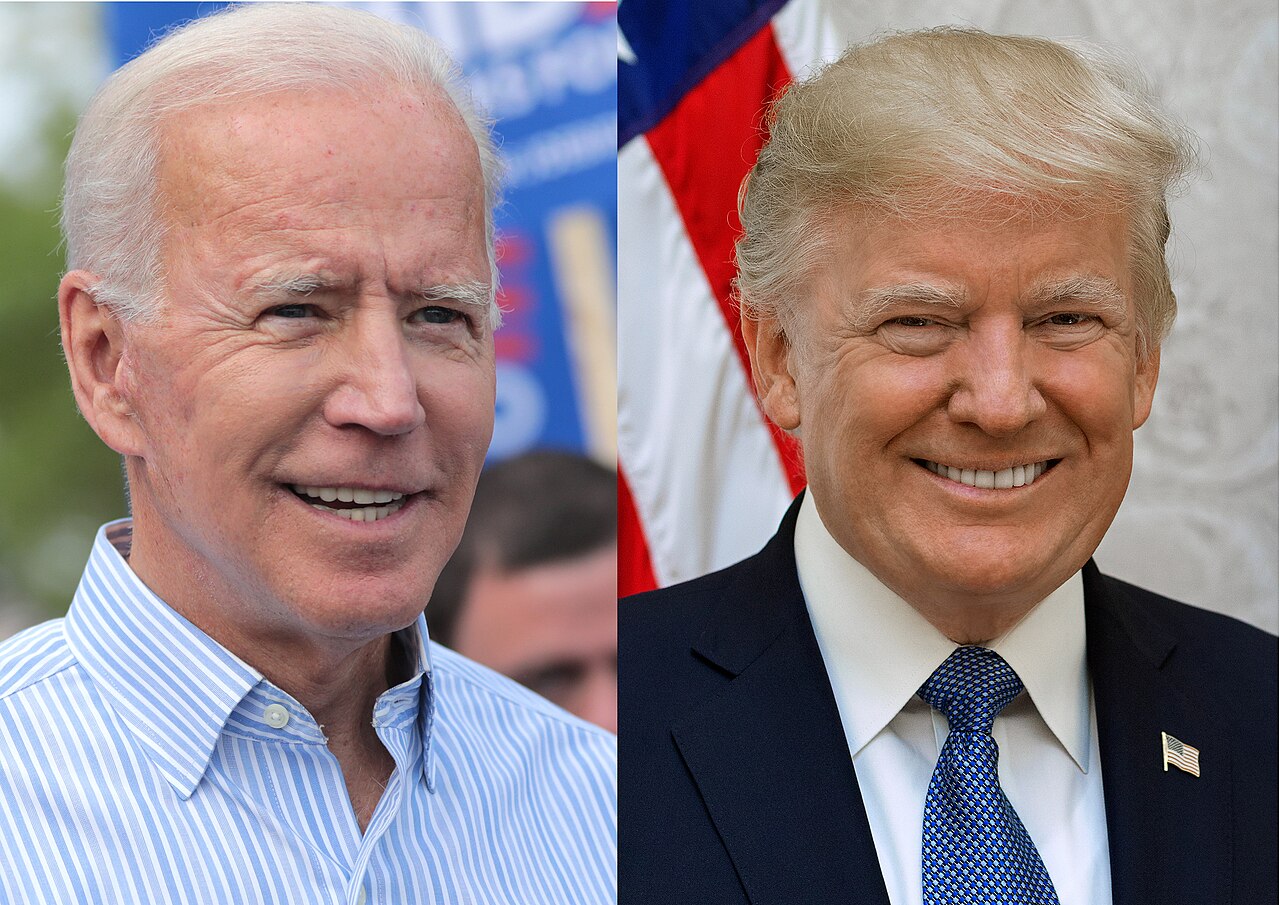
US President Donald Trump announced on Saturday the approval of new, significantly lower fuel efficiency standards for automobiles. The measure ends what Trump called the "ridicolo obbligo di auto elettriche" ("ridiculous electric vehicle mandate") introduced under the previous administration of Joe Biden.
In the United States, automakers must meet a minimum average efficiency level across the fleet of vehicles they sell. Stricter standards push manufacturers to build more efficient gasoline engines and to sell more hybrid and electric vehicles. Under Biden, the government had progressively raised these thresholds to accelerate the adoption of electric vehicles.
Under the revision sought by Trump, the requirements become less strict. On Truth Social, the president wrote that the new standards would "elimineranno gli sprechi nella produzione di automobili in America" ("eliminate waste in car manufacturing in America"), promising savings of "migliaia di dollari" ("thousands of dollars") for families buying a new car.
Investment and jobs
Trump linked the decision to a revival of the domestic auto industry. He said major automakers, from General Motors to Ford to Stellantis, had told him of their wish to produce in the United States, and that the sector had already received over $100 billion in investment under his administration. According to the president, plants are reopening and jobs are returning to states such as Michigan, Ohio, Indiana and South Carolina.
The move reverses the approach of the Biden administration, which had relied on stricter standards to steer the market toward electric vehicles without directly banning combustion engines. By loosening the requirements, Washington gives automakers more room to decide which mix of technologies to produce, based on consumer demand rather than a regulatory target.
It remains to be seen how long the announced effect on new car prices will last, and whether lower regulatory pressure will actually translate into lower compliance costs for manufacturers, or whether other factors, such as import tariffs, will continue to weigh on the domestic market.
Images and video
Comments
There are no comments yet. Yours can be the first voice.