Switzerland Rare diseases
In Geneva they look for new treatments inside old drugs
A laboratory at the University of Geneva has found in zinc a therapy for a genetic disease with no treatment. The method costs a fraction of conventional development.
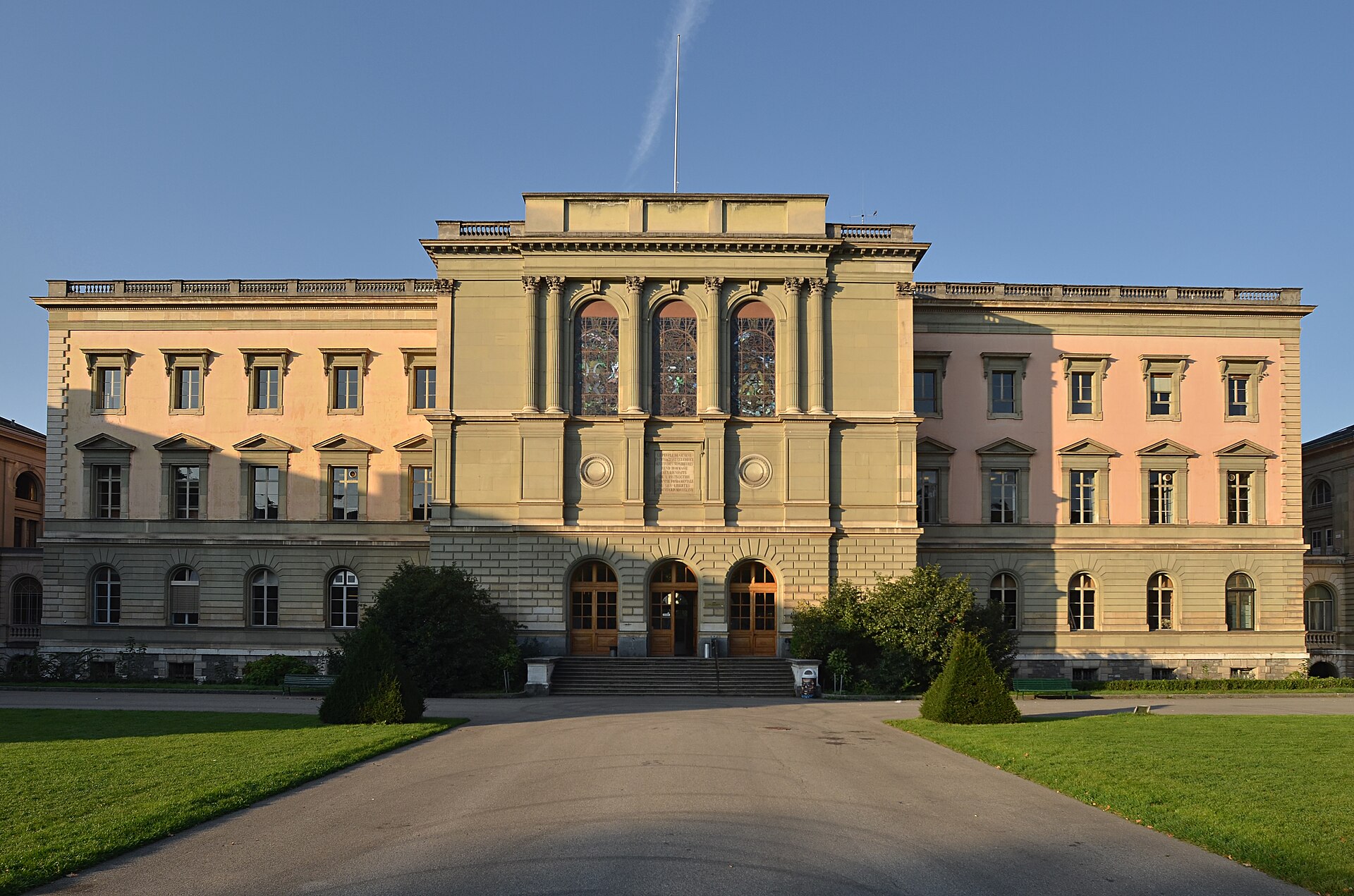
Mutations of the GNAO1 gene affect around four hundred people worldwide. They cause epileptic seizures, developmental delays and motor problems, and no approved treatment exists. The gene encodes a protein called Gαo, which works as a molecular switch: it turns on and off so that neurons are neither too active nor too little.
Vladimir Katanaev's laboratory at the University of Geneva had been studying that protein for almost twenty years when, in 2013, the first mutations were identified. The families of affected children went looking for experts and found him. With around 175,000 francs from foundations and patient associations, the group worked out how the pathogenic mutations shift the position of an amino acid, glutamine 205, blocking the mechanism that should switch the signal off.
At that point the hardest question opened up. Developing a new molecule requires, by current estimates, one to two billion dollars, between 800 million and 1.6 billion francs, and ten years or more. "The investment required was too large, given the extremely small patient population," Katanaev explains. The laboratory therefore changed course and looked for an answer among already approved medicines.
Three thousand candidates, one that works
Using a high-throughput screening platform, the group reviewed some three thousand drugs licensed in the United States to see whether any acted on the Gαo protein. The answer came from zinc: zinc salts, long available and approved in 1997 for Wilson's disease, partly restore the faulty protein's activity. The hypothesis was verified in flies and mice.
Because the therapy was already licensed for another condition, human trials began with doctors at the University Hospital of Cologne. The first patient was a three-year-old boy: shortly after treatment started his seizures decreased and his jerking movements almost disappeared. A year on, his condition is stable. It is not a cure, but the quality of life of the child and his family has changed. The Cologne group is now testing zinc on thirteen further patients, in a trial funded by crowdfunding from the German GNAO1 patient association.
The case illustrates a wider problem. There are around seven thousand rare diseases and only six per cent have an approved treatment, yet together they affect some three hundred million people. A report by the analysis firm Evaluate estimates that the share of drugs in development aimed at these conditions will fall from thirty per cent in 2027 to twenty-two per cent in 2032, as industry concentrates on more widespread illnesses.
Repurposing is faster because safety data already exist, and in some cases it allows phase I studies to be skipped. A clinical trial is still needed, however, to show efficacy against the new disease and to establish dosage: zinc salts sold as food supplements, for instance, contain far lower concentrations than therapeutic doses. Current estimates speak of around 300 million dollars and six to eight years; Katanaev argues that his laboratory's method can bring that down to two or three years and about one million dollars, clinical studies included.
What is missing is the regulatory framework. "A specific regulatory pathway for repurposed drugs would simplify and speed up their approval, but at present it does not exist," notes Claudia Fuchs of EURORDIS Rare Diseases Europe. In 2022 Horizon Europe invested around 22 million francs over five years in the REMEDi4ALL platform, but most of the cost still falls on patient associations. "A great deal is invested in innovative therapies," Fuchs sums up, "but there are no incentives to find new uses for generic drugs."
Comments
There are no comments yet. Yours can be the first voice.