Economy Memory chips
Data centres are absorbing the RAM and prices are rising across the chain
Up to 70% of the world’s RAM ends up in artificial intelligence infrastructure. Apple and Microsoft have already raised their prices, while manufacturers’ new investment goes mostly to servers.
Higher prices and thinner stocks are reaching smartphones, computers, cars and games consoles. Behind it lies the global shortage of memory chips, driven by the expansion of artificial intelligence and of data centres, which absorb up to 70% of the RAM available worldwide. The phenomenon already has a name, RAMaggedon, and nobody expects it to end quickly.
According to Alessandro Piva, director of the Artificial Intelligence Observatory at Milan Polytechnic, this is more the symptom of a deep industrial transformation than a bubble due to deflate soon. It cuts across different sectors, and technological competition now involves entire value chains rather than single components.
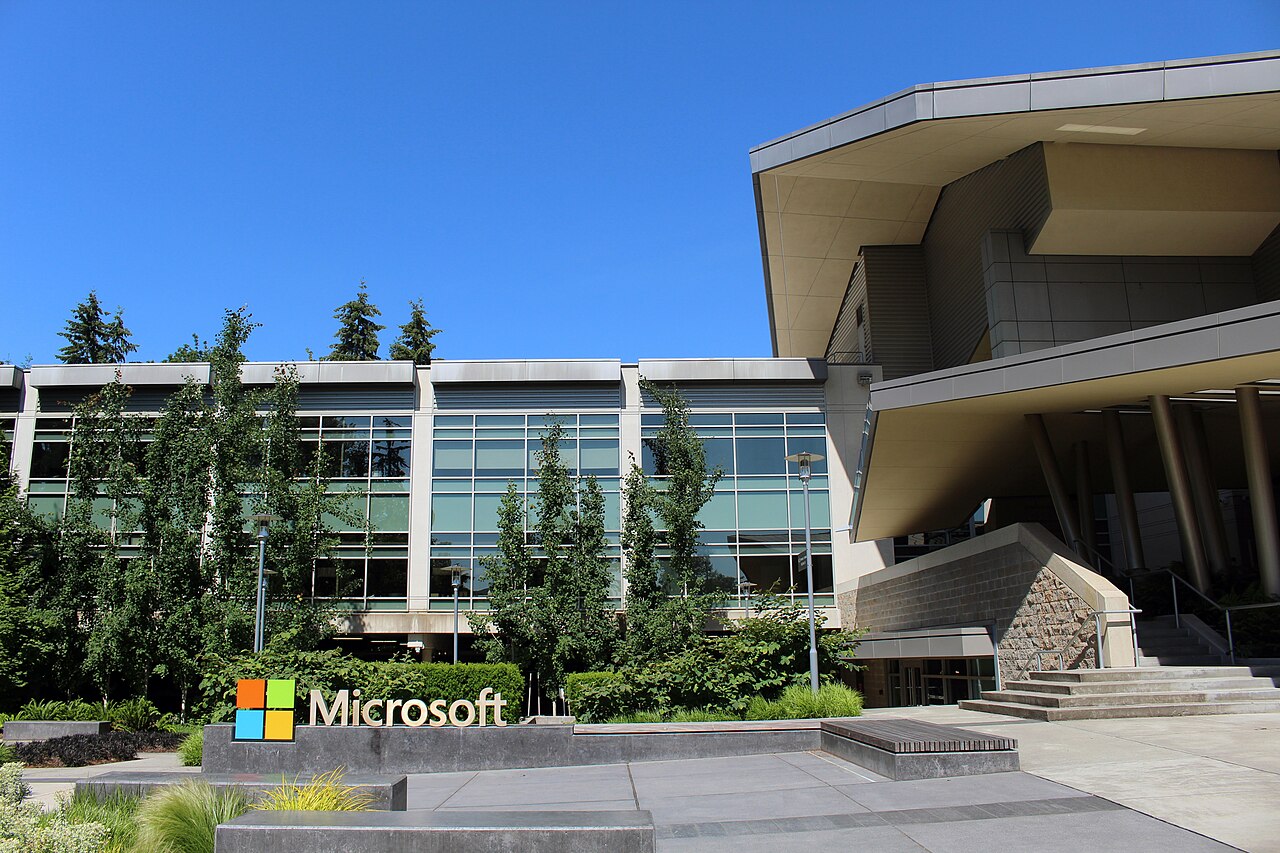
The effects on price lists are already visible. Tim Cook, Apple’s outgoing chief executive, called it a perfect storm. The group has confirmed price increases for Mac computers and iPad tablets, with MacBook Air supplies among the worst affected. Microsoft has raised prices across the whole Xbox console range. According to the analysis firm TechInsights, DRAM and NAND memory prices have quadrupled over the past year, and estimates point to increases above 300% by the third quarter of 2026.
The established manufacturers, Samsung, Micron and SK Hynix, are expanding their plants. The larger share of new investment, however, is going to components for servers and data centres, where demand linked to artificial intelligence is stronger and margins are higher. Meanwhile Chinese manufacturers such as Cxmt are advancing and already supplying large computer companies.
For Piva the strategic point is the geography of production: the most advanced components are made in very few countries, while demand comes from everywhere. The conclusion he draws also concerns Europe. Real technological sovereignty, he notes, requires control of entire industrial ecosystems and not only of software and skills. It remains to be seen who is willing to finance plants that take years and billions before producing their first chip.
Comments
There are no comments yet. Yours can be the first voice.