World Diplomacy
Netanyahu defends Israel and the strike on Iran at the UN
The Israeli prime minister addressed the General Assembly amid applause and protests, defending the offensive against Tehran. Hours earlier, Mahmoud Abbas had called for a unified political future for the Palestinian territories.
Israeli Prime Minister Benjamin Netanyahu addressed the United Nations General Assembly on Thursday in a tense atmosphere. As he stepped up to the podium, dozens of delegates stood up and left the hall, while others applauded. The president of the Assembly, Khalilur Rahman, had to call for order several times. Netanyahu responded by inviting those still in the room, whom he called possible "moral cowards," to leave as well.
The protest had been organized by the Palestinian mission, which had asked delegations to fill the hall and walk out together as the speech began, as a sign of rejection of the Israeli government's conduct in Gaza and the Palestinian territories.
In his speech, Netanyahu focused on the war with Iran, calling the strike on Tehran "one of the easiest decisions" of his political career. He said that by defending itself, Israel had also protected states whose representatives had left the hall during his speech, adding that some of their leaders would thank him privately for the blows dealt to Iran's nuclear program. He thanked US President Donald Trump for his action against Iran and pledged that Israel would keep fighting, saying it had no other choice. As in previous speeches, he displayed an object to illustrate his words: this time a pager, referring to the September 2024 operation in which thousands of devices distributed to Hezbollah members in Lebanon exploded. He also recalled the Hamas-led attack of October 7, 2023, in which about 1,200 people were killed in Israel and 251 taken hostage.
On the West Bank, Netanyahu downplayed settler violence against Palestinians, attributing it to a small group of youths responsible for stone-throwing, arson and damage to olive trees. He said he did not tolerate vigilante justice, but accused foreign leaders and the international press of exaggerating the scale of these episodes. His government rejects accusations of genocide and war crimes in Gaza and defends the legitimacy of the settlements, which are considered illegal under international law.
Abbas's position
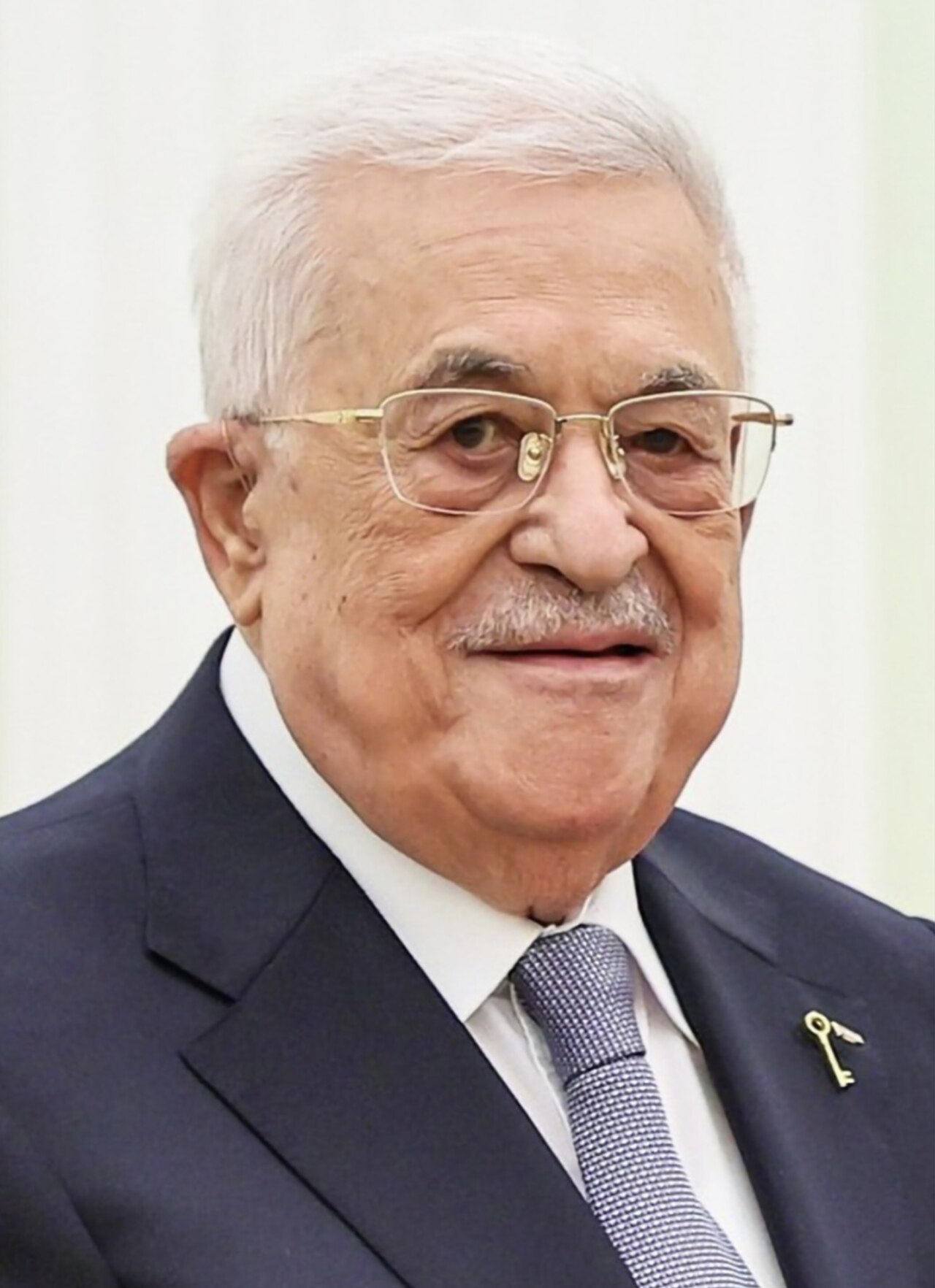
Hours earlier, Palestinian President Mahmoud Abbas had spoken, for the second year in a row, through a message recorded in Ramallah: the United States had denied a visa to him and other senior Palestinian officials. During his address, the seats of the Israeli delegation were empty. Abbas said Palestinians would not leave their homeland and would not accept others deciding their future for them. He called on foreign governments to move beyond statements and act to protect the population of Gaza and the West Bank, asking how long some countries would keep supplying Israel with weapons. He also reiterated his call for a single Palestinian state encompassing Gaza, the West Bank and East Jerusalem, a prospect Netanyahu rules out for the duration of his term.
In New York, protests against Netanyahu's presence also took place during the days of the debate. Actress Susan Sarandon was detained by police along with other demonstrators during a march near UN headquarters. Shortly before the Israeli prime minister's speech, New York Mayor Zohran Mamdani, whom Netanyahu had criticized for supporting Hamas, released a video showing him planting an olive tree at his official residence and having dinner with Palestinian families from Gaza.
Comments
There are no comments yet. Yours can be the first voice.