Switzerland Climate and health
UN expert: Switzerland's heat deaths could have been avoided
At the end of June, exceptional heat caused excess mortality of 340 elderly people. For Eleni Myrivili, the UN's lead official on extreme heat, there is "no excuse": what is needed are neighbourhood networks, less asphalt and extreme-scenario drills like the one in Paris.
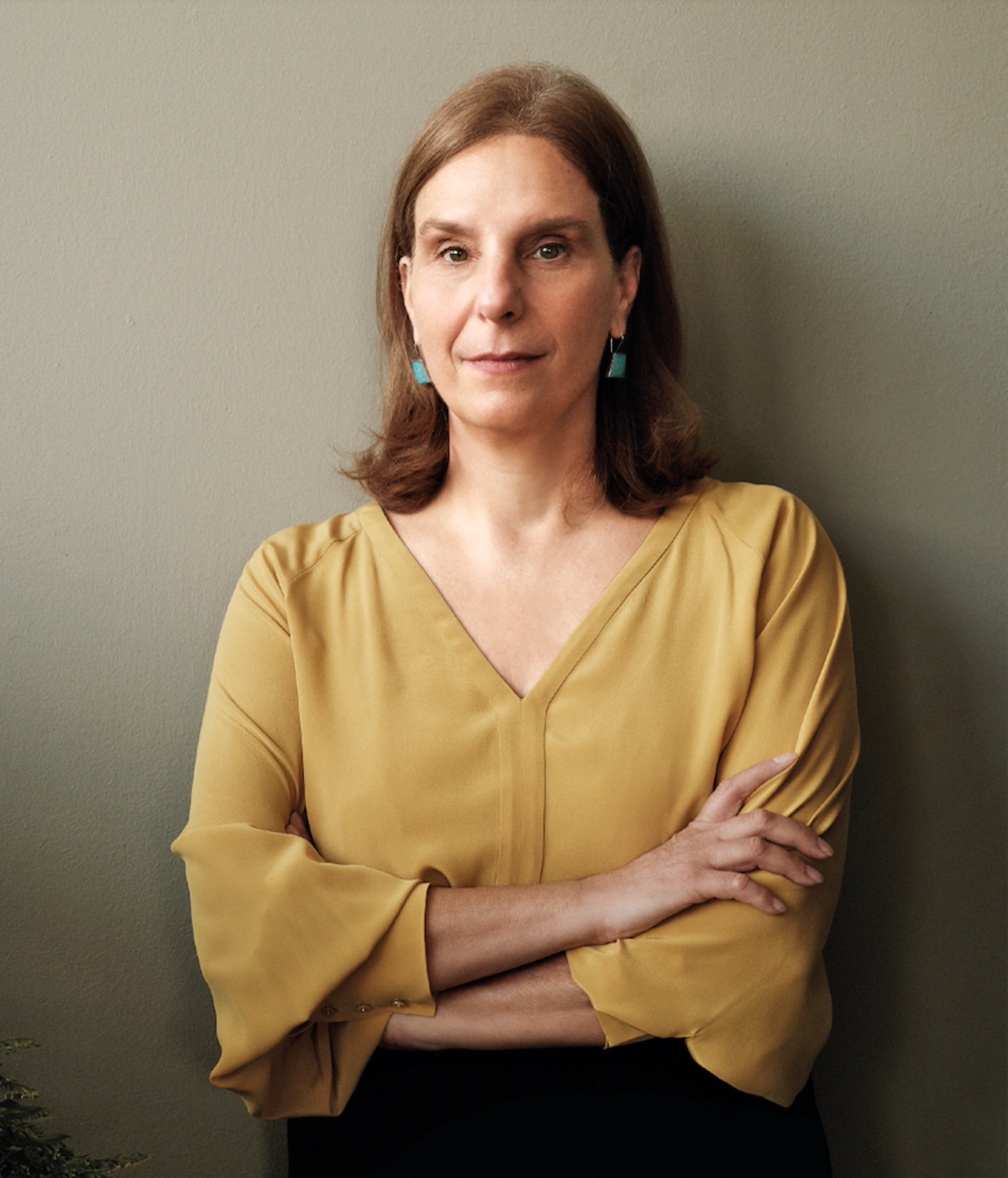
At the end of June, Switzerland recorded excess mortality of 340 elderly people due to exceptional heat. For Eleni Myrivili, the United Nations' top expert on the fight against extreme heat, this was not inevitable. "Queste morti avrebbero potuto essere evitate: non c'è scusa, davvero nessuna" (these deaths could have been avoided: there is no excuse, truly none), she said in an interview published on Saturday by Schweiz am Wochenende.
Myrivili is an anthropologist and previously served as heat officer in Greece. Her analysis starts from one observation: "Il rischio caldo è estremamente poliedrico" (the heat risk is extremely multifaceted). It affects health, energy systems, water supply and food security, but also productivity and therefore gross domestic product. Her verdict on the pace at which countries are adapting is harsh: "Dobbiamo agire molto più rapidamente, finora abbiamo ampiamente fallito" (we must act much faster; so far we have largely failed).
The most urgent issue concerns the elderly, who are known to be hit hardest by heatwaves. For the expert, official warnings alone protect no one. "Non basta avvisare del caldo: bisogna che il messaggio arrivi agli anziani" (warning about the heat is not enough: the message must reach the elderly), especially those who live alone. Networks of people are needed to check on them and take them to cool places.
The Paris drill as a model
Myrivili urges Switzerland to take inspiration from the French capital. Three years ago Paris launched the "Paris at 50 degrees" simulation: energy suppliers, firefighters, health and school specialists and countless other actors met for over a year and a half around one precise question. What would happen if the city recorded 50 degrees for several weeks? The exercise did not stop at theory: the scenarios were tested on the ground in two neighbourhoods, to identify critical points before a real crisis. According to the expert, Switzerland too should confront extreme assumptions, such as consecutive tropical nights and days of up to 45 degrees.
On air conditioners, her position is clear-cut. They consume large amounts of energy and expel heat outdoors, making cities even hotter: for Myrivili they are the symptom of flawed urban planning, a vicious circle. "Non possiamo raffreddarci fuori dalla crisi climatica con i climatizzatori" (we cannot cool ourselves out of the climate crisis with air conditioners), she warns.
The alternative already exists. "Sappiamo benissimo che dobbiamo puntare molto di più su soluzioni basate sulla natura" (we know very well that we must rely much more on nature-based solutions), the expert says. That means planning that favours greenery, shade and the choice of building materials, with sufficiently shaded squares and pedestrian zones and less dependence on concrete and asphalt.
These recommendations are addressed above all to public authorities, from municipalities to cantons. After a summer that has already presented its bill to the most fragile, the question is whether such measures will arrive before the next heatwave.
Comments
There are no comments yet. Yours can be the first voice.