Canton Energy policy
'Mendrisio should say when and how it leaves gas behind'
The Green Liberals of the Mendrisiotto ask the city for a public roadmap. In 2023 the municipality consumed 82 gigawatt hours of natural gas, over 16 per cent of its total energy needs, at a cost of 6.4 million francs a year.
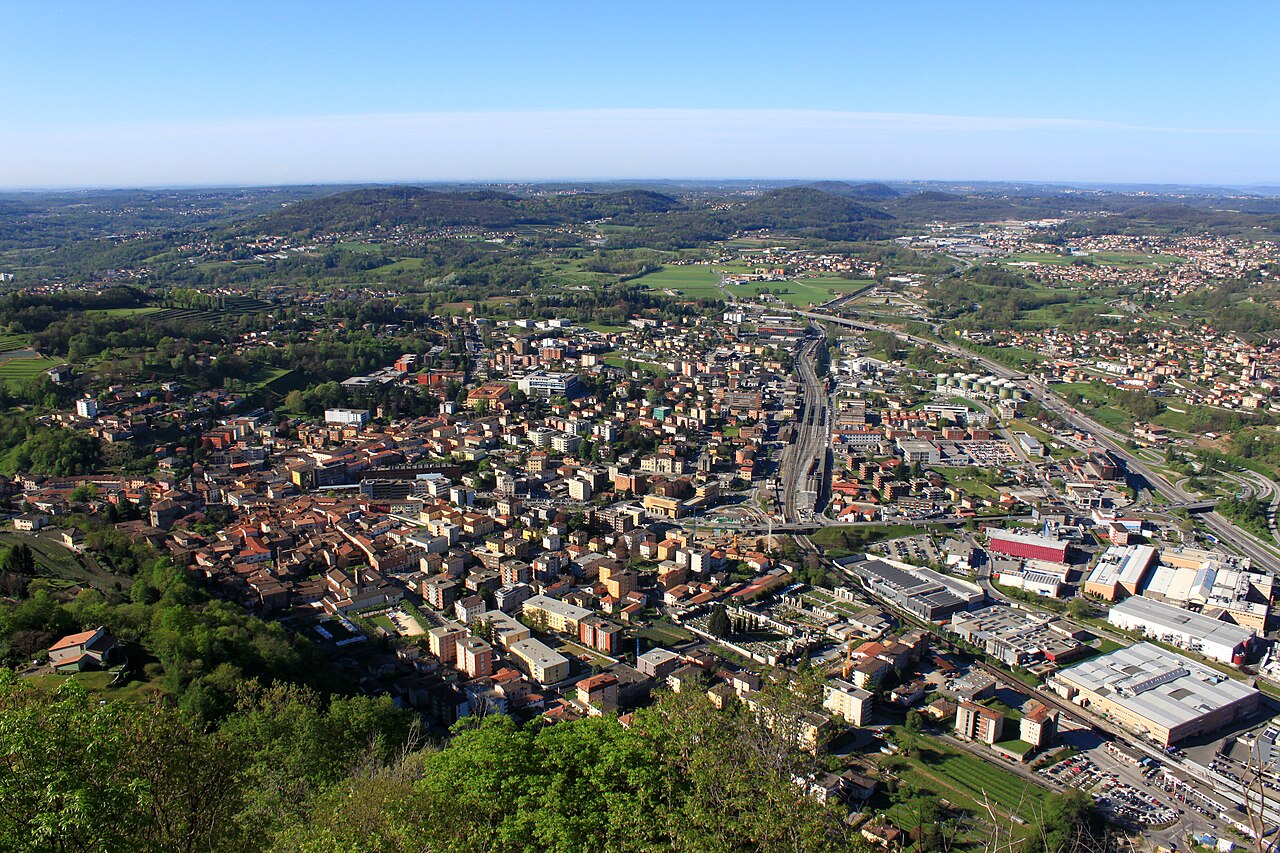
The Green Liberals of the Mendrisiotto are asking Mendrisio to state publicly when and how it intends to move off natural gas. The city has pursued an energy strategy since 2011 and has a regional district heating project in preparation, but according to the request there is no public, comprehensible picture of the gas network's future or of the alternatives available locally.
The figures cited give the scale of the problem. In 2023 the municipality consumed around 82 gigawatt hours of natural gas, more than 16 per cent of total energy demand. The resulting cost to households and businesses is 6.4 million francs a year. The municipal utility Aim operates around thirty-two kilometres of gas infrastructure.
A roadmap, not a ban
The request is not to shut the network down but to publish a path: where district heating is worth extending, where switching to heat pumps makes sense, where other renewable solutions are needed, and on what timescale. The reference cited is the energy plan Lugano adopted recently. The practical reason is that anyone replacing a boiler today is making a twenty-year decision, and without knowing whether their street will be connected to district heating within that period they almost always choose the option already available.
The economic argument the signatories emphasise concerns where the money goes. Gas and oil are imported, and the spending leaves the region; district heating, heat pumps and insulation require design, installation and maintenance, meaning work for local firms and tradespeople. Shifting energy spending from the raw material to the installation means shifting it towards the regional economy.
The question of the thirty-two kilometres of network remains. Infrastructure of that kind carries depreciation costs that customers pay through the tariff: if the number of connections falls, fixed costs are spread across fewer users and the tariff rises, which accelerates further departures. That is why the sequence of exits matters as much as their direction, and why the call for a roadmap also concerns those who will stay connected longest.
Comments
There are no comments yet. Yours can be the first voice.