World Morocco-Spain
Morocco considers suspending its extradition agreement with Spain
Justice Minister Ouahbi complains of handovers that never happen. In the background are the death penalty, still on the Moroccan statute book, and the question of minors in Ceuta.

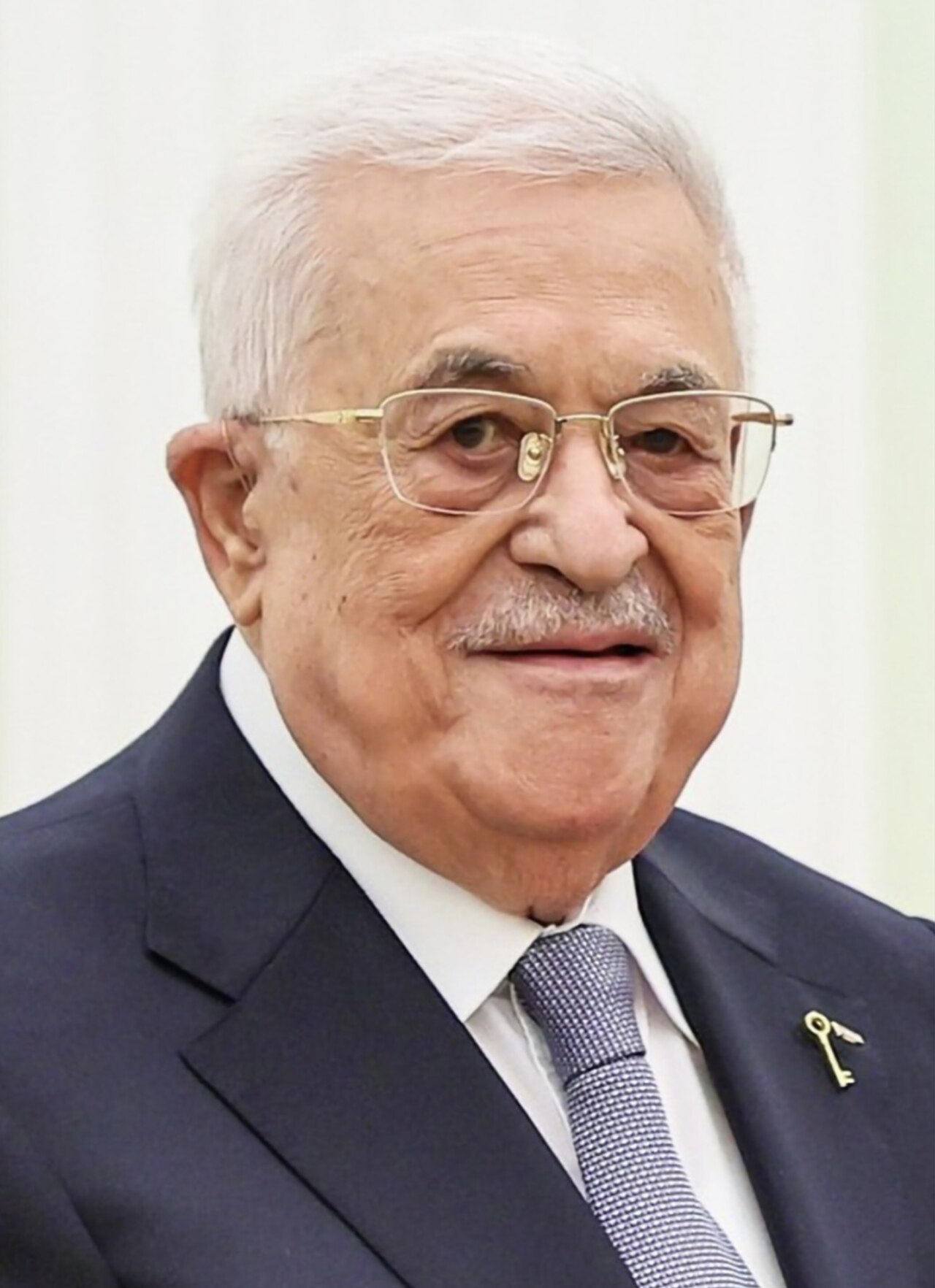
Morocco's justice minister, Abdellatif Ouahbi, has said his department is considering suspending the bilateral extradition agreement with Spain. He made the remarks to the Spanish news agency Efe.
The reason he gives concerns certain Moroccan requests whose procedures have not, he says, been completed by the Spanish side. According to Ouahbi the mechanism jams halfway through. The wanted person is arrested in Spain and their identity is established. A date is then set for handover to the Moroccan authorities. But when Rabat sends its own officers to take custody, the procedure stalls and the handover does not take place.
Hence the idea of suspending a text judged to be useless. Extraditions between the two countries are governed by a bilateral convention signed in Rabat on 24 June 2009 and in force since 1 September 2012. Under certain conditions the agreement provides for the mutual surrender of people wanted or convicted by the courts of one state when they are on the territory of the other, but it excludes the extradition of a state's own nationals.
The death penalty knot
Part of the difficulty stems from differences between the two legal systems. In Morocco the death penalty is still provided for in the criminal code and is handed down, although it has not been carried out since 1993 under a moratorium. In Spain it was abolished in 1978, with the democratic constitution adopted after the end of Francisco Franco's dictatorship. The mere possibility that a wanted person might fall under an offence punishable by death is enough to block extradition.
The issue adds to tensions over the Moroccan minors in Ceuta, whose repatriation Rabat has requested. Ouahbi described that matter as "extremely complex and highly politicised" and argued that some files involving Morocco are no longer handled purely on legal and administrative grounds, because political and electoral considerations also come into play.
The warning comes as the two governments work to prevent a new wave of arrivals towards Ceuta and Melilla, the two Spanish enclaves on North African territory. Cooperation between Rabat and Madrid on border control is one of the pillars on which the European Union's migration policy in the western Mediterranean also rests.
Comments
There are no comments yet. Yours can be the first voice.