Economy Financial centre
Lex UBS: Council of States committee buys time until 31 August
The committee has entered into the Federal Council's bill but postponed the decision on covering foreign holdings. It is studying a variant that also draws on AT1 capital.
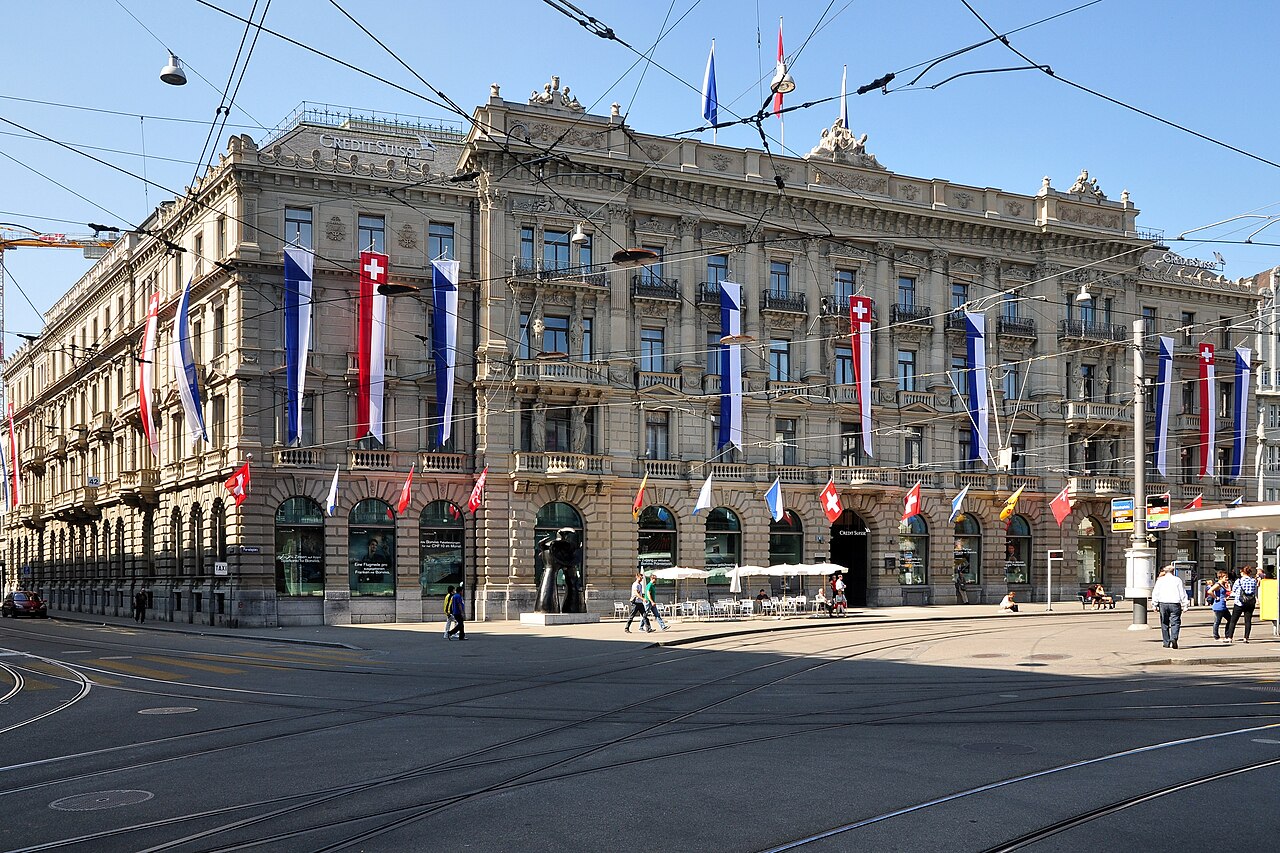
The Council of States' Committee for Economic Affairs and Taxation has postponed its decision on the most contested point of the banking reform: how much own capital systemically important banks must hold against their holdings abroad. In practice the provision concerns a single institution, UBS, and it is the one public debate has renamed Lex UBS.
The committee entered into the Federal Council's bill unanimously, so it does not dispute that something must be done. After the collapse of Credit Suisse, it writes, the capital cover for systemic institutions' foreign holdings must be strengthened. The disagreement is about how, and the committee says it needs more time to find a balance between the legitimate need for public safety and the equally legitimate competitiveness of the financial centre.
The wording is not a formality. Deducting foreign holdings in full from core capital is the simplest instrument to write into a law, but it is also the one that weighs most on the bank's balance sheet and, by extension, on its ability to compete with institutions under different rules. Shareholders pay the bill, yet a badly calibrated requirement ends up moving business out of the country without reducing the risk the state covers.
Alongside the government's proposal, the committee is therefore weighing a variant: deducting foreign holdings in full while drawing not only on primary capital, CET1, but also on additional capital in the form of AT1 instruments. The condition attached is that those instruments must be able to provide stabilising support in good time, meaning that they actually work when they are needed. That is exactly the point on which the Credit Suisse crisis left doubts.
Before deciding, the committee is awaiting a report from the competent authorities and the Federal Office of Justice on the proposed wordings. Work resumes on 31 August, when the committee will also examine the dispatch on amending the Banking Act with regard to the Public Liquidity Backstop, the state liquidity guarantee.
The stated aim is to put both items to the Council of States as soon as the autumn session. What remains to be clarified is the actual cost of the different variants for the bank and for taxpayers, and which of the two really lowers the chance that the Confederation has to step in a third time.
Comments
There are no comments yet. Yours can be the first voice.