Canton Wage parity
Wage parity in the public sector remains largely on paper
The charter on wage parity in the public sector turns ten: more than thirty Ticino municipalities have signed it, but the pay gap in the public sector still stood at 847 francs in 2024.
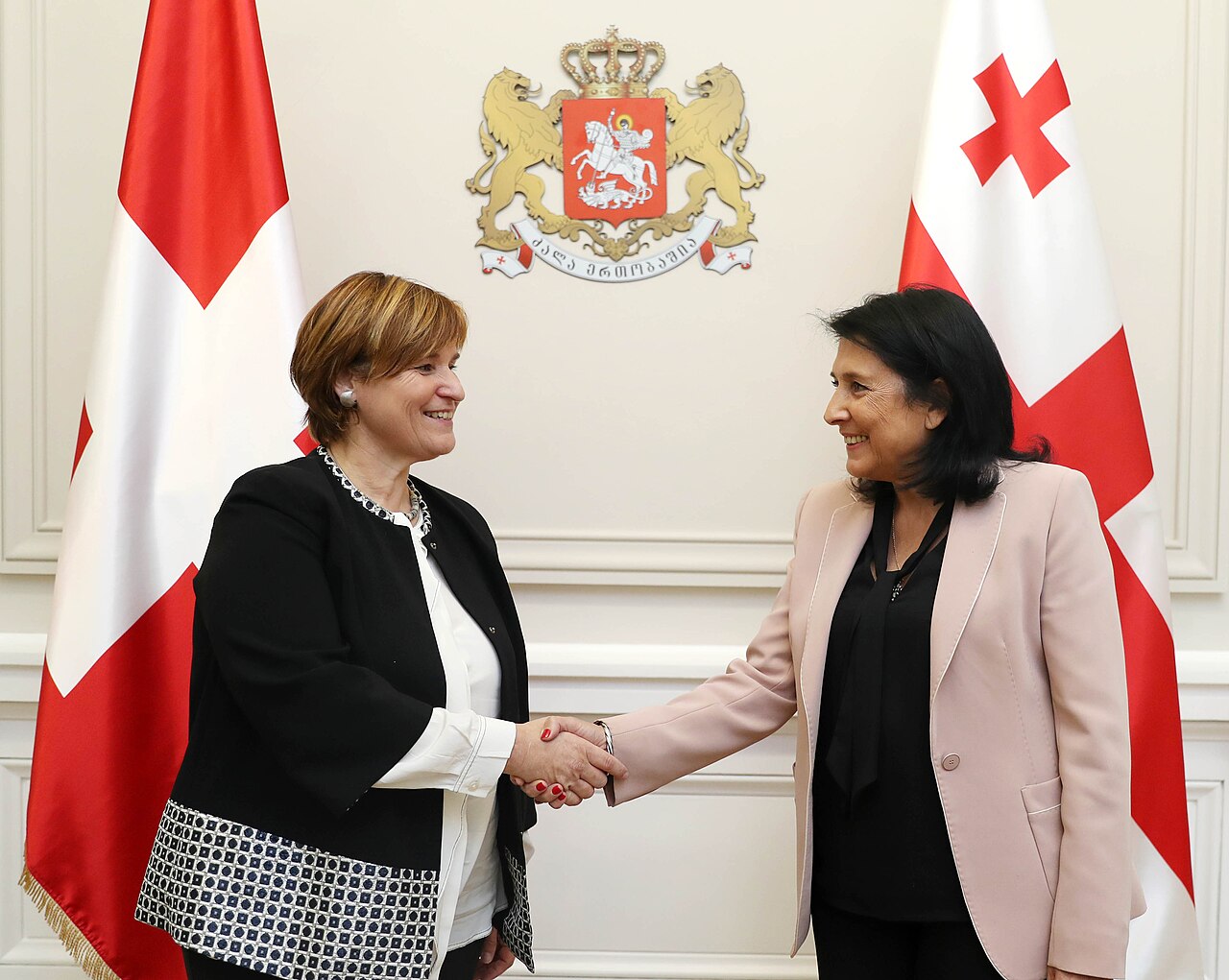
In 2016 the Federal Council launched the Charter for wage parity in the public sector, five articles that restate a principle enshrined in the Constitution: equal pay for work of equal value. For Ticino, the signature bears the date of the canton's then government president, Manuele Bertoli. Ten years on, the record remains mixed.
Across Switzerland, 175 cantons, municipalities, associations and semi-public companies have signed the charter. In Ticino, the cantonal government's request to sign it persuaded more than thirty municipalities, a number that the cantonal delegate for equal opportunities, Rachele Santoro, calls surprising. But signing, she says, is only a first step: the next is to check how each institution intends to put its commitments into practice, starting with a review of its own pay practices.
The starting point offers little reassurance. In 2024, the pay gap between men and women in Ticino's public sector still stood at 847 francs. According to Santoro, having the same pay scales for everyone is not enough: inequality also stems from working conditions that fail to guarantee equal access to management positions and career progression.
The example of Locarno
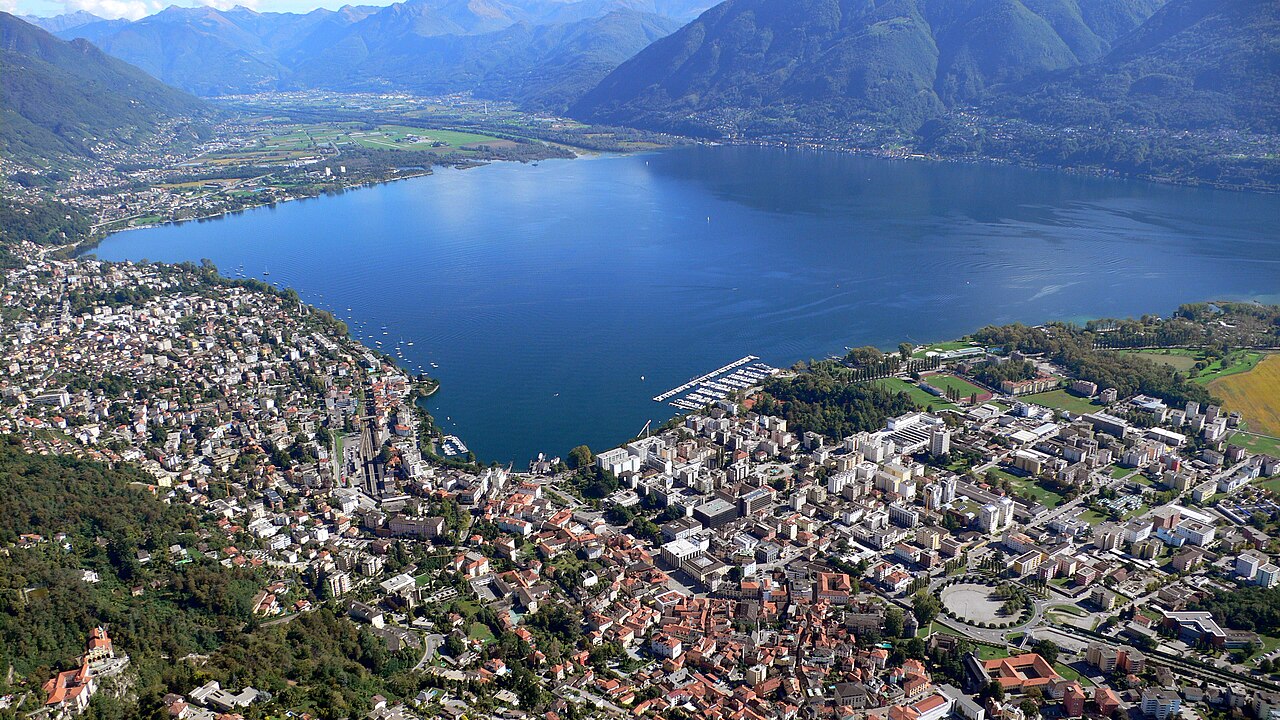
Among the signatory municipalities is Locarno, which in recent years has expanded measures to balance work and family life: leave, flexibility, part-time work, job sharing. Mayor Nicola Pini explains that the goal concerns both women and men who want to build a family without giving up their career.
Locarno employs 423 people, more than half of them women, and spends 199 francs per capita on work-family balance. The municipality was among the first to open a municipal daycare centre, which today has around 80 places: a study carried out ahead of a merger with other municipalities in the area found that around 60% of daycare places in the region are located in Locarno. Of the 4.2 million francs spent each year across the region on work-family balance, more than 3.2 million comes from the city's own coffers.
It remains to be seen whether investments concentrated in a single municipality will be enough to narrow a gap affecting the entire cantonal public sector, and whether administrations that signed the charter without Locarno's resources will manage to guarantee the same career opportunities to their female employees.
Comments
There are no comments yet. Yours can be the first voice.