Switzerland Military offsets
ETH Zurich to receive IBM quantum computer as F-35 offset
ETH Zurich will receive an IBM quantum computer financed by Lockheed Martin as part of the offset deals linked to the purchase of F-35 fighter jets. The machine is due to be installed by year's end at the computing centre in Lugano, while the figures behind the deal remain undisclosed.
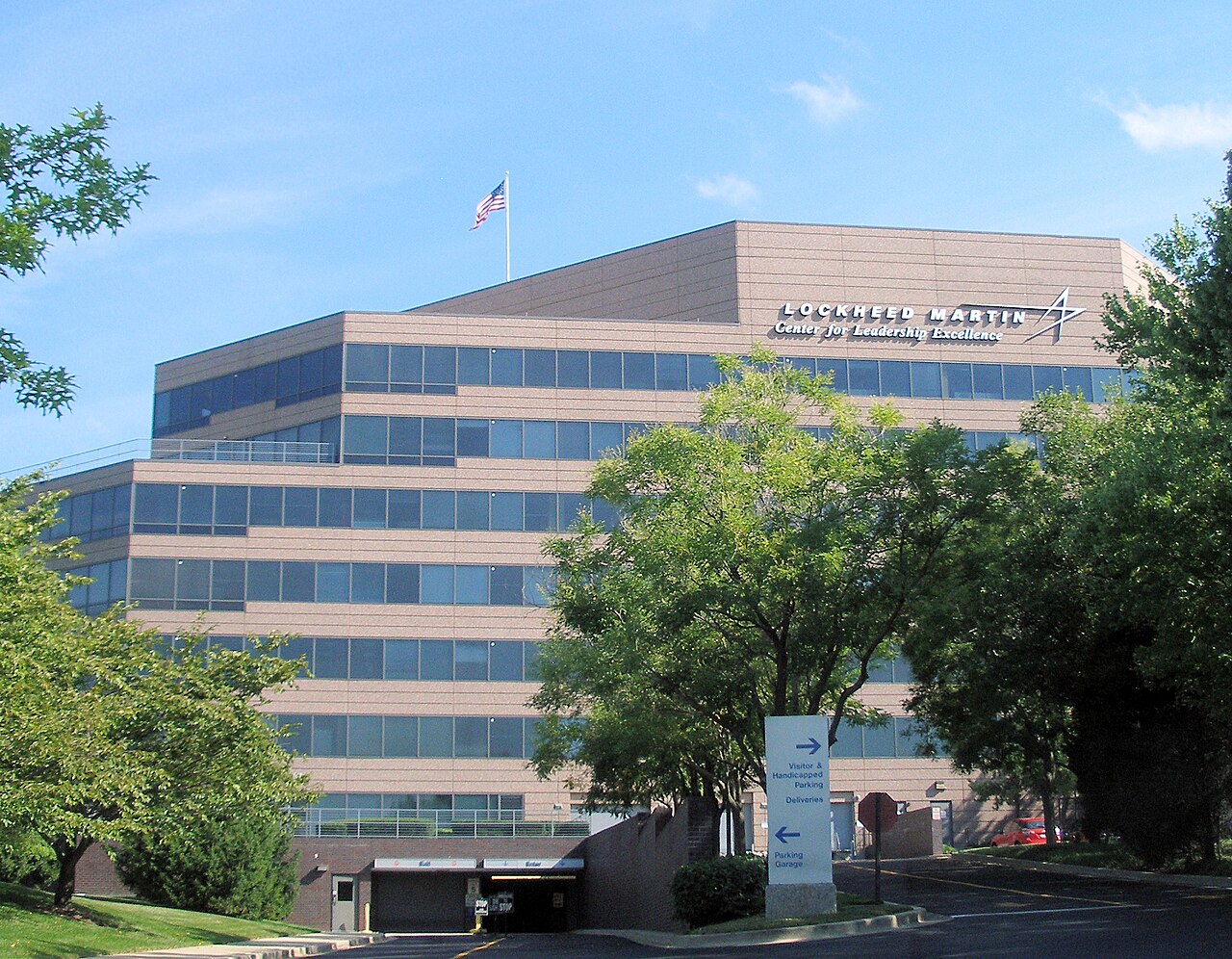
The Swiss Federal Institute of Technology in Zurich (ETH Zurich) will receive a quantum computer built by the US company IBM. The deal is part of the industrial offset agreements linked to the purchase of F-35 fighter jets: IBM supplies the hardware, while the jets' manufacturer, Lockheed Martin, finances the project and counts it toward the business it committed to generating in Switzerland under the sales contract.
ETH spokesperson Markus Gross states: « L'ETH e la Svizzera avranno accesso a una delle infrastrutture quantistiche più avanzate al mondo » (ETH and Switzerland will have access to one of the most advanced quantum infrastructures in the world). The computer is expected to enter service by the end of the year at the Swiss National Supercomputing Centre (CSCS) in Lugano, where the national supercomputer is already located — a boost for Ticino's scientific hub.
Unlike traditional computers, which use bits valued at 0 or 1, quantum computers rely on qubits, which can exist in multiple states at once thanks to the properties of quantum physics. The technology promises to one day solve problems that are currently too complex and to challenge today's encryption systems, but it remains at an early stage: available machines are still small and error-prone.
The armed forces, too, are watching the project with interest. Armasuisse, which approved the deal as an offset, says it will strengthen Swiss expertise in quantum computing and notes: « Anche Armasuisse e l'esercito potranno trarne vantaggio nel medio e lungo termine, ad esempio nei settori della cibersicurezza e della crittografia » (Armasuisse and the armed forces will also benefit in the medium and long term, for instance in cybersecurity and cryptography). The ETH spokesperson, however, rules out any direct military use: « È esplicitamente escluso che questo computer venga utilizzato per la ricerca in ambito militare » (It is explicitly excluded that this computer will be used for military research). Only basic research will be allowed on the system. Lockheed Martin, for its part, will also use the collaboration with IBM to develop a new navigation technology based on quantum systems.
A less than transparent bill for taxpayers
Neither IBM, nor Lockheed Martin, nor Armasuisse disclose the figures behind the deal. For Thomas Friedli, an economist at the University of St. Gallen who studies this type of agreement, the lack of transparency is far from unusual. Offset deals follow particular accounting rules: Lockheed Martin committed to generating business in Switzerland worth at least 60% of the F-35 purchase contract, around 3 billion dollars according to Armasuisse. For projects deemed strategic, however, the federal office applies a multiplier of up to three, meaning a one-dollar investment can be counted as up to three dollars of offset.
According to Armasuisse's estimates, this mechanism raises the overall cost of the F-35 purchase by around 700 to 800 million francs. Some of these funds also go to projects with no direct link to military aviation, such as research into nanotechnology or synthetic aviation fuels, alongside ETH's quantum computer. Friedli nonetheless believes Switzerland has an interest in taking part in such agreements, since they channel resources toward research that can also be relevant to national security: « Rafforzare queste competenze in Svizzera può in seguito generare ricadute sull'industria e moltiplicare gli effetti degli investimenti » (Building up these skills in Switzerland can subsequently spill over into industry and multiply the impact of the investments).
Comments
There are no comments yet. Yours can be the first voice.