Economy Artificial intelligence
«Europe has 5% of the world's computing capacity»
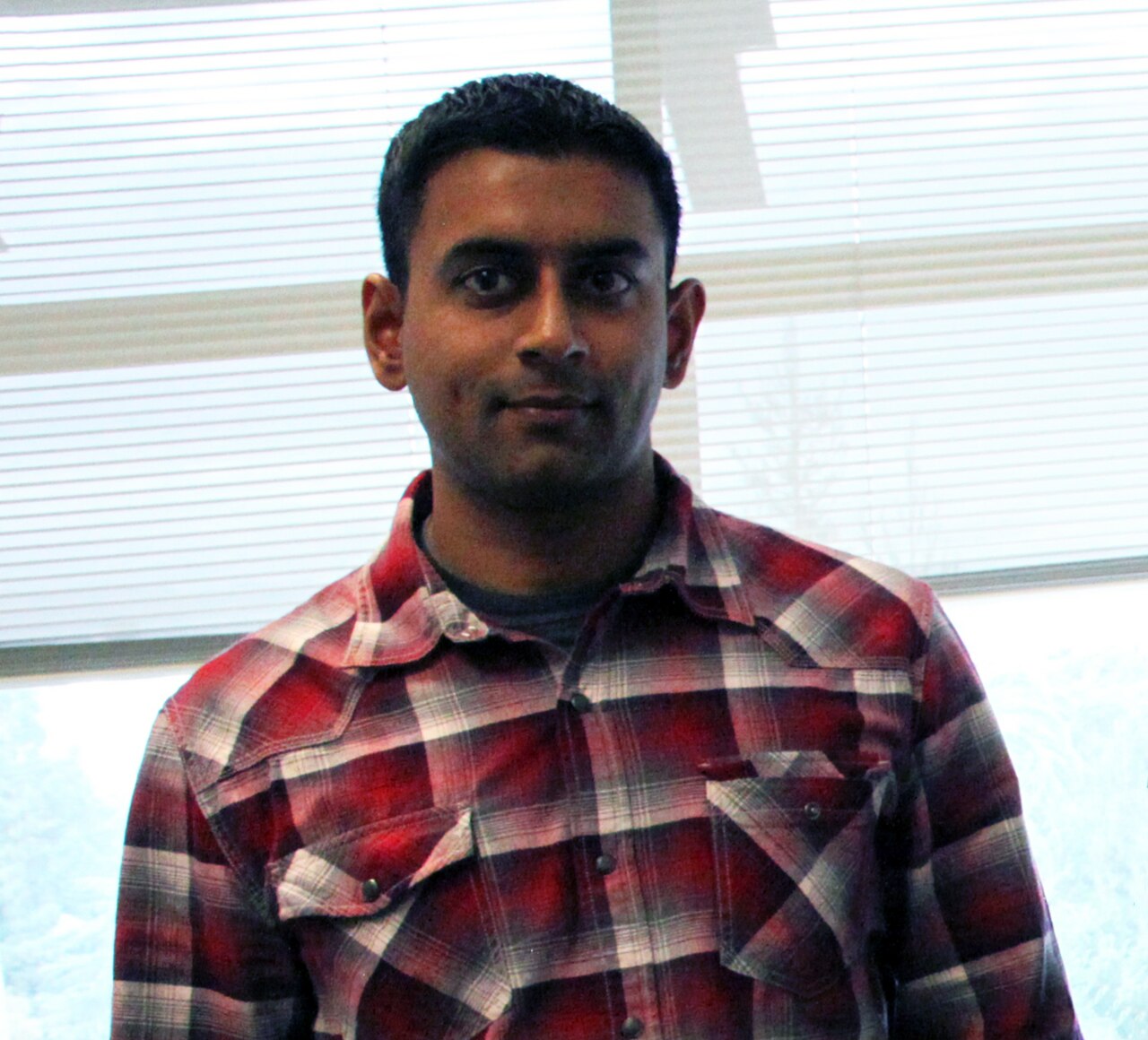
Investor Judith Dada warns in the NZZ that the continent depends on the United States for models and computing power. Closing the gap would take more than 50 gigawatts.
On the technology front Europe depends on the United States in two decisive areas: artificial intelligence models and computing power. That is the argument of Judith Dada, a venture capital investor well known on the European scene, in an interview published by the Neue Zürcher Zeitung.
«Europe greatly underestimates the seriousness of the situation», she says. Dada is among the authors of «Europe 2031», a narrative published this year that imagines how the continent could become technically and economically irrelevant by that date if it fails to handle the rise of artificial intelligence.
Her criticism also covers how the subject has been received. «We have always found excuses not to take developments in AI seriously», she says. «We said: but they all talk nonsense, they hold questionable political views, they only want to get rich. Or we dismissed the whole thing as a passing fad.»
The crux is infrastructure
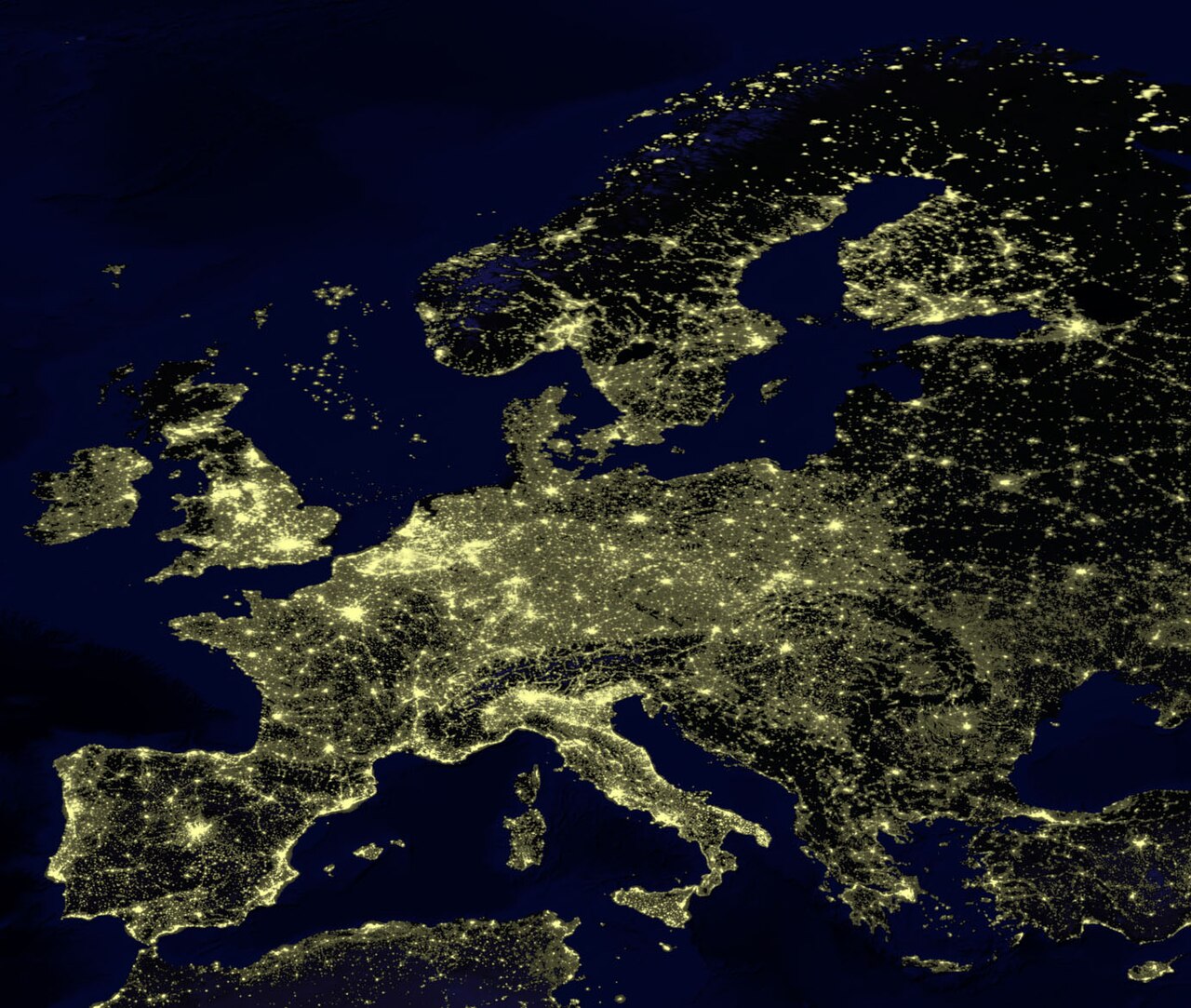
The figures she cites are blunt. «Today we have barely around 5% of the world's computing capacity», while «the US reaches about 75 to 80%». What follows is what she calls a double dependence, on American models and on American computing power. «Even if we developed a model in Europe, we would not have enough data centres to run it.»
The target she names is 15% of global capacity, which would require more than 50 gigawatts against today's two. The routes she proposes are deregulation and special economic zones, along with persuading the United States to build its new computing centres in Europe. «OpenAI, Anthropic or SpaceXAI are already buying up all the chips and computing capacity needed for the future», she notes. There is room to manoeuvre, though: «The US does not control the entire supply chain», and she cites ASML and Zeiss among Europe's strengths.
On the risk of an AI bubble her position is clear. «I see a revolutionary technology. We are still at the dawn of this market.» She concedes inefficient spending and room for improvement, but asks to be shown an emerging market where that was not the case. «Does that mean AI is a bubble? No.»
Her conclusion is an indictment of European passivity, framed through the protagonist of «Europe 2031», a French official working in Brussels. «Even today too much energy goes into detesting Elon Musk, Donald Trump or the Americans. But while we do that, they are building the future.» And she adds: «Today I could not say who in Europe actually takes on that responsibility.»
Comments
There are no comments yet. Yours can be the first voice.