Canton Alpine glaciers
Basòdino glacier may vanish within twenty years
The glacier in the upper Maggia Valley is breaking apart amid exceptional melting. Glaciologist Matthias Huss says it could disappear completely within ten to twenty years.
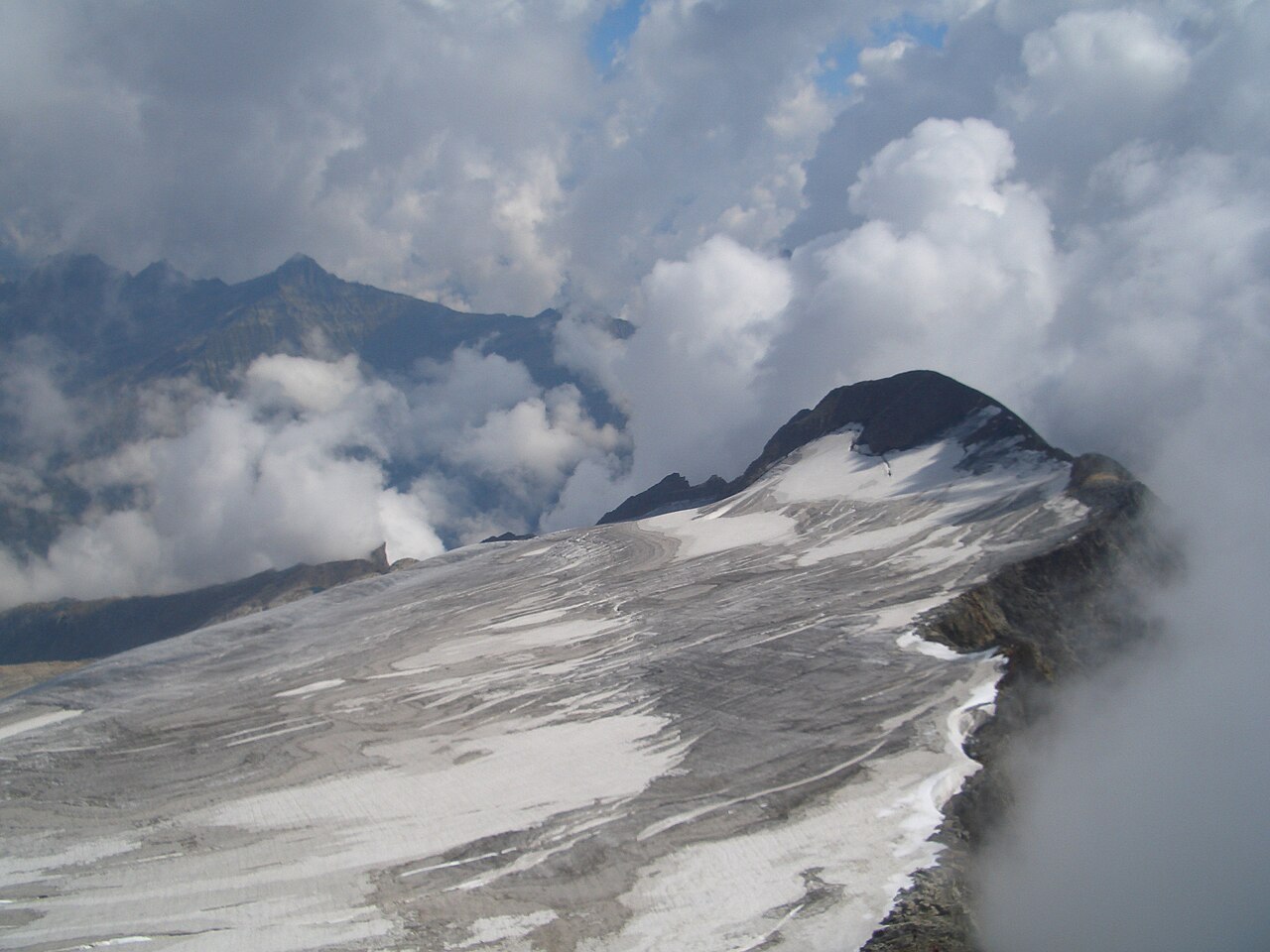
The Basòdino glacier, in the upper Maggia Valley, is losing ice at a rate that glaciologist Matthias Huss calls hard to believe. This year the ice thickness has shrunk by four metres.
More and more rocky islands are emerging on the glacier's surface. The rocks heat up in the sun and transfer warmth to the surrounding ice, further speeding up the melt: a vicious circle that is difficult to stop.
According to Huss, the ice is now so thin that the Basòdino could disappear completely within ten to twenty years.
The southern Alps are suffering more
Ticino also endured a winter poor in snow. South of the Alps, glaciers have suffered more than elsewhere, because precipitation last winter was below average. The situation is somewhat better in the Bernese Oberland, where snowfall was higher. But, the glaciologist notes, the situation remains dramatic everywhere: in 2026 all Swiss glaciers retreated significantly.
This year several dozen glaciers have probably disappeared in Switzerland. Official data will come with the next national inventory, but for two cases the evidence is already there: the Bella Tola and the Gries, both in the canton of Valais. A glacier is considered to have disappeared when its surface shrinks below one hectare, smaller than a football pitch.
Over the past five years the rate of melting has doubled compared with every previous five-year period since measurements began more than a century ago. Many glaciers, like the Basòdino, are fragmenting instead of retreating to higher altitudes.
If global warming were contained, around 10% of the current ice volume would remain by 2100, all of it above 4,000 metres, an altitude the Basòdino does not reach. Without a reduction in CO2 emissions, there will be no more ice in Switzerland in seventy years.
What the disappearance of an element that has been part of the alpine landscape for generations will mean for the upper Maggia Valley remains an open question.
Comments
There are no comments yet. Yours can be the first voice.