Canton News
Geologist from Ticino killed in the Central African Republic
The man was abducted and then killed on Thursday near the village of Gbango-Carrière, north of Bangui. Central African prosecutors confirmed his identity on Monday and opened an investigation.
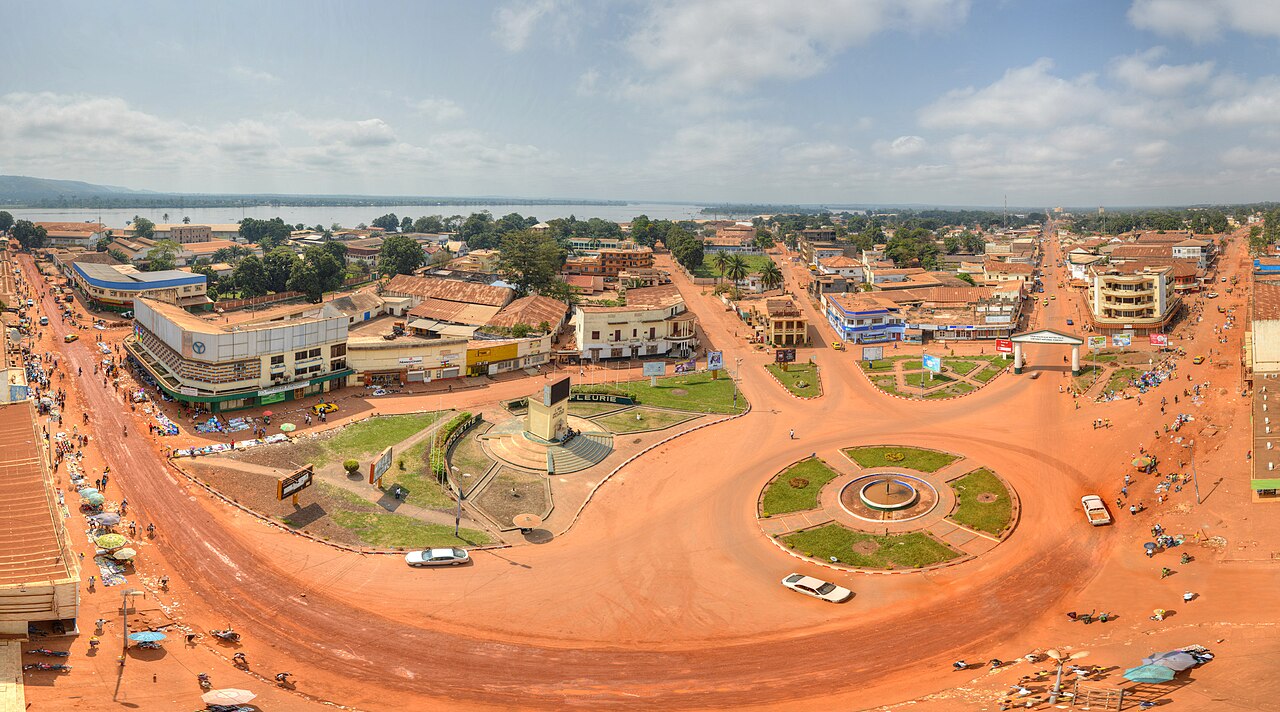
The geologist killed on Thursday in the Central African Republic was from Ticino. His identity was confirmed on Monday by the local prosecutor's office.
The attack took place near the village of Gbango-Carrière, 55 kilometres north of the capital Bangui. In the evening unidentified men abducted the geologist together with a local miner. Both were then killed. During the attack a sergeant major in the Central African army was also seized.
A colleague reported that the geologist was leaving the site when he fell into the hands of the attackers.
Twenty years in mineral exploration
The man had worked for twenty years in mineral resource exploration in different parts of the world. In Brazil he had contributed to the discovery of a major gold deposit. He then worked in Angola, Ivory Coast, Mali and South Africa.
Over the past year he headed exploration for a company based in the United Arab Emirates, active in gold extraction and the search for mineral resources.
Central African prosecutors have opened an investigation. No armed group in the region has claimed the attack, and the reasons behind it are not yet clear. Confirmation of the identity came four days after the assault. The authorities have not said what became of the non-commissioned officer taken during the attack.
The area north of Bangui hosts both artisanal and industrial mining. The uncertainty over the motive leaves several explanations open, from abduction for ransom to a dispute linked to mining activity.
Mineral exploration involves long stays at isolated sites, often far from towns and security posts. In this case the place of the attack lies a few dozen kilometres from the capital.
For Ticino this means the death of a professional working in a sector that often takes Swiss technicians into unstable regions. The information available at present comes from the Central African authorities.
Comments
There are no comments yet. Yours can be the first voice.