World Air traffic
The United States hands a start-up the redesign of its airspace
The federal aviation authority awards 875 million dollars to Air Space Intelligence to build Smart, the system meant to foresee congestion before it forms. The same technology has been running at Alaska Airlines since 2021.
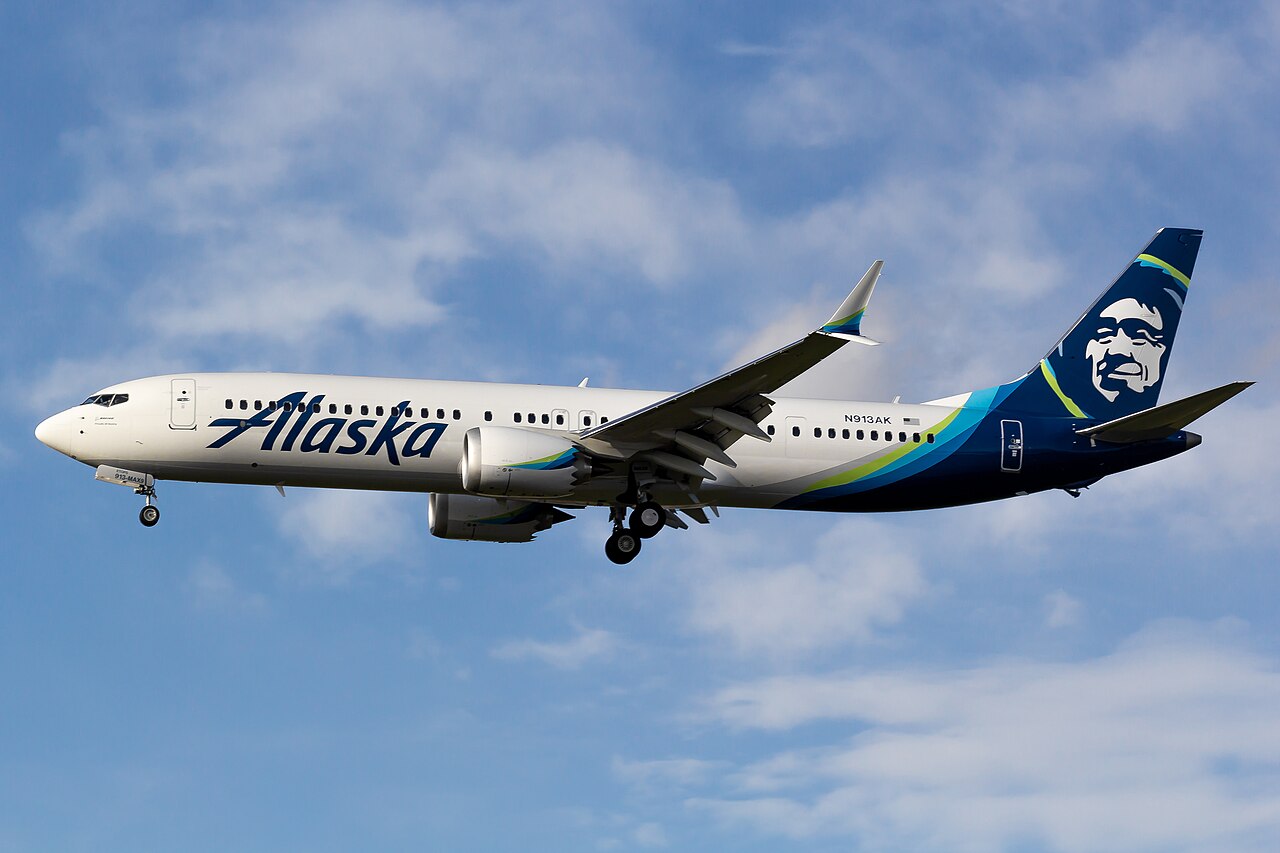
The Federal Aviation Administration has awarded Air Space Intelligence a contract worth 875 million dollars to build the system that is meant to reorganise the country's airspace. It is called Smart, short for Strategic Management of Airspace, Routes and Trajectories, and belongs to the overhaul of air traffic control pushed by the Trump administration.
Air Space Intelligence is a small company led by its co-founder Phillip Buckendorf. Its product, Flyways, processes traffic, wind and weather data to work out what will happen along a route over the following hours. Rather than describing the present situation, the software estimates where bottlenecks will build up and proposes small corrections to route and timing in advance.
The Alaska Airlines precedent
Alaska Airlines was the first carrier to adopt Flyways, in 2021. According to figures released by the airline, the system has saved tens of thousands of flight hours and roughly a million gallons of fuel a year. Bret Peyton, who runs the airline's network operations centre, made clear that the software chooses neither the route nor the waypoints: it puts forward suggestions that dispatchers can accept or discard. Operators' confidence, he says, grew as the results became visible. After Alaska the company extended its contracts to Delta, United Airlines, the US Army and the Air Force.
The leap the federal contract demands is of a different order. The system must move from optimising one airline's flights to running the entire US airspace, the busiest and most complex in the world. Bryan Bedford, who heads the aviation authority, described the current set-up as lacking any unified view of the national picture: the data exist, but sit scattered across control centres that do not share them in real time.
On the most sensitive point, the role of air traffic controllers, the official line is that the aim is to assist rather than replace them. The decision stays with the human operator, as it already does with airline dispatchers. What remains to be shown is that a predictive model trained on a single carrier's flights can carry the load of a national system, where the effects of a wrong recommendation do not stop at one aircraft. The contract has been signed; the system has yet to be built.
Comments
There are no comments yet. Yours can be the first voice.



.jpg)