Switzerland Data centres
Evicted, the opponents of the Beringen data centre move to Germany
The Aufstände der Allmende collective is relocating to Tengen after the Zurich police operation in Benken. It objects to the plant's electricity and water consumption.
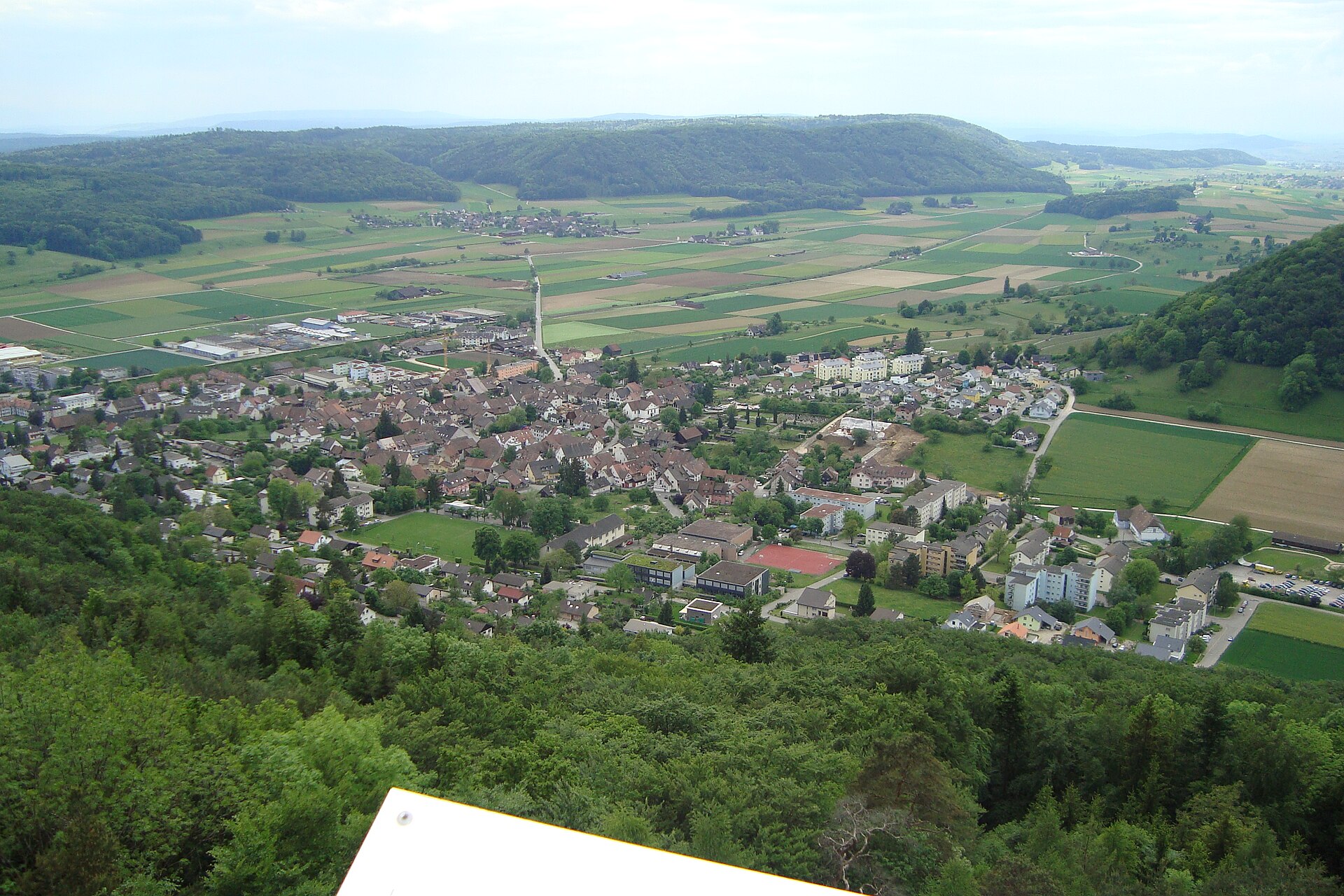
The activists protesting against the construction of the new large data centre in Beringen, in the canton of Schaffhausen, have moved their campaign across the border. The group Aufstände der Allmende has announced a relocation to Tengen, a German town a short distance from the frontier, after its camp was cleared.
The protest was set up to last a week. The municipality of Beringen banned camping, however, and the alternative site set up in nearby Benken, in the canton of Zurich, was cleared the previous evening by the Zurich cantonal police. The activists called the operation a police attack. After the eviction they fell back temporarily on a conference room in the town of Schaffhausen, before announcing the move to Germany.
The reasoning behind the move is political rather than logistical. «Opposition to Big Tech must be cross-border in character: the growing mobilisation against data centres will not be stopped by attempts at intimidation», the group said.
Electricity and water
The day before, the collective had held a press conference on the site of the ZUR2 data centre. Aufstände der Allmende sees the Beringen project as an example of the global expansion of artificial intelligence.
The criticism focuses on two resources. According to the group, the data centre will consume almost as much electricity as the entire canton of Schaffhausen. The additional consumption of around 55,000 cubic metres of water a year also risks, again according to the activists, causing a water shortage across the Klettgau region. The plant is described as an accelerator of the climate crisis.
These are figures and assessments from the project's opponents. They nonetheless mark out the ground on which the dispute will be fought: not the infrastructure itself, but the accounting of the resources it absorbs and the split between those who earn from it and those who live in the region that supplies them.
Comments
There are no comments yet. Yours can be the first voice.