World Peace process
Turkey passes the law to reintegrate PKK fighters
The text, approved by 468 votes, provides for the suspension and then dismissal of proceedings for offences punishable by up to fifteen years. Fighters have six months to apply.
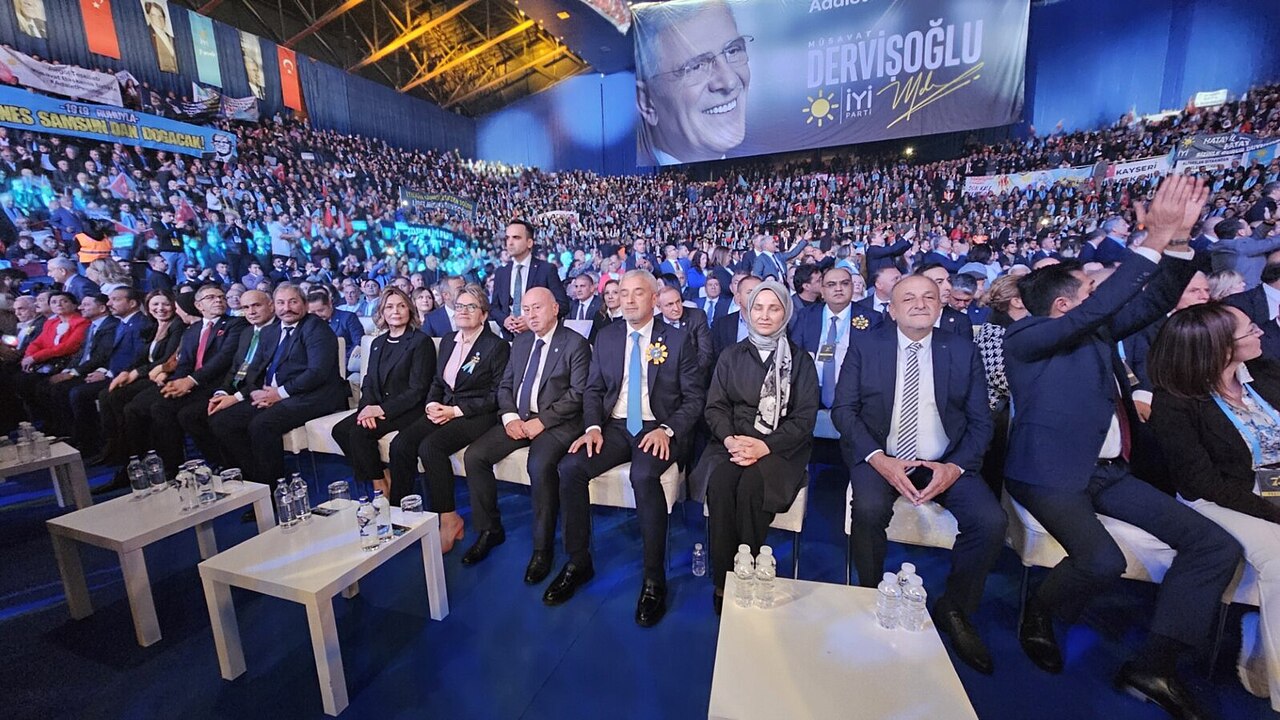
The Turkish parliament has passed the law that gives legal form to the peace process with the Kurdistan Workers' Party. The vote was 468 in favour, 88 against and 6 abstentions.
The text is called the law on strengthening national solidarity and social integration, and it sets out the path by which fighters can return to civilian life. The mechanism is not an immediate amnesty: criminal proceedings are suspended for a period of between five and ten years, depending on the gravity of the offences alleged. If the person commits no new offences in that time, the proceedings are dismissed and the sentence considered served.
Its application, however, has a substantive limit. Only cases concerning offences punishable by up to fifteen years qualify. Those accused of more serious acts fall outside the law's scope, a choice that allows the government to present the measure as reintegration rather than a general pardon.
Fighters have six months from the text's official publication to submit an application.
A broad parliamentary consensus
The most significant political fact is the breadth of the majority. Every party represented in parliament backed the measure, with the exception of the ultranationalist İYİ Parti. The main opposition party also gave formal support, while recording some votes against among its own deputies.
Agreement on this scale is rare on an issue that has divided the country for decades. The conflict between the Turkish state and the PKK has run since the early 1980s and caused more than 40,000 deaths between 1984 and 2015. Attempts at negotiation had been started and broken off in the past.
The current process began at the end of 2024. Last year the PKK announced its dissolution and its renunciation of armed struggle, and the law just passed is the state's counterpart to that decision: without a legal instrument governing the return, thousands of people would remain subject to open proceedings.
Two aspects remain to be verified. The first concerns actual take-up, which will only be measurable when the six months expire. The second concerns conditionality: five or ten years of suspension means the final outcome of the proceedings will depend on how the peace process holds over the coming decade.
Comments
There are no comments yet. Yours can be the first voice.