World Drought
The Po stays low, Lake Maggiore near its reference minimums
The river district's observatory confirms high water severity. The storms expected over the coming days will not rebuild the reserves.
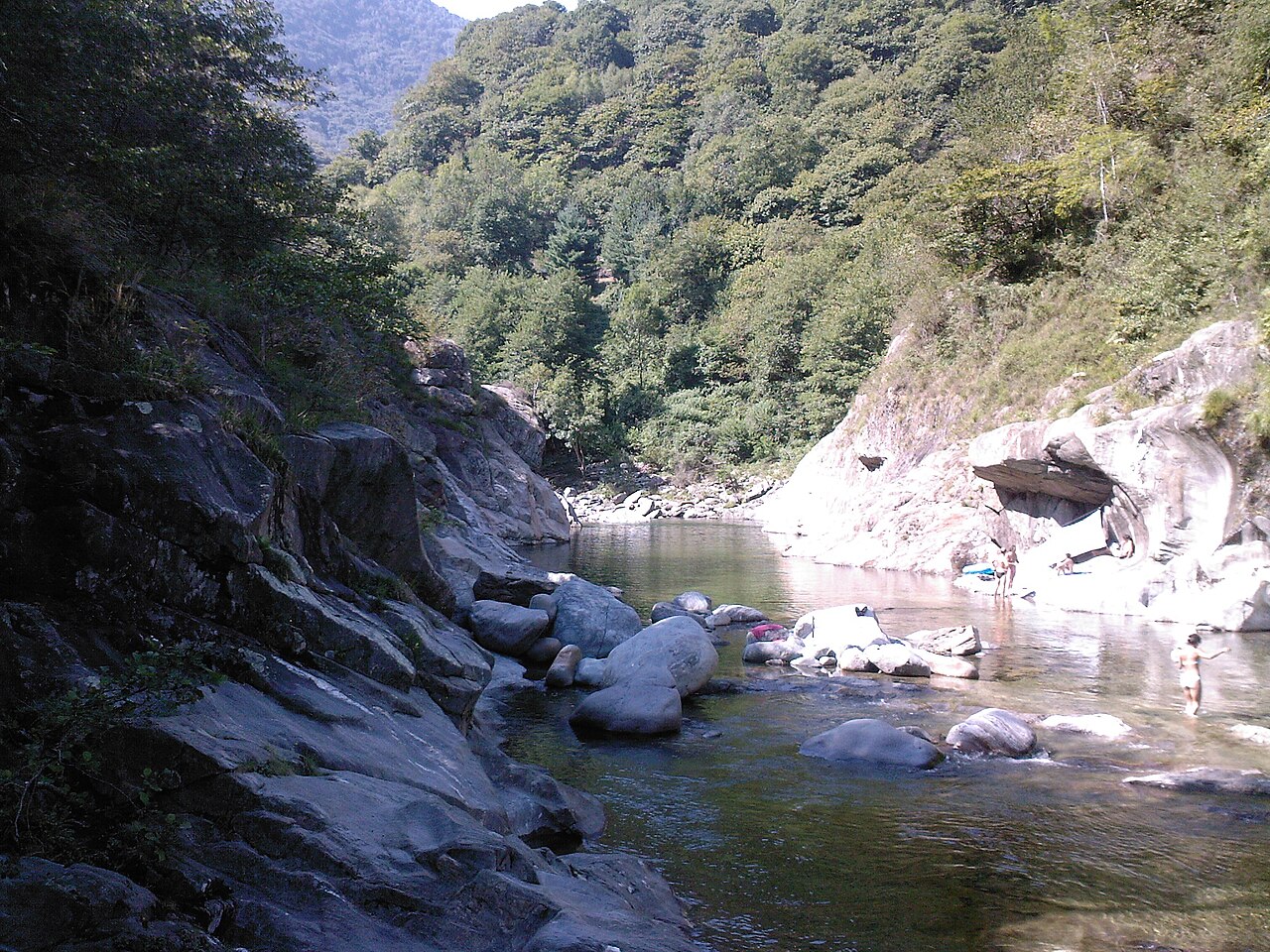
The Po remains in conditions of extreme drought, because of the absence of rainfall and high temperatures. The permanent observatory on water use in the river's district confirms its assessment of high water severity.
Alessandro Delpiano, secretary general of the basin authority, explained that persistent heat is exhausting the last available reserves, namely the great pre-Alpine lakes. In his assessment the emergency is continuing and no end is yet in sight.
The Po's flows remain at critical levels, below characteristic low-water values. Storms of some intensity are expected over the coming days across the hills and the plain, with falling temperatures. The river's main channel is expected to hold its current flow or increase it slightly, but the observatory rules out significant and lasting benefits for water availability.
The lakes have been falling since mid-June
The situation of the large lakes weighs heaviest. Levels have been falling without interruption since mid-June.
The most critical case is Lake Maggiore, where both the water height and the volumes released stand close to historical reference minimums. The consequence is felt downstream, in the rice fields around Vercelli, Novara and the Lomellina, where irrigation depends directly on those releases.
Lake Como and Lake Iseo also show critical conditions. For Iseo the values correspond to the definition of extreme drought. Lake Garda, by contrast, retains broadly normal filling, though with levels and releases below seasonal averages.
Delpiano connected the situation to a longer-term problem. The consequences of climate change in northern Italy, he noted, could become still more severe for agriculture, for industry and for the population, and further adaptation measures need to be adopted soon in order to avoid worse situations in the coming years.
Lake Maggiore concerns Ticino too. Its level depends on inflows from Swiss and Italian catchments, and its regulation at the Miorina barrage has for decades been a point of friction between the needs of the Swiss shores and those of irrigation in Piedmont and Lombardy.
Comments
There are no comments yet. Yours can be the first voice.