Canton Cantonal government
Piero Marchesi brings the UDC back to the Ticino government after 99 years
On Wednesday 7 October, Piero Marchesi of the Swiss People's Party (UDC) joins the Ticino Council of State, replacing Lega member Claudio Zali, who has resigned. With him, the party returns to the cantonal government after 99 years.
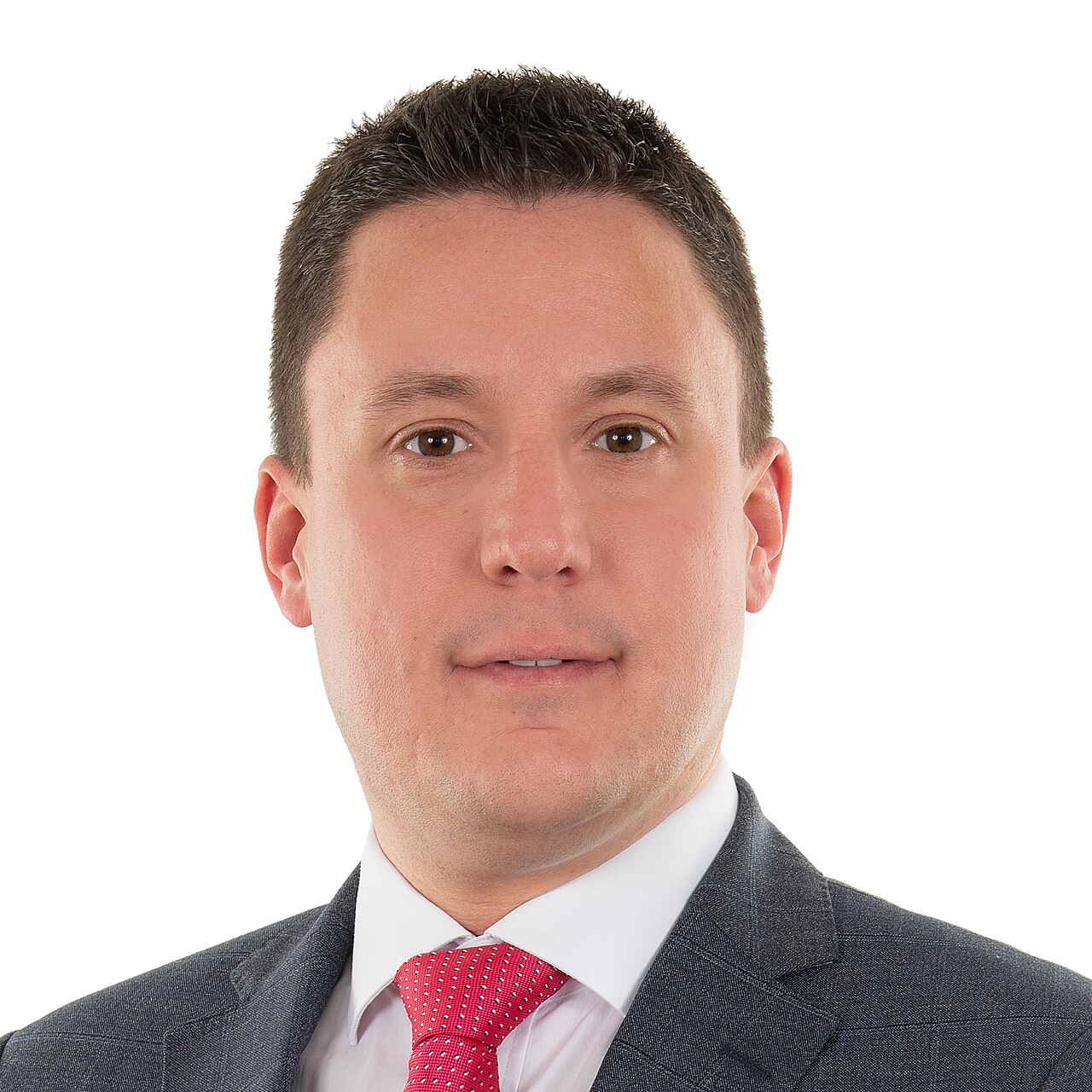
Piero Marchesi, 45, a former National Council member and mayor of Tresa, takes the oath before Damiano Stefani, president of the Court of Appeal. He takes the seat of Claudio Zali, of the Lega, who stepped down because of the scandal in which he was involved.
The precedent of 1922
The precedent dates back to 1922. That year saw two elections that led to the creation of the so-called «Governo di paese». Ticino thereby emerged, at least in part, from the political crisis that followed the First World War. That crisis ended several decades of Liberal dominance, a period marked by bitter disputes and frequent changes to the electoral system.
The 1921 elections had returned four Liberals and three Conservatives, while the executive had seven members. The Liberal Radical Party (PLR), however, did not win a majority in the Grand Council. A few months later, an alliance of minorities led to the rejection of the 1922 cantonal budget. Finance head Evaristo Garbani-Nerini (PLR) resigned.
The by-election that followed went to Raimondo Rossi, a lawyer and director of the cantonal school of commerce, who belonged to the young Gruppo agrario popolare ticinese (GAPT). The following month, Conservative Mansueto Pometta also had to be replaced. His seat went to trade unionist Guglielmo Canevascini, representing the Socialist Party.
In 1923, when the Council of State returned to five members, Raimondo Rossi and Canevascini were confirmed. Conservative Giuseppe Cattori and Liberal Radicals Giovanni Rossi and Cesare Mazza were also confirmed. That year saw the first tacit election in cantonal history.
Rossi's time in government ended after five years. In 1927 he was not re-elected, and the Agrarians left the Council of State. Canevascini, by contrast, stayed in office until 1959, for more than 37 years.
From 1927 the formula was two Liberal Radicals, two Conservatives (today's Centre), and one Socialist. That formula largely governed Ticino until the Lega entered government in 1995, with the first election of Marco Borradori. The exception was the 1987–1991 term, when Socialist Pietro Martinelli unseated Christian Democrat Fulvio Caccia.
The Gruppo agrario popolare, later the Partito agrario popolare, was founded on 19 December 1920. That day, the delegates' assembly of the Ticino Farmers' Union decided to create a political force to give a voice to the primary sector and farming families, outside the traditional blocs. Its founders were former Liberals and former Conservatives, and they also aimed to foster reconciliation between the two historic parties. Its reference values were homeland, freedom and federalism.
In 1971 the Ticino Agrarian Party adopted its current name. The change followed the national merger of the Party of Farmers, Artisans and Citizens with the Democratic Party, which gave birth to the Swiss People's Party (UDC). The history is documented in the volume «Un secolo di storia politica. Dal Partito Agrario all'UDC (1920-2020)».
Marchesi will be the second UDC member elected to the government. He takes office in the middle of the campaign for the elections of 11 April 2027. The seat won by the Lega in the 2023 elections now passes to a UDC member, and the canton enters a new political phase.
Comments
There are no comments yet. Yours can be the first voice.
.jpg)