Canton Public services
Lugano keeps building, doubts over the Bioggio treatment plant's capacity
An interpellation signed by Sara Beretta Piccoli and Carola Barchi (PVL/PLR) asks the city executive whether the Bioggio plant and the sewer network can sustain the ongoing densification, and who will cover the costs of new construction.
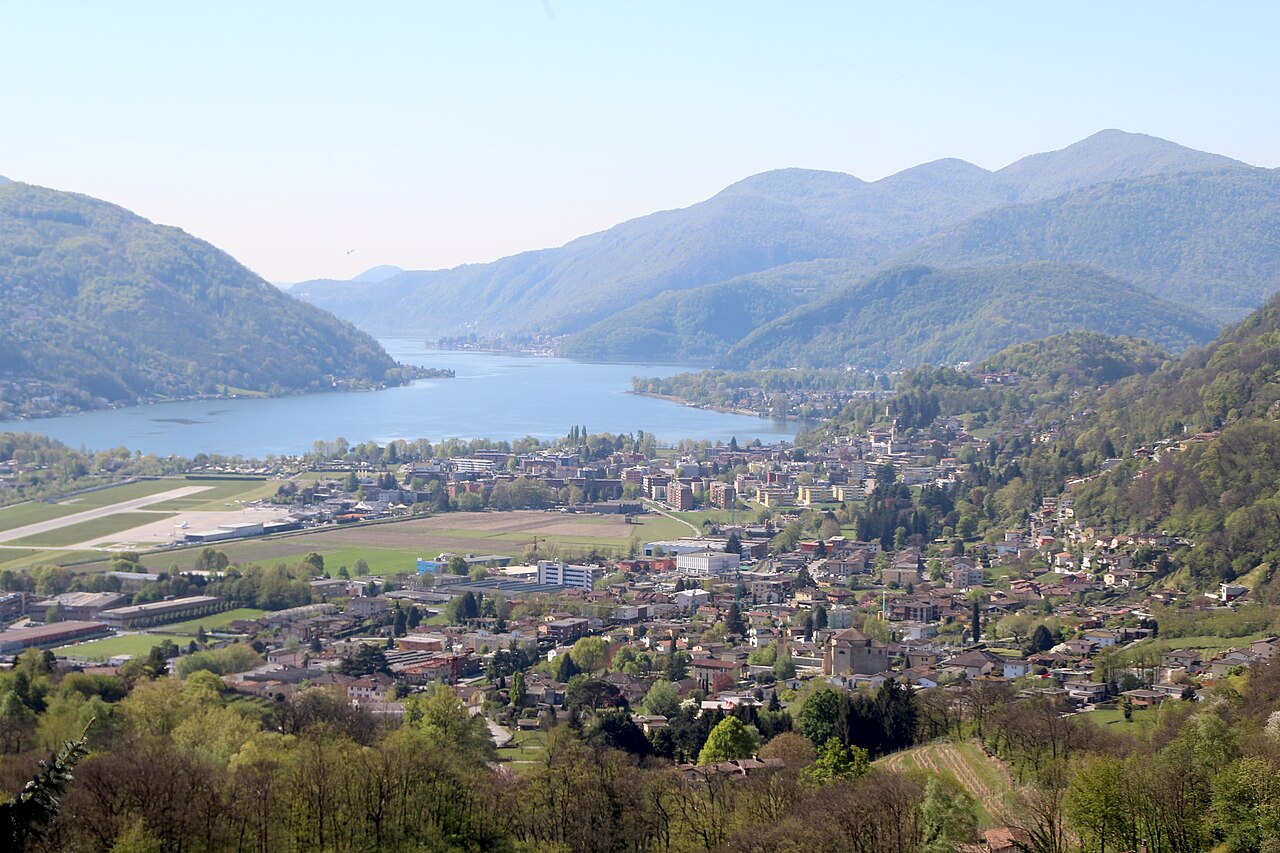
Lugano keeps on building, but are public infrastructures keeping pace? That is the question at the heart of an interpellation submitted to the city executive by Sara Beretta Piccoli and Carola Barchi (PVL/PLR). The opening question is direct: «il sistema di depurazione del Luganese è pronto a sostenere la crescita?» (is the Lugano region's wastewater treatment system ready to sustain the growth?).
The focus is on the Bioggio treatment plant, which handles the wastewater of Lugano and of numerous municipalities in the agglomeration. The signatories want to know whether the capacity of the plant and of the sewer network will be sufficient for the loads expected in the coming years, measured in population equivalents. They also ask whether upgrades are already planned, on what timetable and at what cost, and what the planning vision is for the next 10, 20 and 30 years.
The interpellation also questions the method. How is infrastructure capacity assessed when new developments are authorised? And is there any supra-municipal coordination to estimate the impact of new construction on the area served by the plant?
Who pays for growth
A substantial part of the questions concerns money and how it is shared out. The two signatories ask how much the city spends in total on wastewater treatment and what the average cost is per inhabitant or population equivalent. They also want an estimate of the economic impact of each new housing unit, and to know whether the costs generated by new buildings are actually covered by the construction, sewerage and connection contributions.
One chapter looks at the past: the sewerage contributions that were not levied at the time and were recovered later. The interpellation asks how much they amount to in total, how much has already been collected and how these resources are used. A final question concerns relations between local authorities: how are the operating and development costs of the Bioggio plant shared among the municipalities it serves?
The text does not challenge densification, which is in fact presented as an opportunity to limit land consumption. The condition it sets is that a «crescita di qualità» (quality growth) should be matched by adequate infrastructure and a fair distribution of the burdens. The underlying question remains open: do those who build today really cover the costs they generate, or does part of the bill fall on the community?
Comments
There are no comments yet. Yours can be the first voice.