World Israel elections
Israel votes, Netanyahu seeks seventh term
Israelis are voting today to renew Parliament, in the first legislative election since the attacks of 7 October 2023. Netanyahu is seeking a seventh term, while polls give neither his bloc nor the one led by Gadi Eisenkot a stable majority.
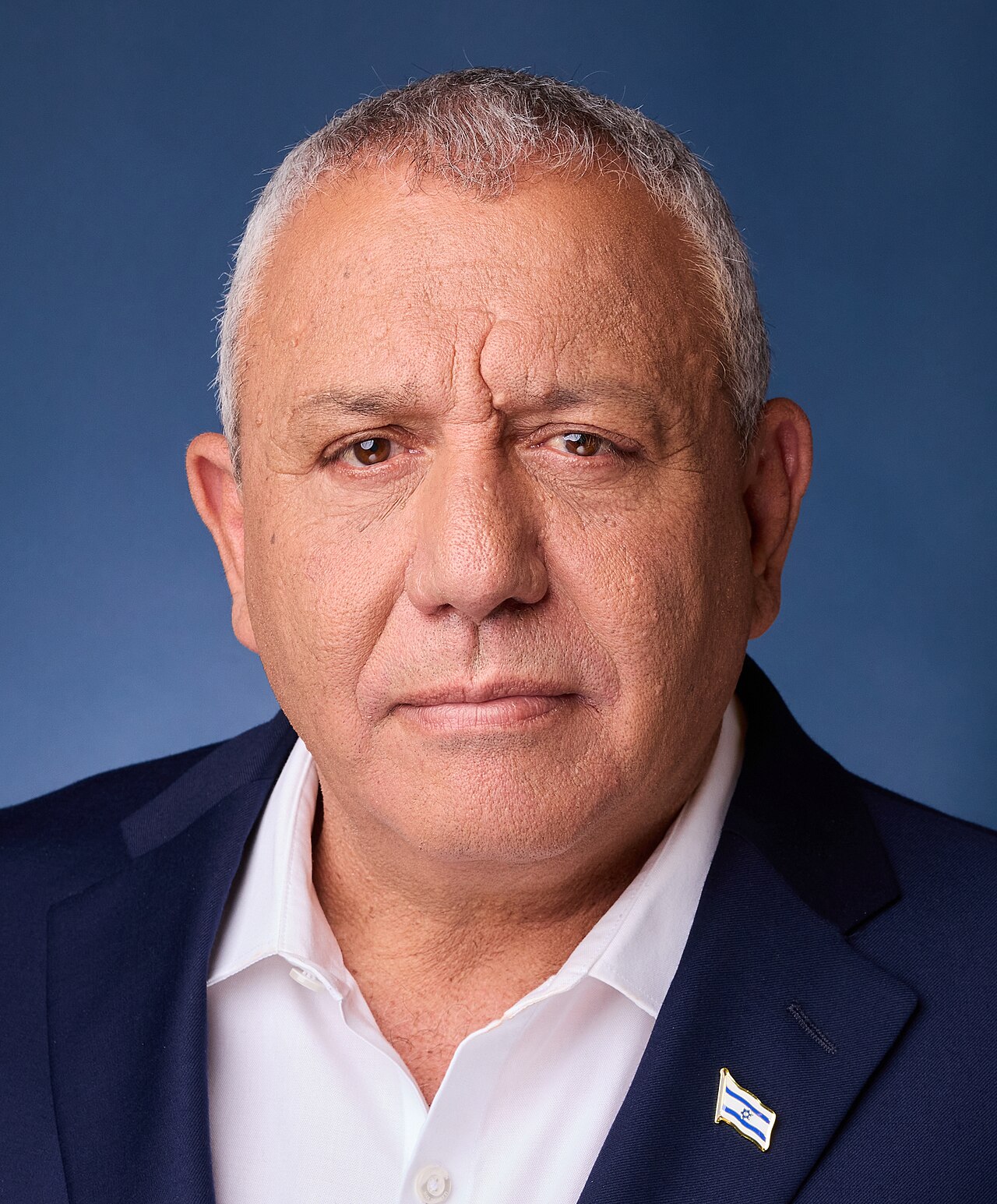
Israelis are voting today, Tuesday, to renew Parliament. 7.3 million Israelis are eligible to vote: polling stations are open from 7am to 10pm local time, or 6am to 9pm in Switzerland. It is the first legislative election since the attacks of 7 October 2023 and Israel's subsequent military intervention in Gaza.
Two right-wing blocs are competing. The first is led by Benjamin Netanyahu, leader of the Likud party, allied with the far-right and ultra-religious parties of Finance Minister Bezalel Smotrich and National Security Minister Itamar Ben-Gvir. Netanyahu, 77, is running for a seventh term: he is the longest-serving prime minister in Israel's history, having governed almost continuously since 2009 and having already led the country between 1996 and 1999, for a total of 19 years in power. In November 2024 the International Criminal Court issued an arrest warrant against him for crimes against humanity and war crimes committed in Gaza.
The opposition bloc is led by former chief of staff Gadi Eisenkot and his party Yashar. Eisenkot, a centre-right politician of Moroccan descent, is seen as Netanyahu's main challenger and lost a son in the war in Gaza. His campaign promises include setting up a commission of inquiry into the security failures that preceded the Hamas attacks of 7 October 2023. On the need for military action in Gaza and on the two-state solution, one Palestinian and one Israeli, his positions do not differ significantly from those of the current government.
The role of the Arab parties
The Knesset has 120 seats, and a majority requires 61. Polls suggest neither bloc can secure a stable majority, leaving the outcome uncertain. The Arab parties, who represent around a fifth of Israel's population, could hold the balance of power. A joint list bringing together three secular Arab parties aims to bring down the Netanyahu government; even if it does not join any new majority, its abstention could still be needed to support a minority government. To enter Parliament, a party must win at least 3.25% of the vote, equivalent to 4 seats: whether the various lists clear this threshold will be decisive for the final balance of power.
After the vote, President Isaac Herzog will ask whoever he judges most likely to succeed to form a government, including possibly a minority government backed by the abstention of smaller parties. If no one can build a majority, new elections will be held. The first exit polls are expected when polling stations close, at 10pm in Israel and 9pm in Switzerland.
Comments
There are no comments yet. Yours can be the first voice.