Canton Alpine economy
Summer drought cuts alpine cheese output in Leventina
In the Leventina valley, alpine cheese production has dropped by up to 20% because of the summer drought. Producer Nicola Pedrini reports income losses and difficulties finding water for next season.
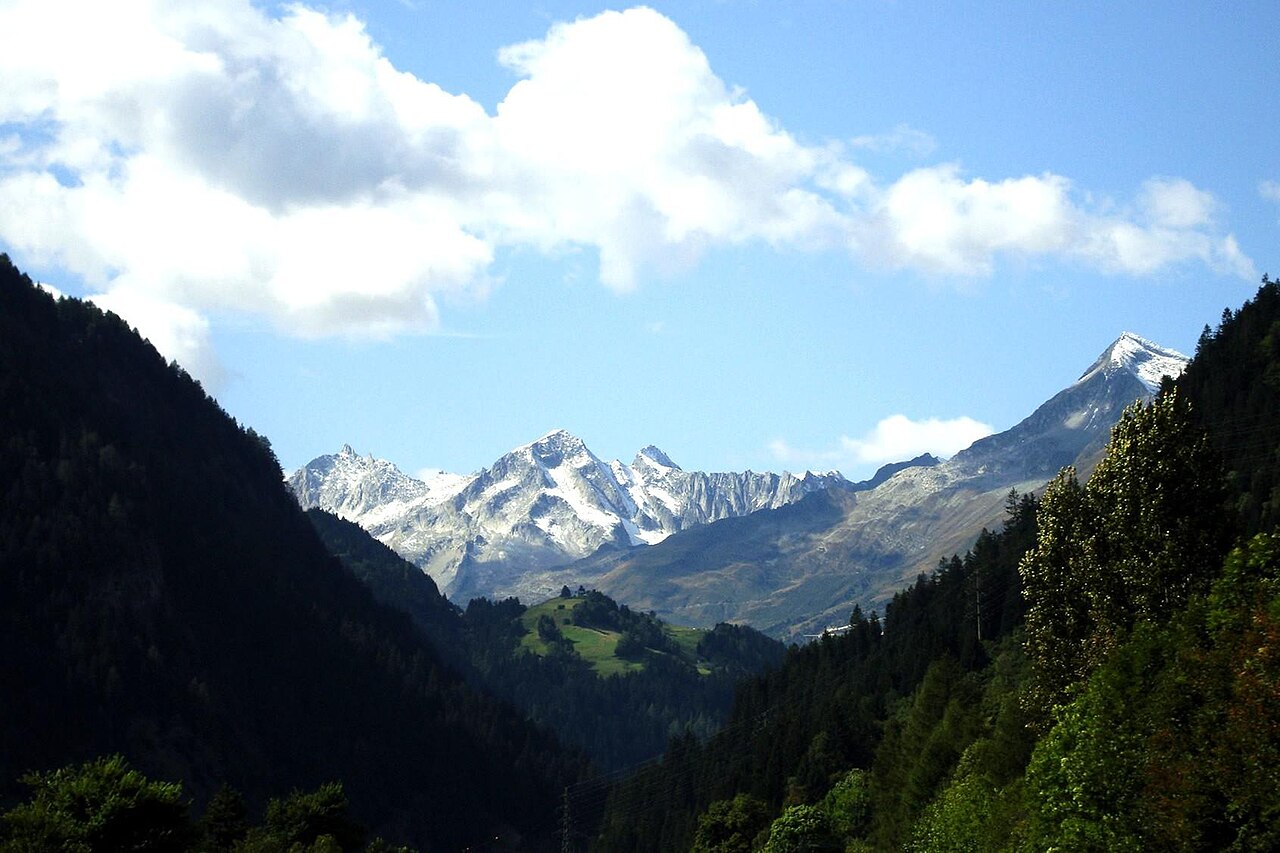
In the Leventina valley, in Nante, fewer wheels of alpine cheese have gone into the cellar this year than in previous seasons. Nicola Pedrini, a producer in the region, told Il Quotidiano that the summer drought dried out the grass, even on the highest pastures, making it less palatable for the animals. Production fell by roughly 15 to 20% compared with previous years, directly affecting what he is able to bring home from the alpine season.
Raising prices is not easy
Pedrini also sits on the board of the Società ticinese di economia alpestre, the Ticino alpine economy association. To offset the losses, he says, raising prices would be "più che dovuto" (more than warranted), but doing so right now is not an easy option: alpine cheese already carries a relatively high price, despite its good reputation among consumers. The market, in other words, does not automatically reward those who produce under harsher climatic conditions: people working on the alp absorb the effects of the drought on their own, without being able to pass the cost downstream.
Pedrini is already thinking about next season. On water, he said, "siamo proprio a minimi" (we are really at the minimum): if the drought continues, new solutions or investments in water supply will be needed. On his alp at Pesciüm, where his cows graze, investment in the local patriziato's water system has made it possible to use every available drop. But not every alp in Ticino is in the same position: connecting to a spring or pipeline can be impossible, or cost several hundred thousand francs.
For an activity that lasts at most a hundred days a year, paying off an investment of that size is difficult. Pedrini is considering looking for synergies with other activities in the area, such as the tourist facilities at Pesciüm, to spread the costs over a longer period. The question of who should bear these investments remains open: individual producers, already dealing with short seasons and thin margins, or broader support that would let the alpine economy cope with an increasingly dry climate without placing the whole burden on those working at altitude.
Comments
There are no comments yet. Yours can be the first voice.