Switzerland Police custody
Parliament wants to extend police custody from 24 to 48 hours
After the Council of States, the National Council has also backed in principle the idea of doubling the maximum length of police custody for people suspected of unrest at demonstrations. Amnesty International and the Federal Council have raised concerns.
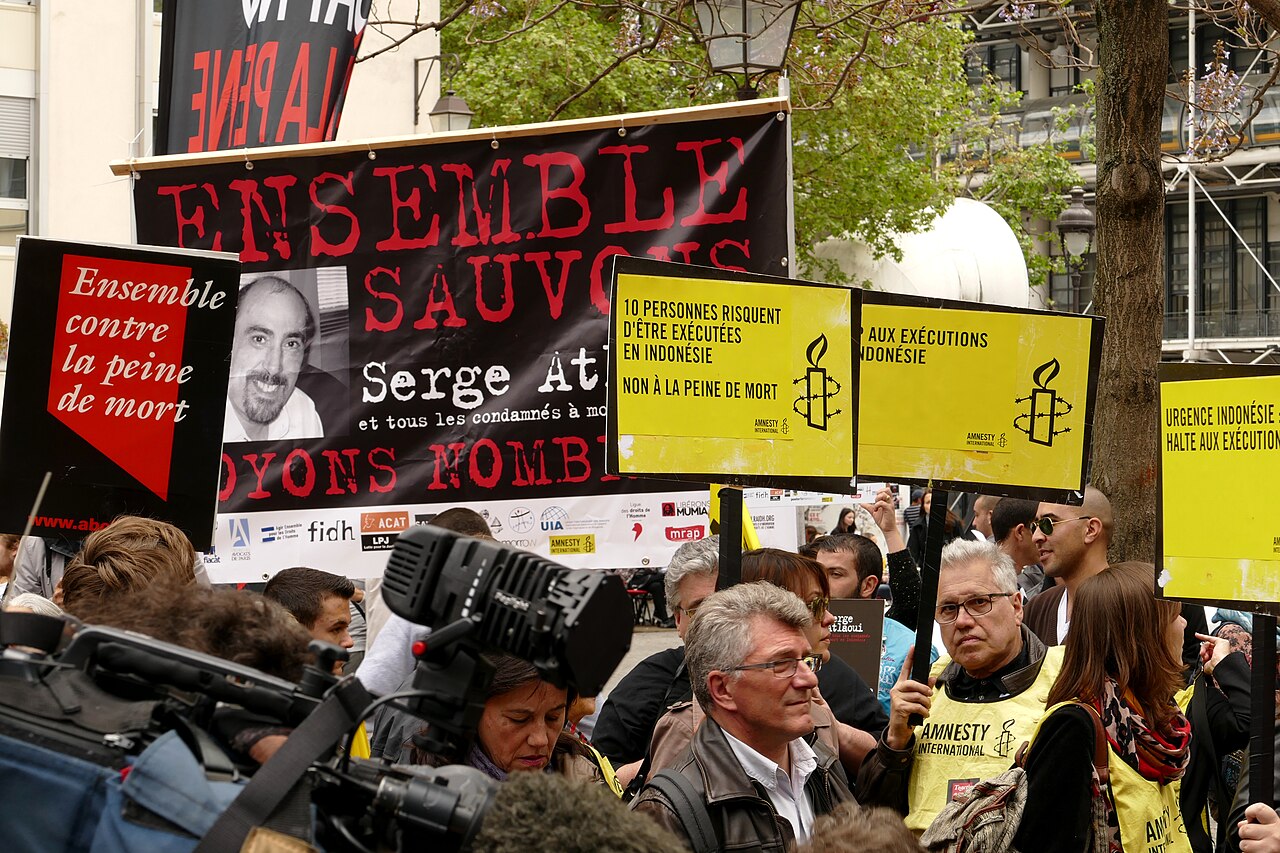
The National Council has given its backing in principle to a motion that would extend police custody from 24 to 48 hours for people suspected of unrest and damage during demonstrations. The motion, filed by Council of States member Petra Gössi (FDP/SZ), had already won the support of the Council of States. The aim is to give police more time to carry out inquiries before handing a case over to the public prosecutor's office.
Supporters of the measure point to a demonstration in Bern that turned violent a year ago, during which police checked more than 500 people. Identifying those responsible, gathering evidence and analysing footage would have required more time than the 24 hours currently available. Max Hofmann, secretary general of the Swiss Federation of Police Officers, argues that a longer deadline would make it possible to clarify each detained person's role more precisely and to hand prosecutors more complete case files.
Doubts over the timeline for justice
The proposal, however, raises questions about procedural timing. Under the case law of the European Court of Human Rights, a final decision on pre-trial detention must be made within 96 hours of arrest. If police had 48 hours instead of 24, the public prosecutor's office and the courts responsible for coercive measures would have less time to examine a case and decide whether to confirm pre-trial detention.
For Alicia Giraudel, a lawyer at Amnesty International Switzerland, this compression of time could make it harder to guarantee detainees' procedural rights and to carry out thorough judicial review. The Federal Council has also voiced doubts about whether the reform is workable. Police representatives, for their part, argue that more thorough preliminary investigations could make prosecutors' work easier and faster.
The debate also touches on the very nature of police custody. For Amnesty International, extending the deprivation of liberty amounts to a more serious interference with fundamental rights, one that must be justified with particular care. Hofmann, by contrast, sees a possible deterrent effect, especially for people who take part in violence during demonstrations. Human rights defenders reject that argument: they say custody cannot serve a punitive purpose and must remain a purely procedural measure, with the presumption of innocence applying until any conviction.
With Parliament's approval in principle, it now falls to the Federal Council to draft a concrete legislative proposal. It will need to clarify the precise purpose of police custody and how to meet the requirements set by the European Court of Human Rights. These two questions will be at the centre of the next political and legal debate.
Comments
There are no comments yet. Yours can be the first voice.