Culture Music
Francesco Guccini has died, a voice of Italian songwriting
The singer-songwriter died at 86 in Pavana, in the Apennines above Pistoia. The family has announced a private funeral and a commemoration in September.
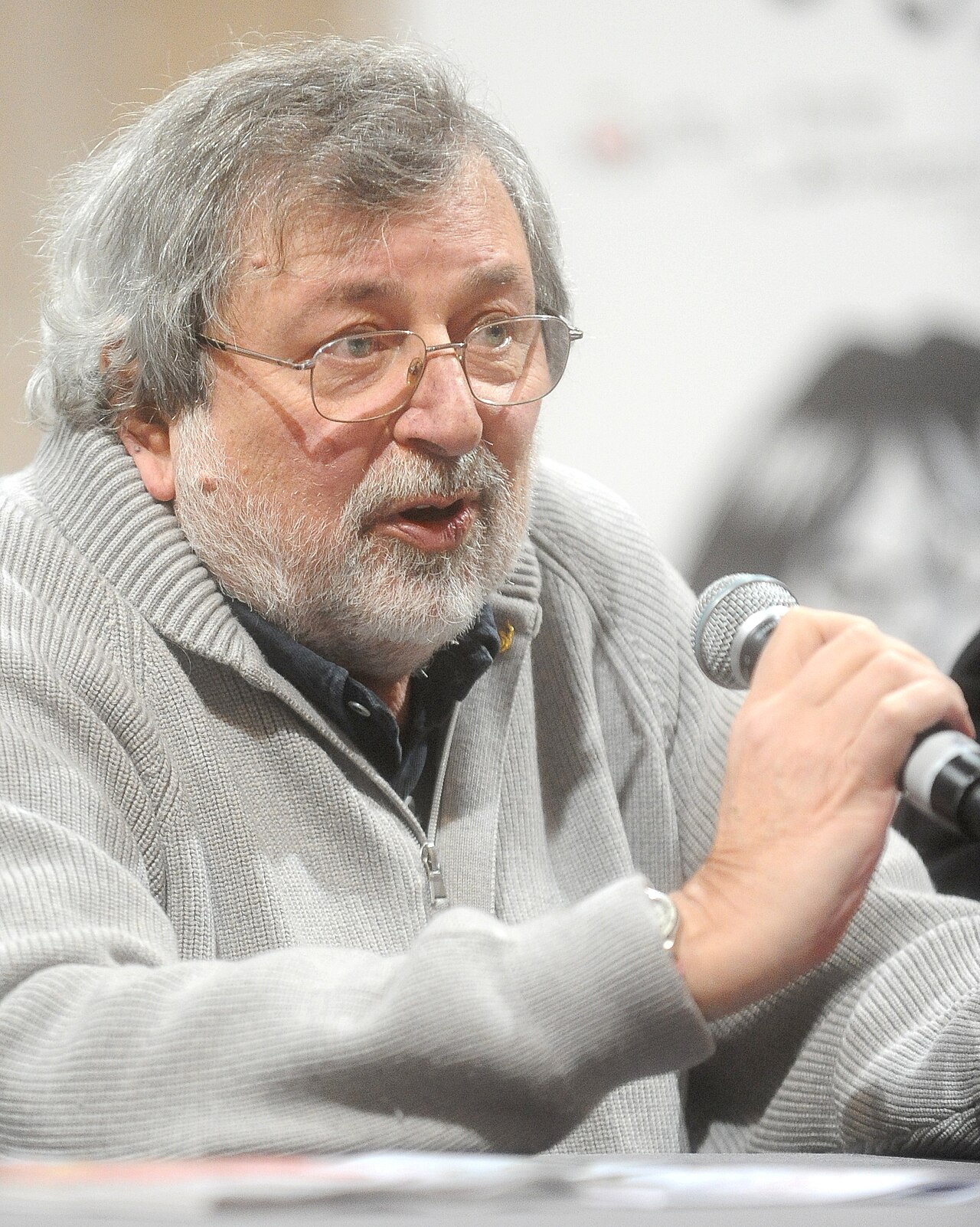
Francesco Guccini died on the morning of 6 August in Pavana, the village in the Apennines above Pistoia where he lived. He was 86.
The announcement came from his wife Raffaella and his daughter Teresa. «Nel rispetto delle sue volontà - le esequie si svolgeranno nei prossimi giorni in forma strettamente privata» ("In keeping with his wishes, the funeral will be held in the coming days strictly in private"), the family said, asking for discretion and thanking those who had expressed their support. A commemorative ceremony will be held in September.
Guccini was born in Modena on 14 June 1940 and spent much of his childhood in the Tuscan-Emilian Apennines. Before music he worked as a teacher and briefly as a journalist at the Gazzetta di Modena, with a spell in advertising.
First a writer for others, then a performer
His entry into song came almost reluctantly, as a writer for other artists. Caterina Caselli, Equipe 84 and the Nomadi recorded his compositions, among them "Auschwitz", "Per fare un uomo" and "Dio è morto".
From the 1970s onwards, based in Bologna, Guccini became one of the most closely followed figures in Italian songwriting. His concerts alternated songs with monologues of a theatrical cast. Among his best-known titles are "La locomotiva", "Piccola città", "Il vecchio e il bambino", "Incontro" and "Canzone per un'amica".
His reading ranged from Italian poetry to Borges, from Dylan to the Bible, taking in Cervantes and Dumas. That material entered his lyrics as quotations, characters and historical references.
In 2012, after releasing "L'ultima Thule", he announced his retirement from performing. He carried on writing prose. In 2020 his ballad "Tralummescuro", published by Giunti, was shortlisted for the Premio Campiello.
In Italian-speaking Switzerland his music accompanied radio schedules and summer programmes for decades, with a repertoire that circulated here just as it did in Italy.
Comments
There are no comments yet. Yours can be the first voice.