World Monetary policy
The Fed leaves rates unchanged between 3.50% and 3.75%
The United States central bank confirmed the level markets expected. Three members out of twelve nonetheless voted against, calling for a 25 basis point increase.
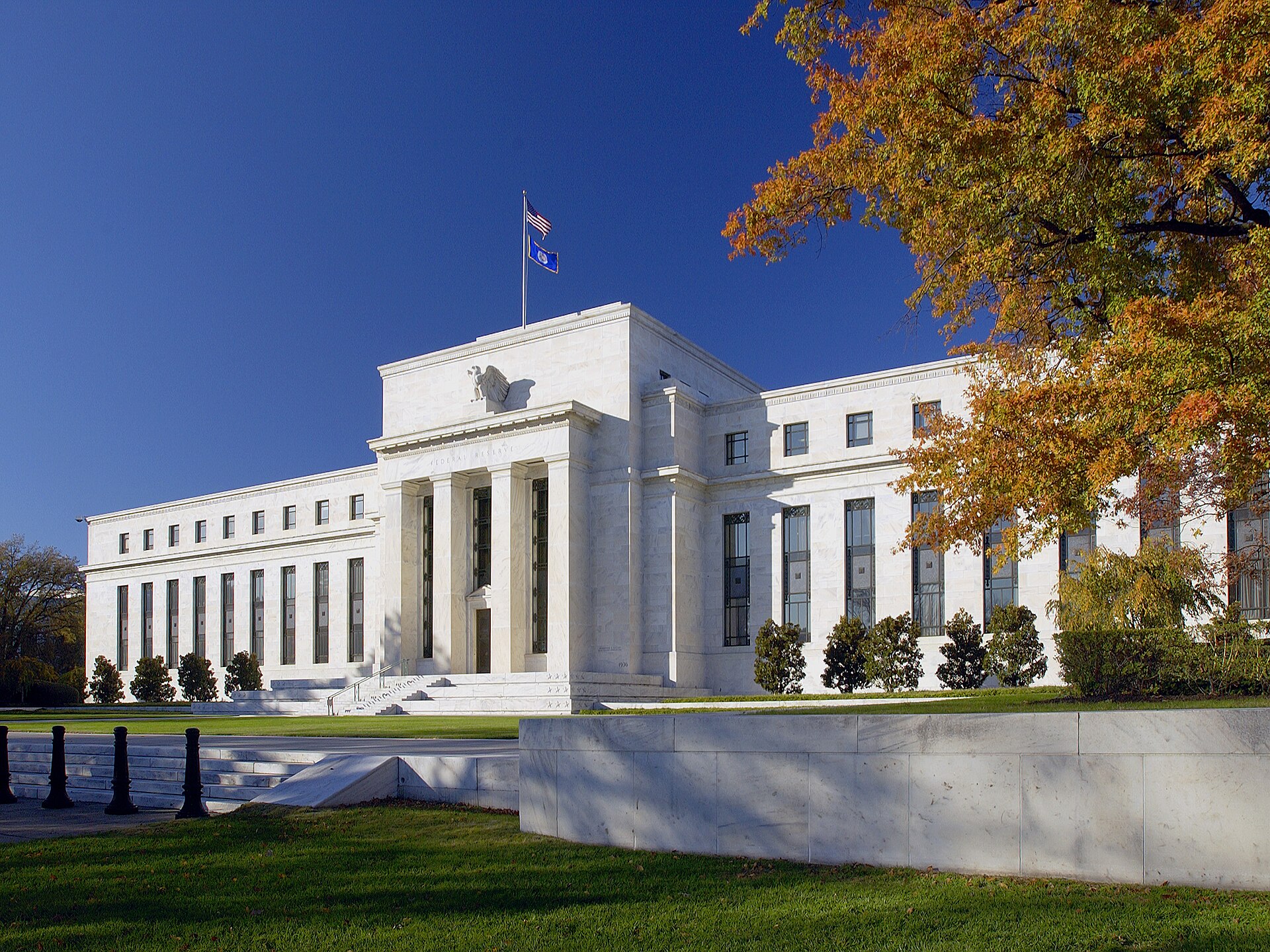
The Federal Reserve has left interest rates unchanged in the range between 3.50% and 3.75%. The decision matches what markets had expected.
In its statement the central bank describes economic activity expanding at a solid pace. It nonetheless flags uncertainties linked in part to the conflict in the Middle East.
On inflation the assessment remains cautious. The level is still elevated relative to the 2% objective, which also reflects the shocks pushing prices up in some sectors, including energy.
A divided vote
The decision passed by 9 votes to 3. The three dissenting members would have preferred a rate increase of 25 basis points.
A minority of that size is not a procedural detail. It indicates that part of the committee regards inflation as persistent enough to justify tightening, despite growth described as solid.
The compromise reached therefore leaves both directions open for the coming meetings. The choice will depend on price data and on how the external factors cited in the statement develop.
The reference to the conflict in the Middle East ties the decision to factors monetary policy does not govern. The path of energy prices depends on external events, and a central bank can act on their effects but not on their causes.
The current level nonetheless remains far from that of expansionary phases of monetary policy. The 3.50% to 3.75% range reflects the path followed so far to bring inflation back towards the objective.
The Fed's decisions have effects that reach beyond the borders of the United States. They bear on international bond yields and on exchange rates, including the one between the dollar and the Swiss franc.
For Switzerland the level of American rates is one of the elements that determine pressure on the franc. A wide gap with Swiss rates tends to support the dollar, while a narrowing works in the opposite direction.
Comments
There are no comments yet. Yours can be the first voice.


.jpg)