Culture Swiss cinema
Twenty years without Daniel Schmid, the Grisons director of La Paloma
Born and died in Flims, he received the Pardo d'onore at Locarno in 1999. From 8 to 10 August the village's Hotel Schweizerhof is showing several of his works.
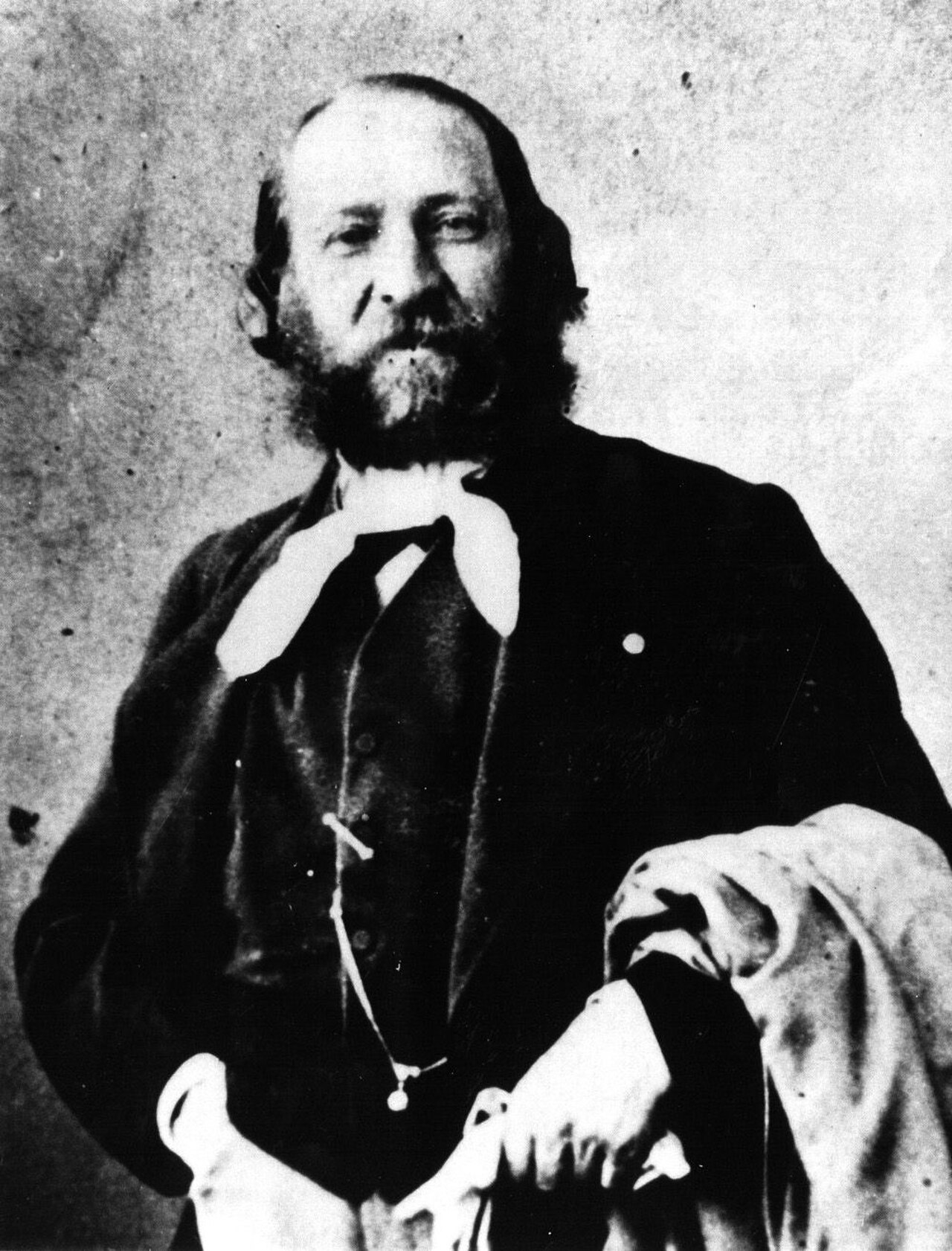
Twenty years have passed since the death of Daniel Schmid. The Grisons director died between 5 and 6 August 2006 of cancer in Flims, the same village where he was born on 26 December 1941.
On his birth record he was Daniel Schmidt. He later dropped the final "t" from his surname.
In 1962 he moved to Berlin, where he studied history, art history and political science. In those same years he worked as an interpreter, journalist and translator. From 1966 he attended the Deutsche Film- und Fernsehakademie Berlin for two years.
The Berlin years and the return
During the period of the student protests he worked with Rainer Werner Fassbinder and Werner Schroeter, two directors who were then shaping the new German cinema.
His filmography opens with "Heute Nacht oder nie", from 1972. Two years later came "La Paloma", regarded as his masterpiece. It was followed by "Violanta" in 1977, "Hecate" in 1982, "Tosca's Kiss" in 1984, "Jenatsch" in 1987, "Off Season" in 1992 and "Beresina, or the Last Days of Switzerland" in 1999. Twenty-seven years separate the first title from the last.
Schmid also worked in opera. He directed Bellini's "I puritani" in Geneva in 1995 and Verdi's "Il trovatore" in Zurich in 1996.
His link with Italian-speaking Switzerland runs through the Locarno Film Festival, which awarded him the Pardo d'onore in 1999. The award came in the same year that "Beresina, or the Last Days of Switzerland" was released.
The same cinematographer, Renato Berta, worked on all his films. It is a rare continuity, spanning nearly thirty years of production and several genres.
His archives are held at the Cinémathèque suisse in Penthaz, in the canton of Vaud.
To mark the anniversary the Hotel Schweizerhof in Flims is hosting a number of screenings from 8 to 10 August. The building stands in the village where the director was born and died.
Comments
There are no comments yet. Yours can be the first voice.