World Migration
In Ceuta judges block the blanket rejection of asylum claims
Spanish judges’ associations reject the governor’s request. Between eight and twelve thousand people remain in the enclave in makeshift shelters.
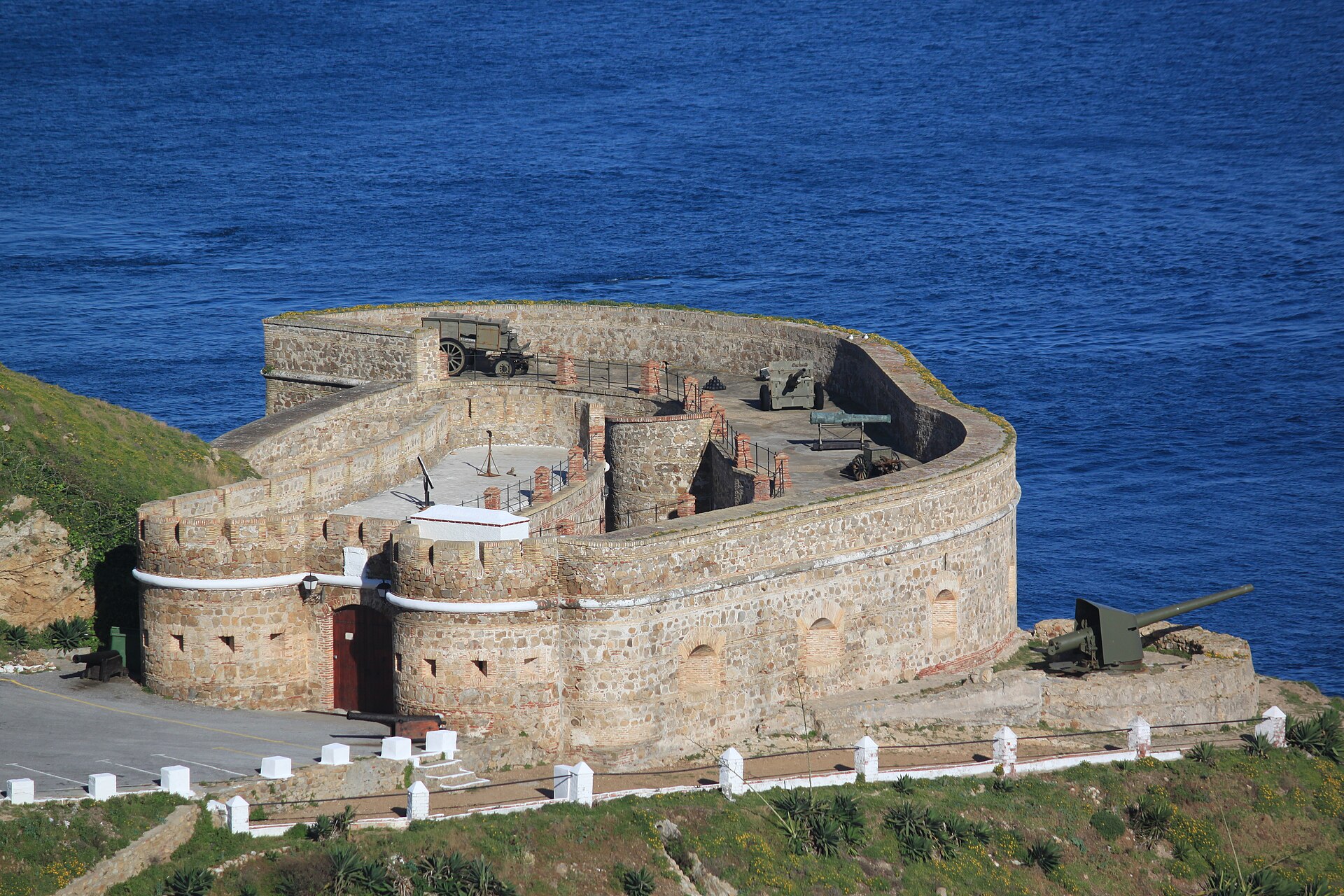
Spanish judges' associations have blocked the attempt by the governor of Ceuta to reject outright the asylum claims lodged by people who arrived during the influx at the end of July.
Juan Jesus Vivas, mayor and president of the Spanish enclave on Moroccan territory, had asked the central government to deny asylum to all irregular arrivals. The Professional Association of Magistrates and the Independent Judicial Forum opposed that blanket approach. Spanish law, the former stated, does not allow it to be decided in advance that every person who entered irregularly will be refused asylum. Roberto Garcia Ceniceros, president of the Independent Judicial Forum, stressed that while it is for the executive to decide on asylum, each application must be assessed individually according to the circumstances of the person making it.
Thousands waiting on the beach
Between eight and twelve thousand of the people who arrived at the end of July remain in the enclave. Many are living in makeshift shelters on El Trampolin beach, with limited access to food, water and sanitation. Today dozens of them staged a peaceful protest, holding signs saying that they too are human beings and calling for asylum.
Interior Minister Fernando Grande-Marlaska announced faster deportations for those with no right to stay. On that basis, only vulnerable individuals and those whose asylum claims are recognised would be able to remain.
The judges' position returns the case to the ground of procedure. An individual assessment takes time, staff and adequate reception facilities, and in Ceuta all three are currently lacking. As long as the question stays open, it is the people waiting who bear the cost, in conditions that organisations on the ground describe as precarious. The open question is how that burden is shared between the enclave, the rest of Spain and the other countries of the European Union.
Images and video
Comments
There are no comments yet. Yours can be the first voice.