World Children and social media
Brussels wants to ban social media for children under 13
The European Commission has presented the Kids Act, which bans access to social media for children under 13 and limits use to one hour a day for teenagers aged 13 to 15. The proposal must now go through the approval process in Brussels and face resistance from major platforms.
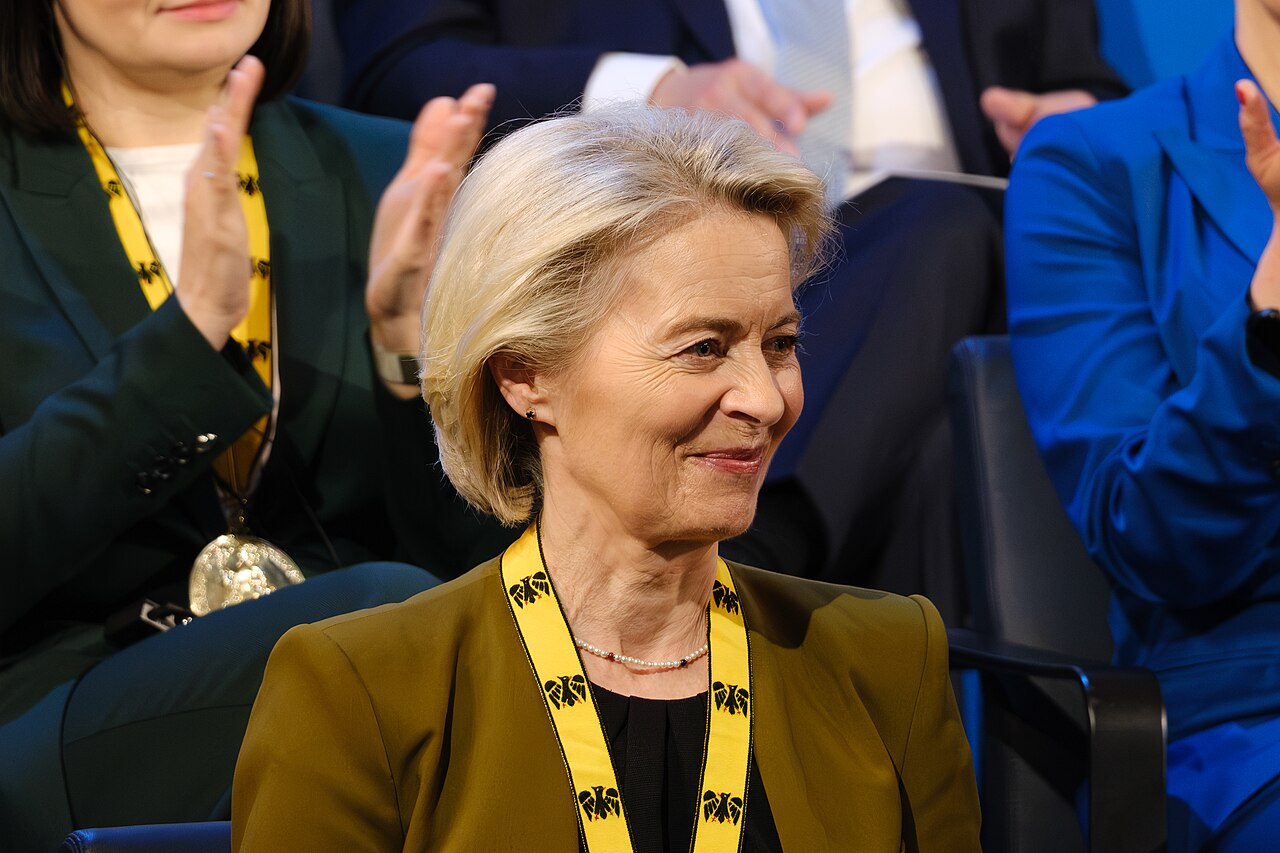
The European Commission presented a draft regulation on Thursday, called the Kids Act, aimed at limiting the use of social media by minors across the Union. The text provides for a total ban on access to social platforms for children under 13.
For the 13-to-15 age group, limited accounts are envisaged, with a cap of one hour a day and parental supervision. Up to the age of 18, video-sharing apps, chatbots and artificial intelligence capable of interacting with people would also be subject to restrictions.
Commission President Ursula von der Leyen presented the measure as a response to technologies that, she said, "non sono mai state concepite tenendo conto del benessere dei ragazzi" (were never designed with young people's well-being in mind). Platforms will have to demonstrate that their services are "safe by design", meaning safe from the design stage and suited to the age of their users.
A long road ahead
The proposal will have to go through the Union's approval process, which involves the 27 member states and the political groups of the European Parliament. Resistance and scepticism are expected between the Council and Parliament, and the outcome is not guaranteed.
On the enforcement side, the text leaves it to the platforms themselves to certify compliance with the new rules, through a compliance plan and independent checks. In case of infringement, penalties can reach 6% of a company's global annual turnover.
Behind the proposal looms a clash with major technology companies, touching on both regulatory and geopolitical grounds. In Brussels, threats of new tariffs made by US President Donald Trump after the EU's multi-billion fine against Google are still being felt. The Commission is therefore trying to strike a balance between firmness towards the platforms and caution towards Washington.
For families and schools, what is at stake is the time young people spend online and the consequences for their psychological and social well-being. It remains to be seen whether leaving it to the companies themselves to verify compliance with the rules will be enough to truly protect minors, or whether stricter public oversight will be needed.
Comments
There are no comments yet. Yours can be the first voice.