Switzerland Wealth
A mega-vault in the Brünig for the wealth of the super-rich
Some twenty caverns under more than a hundred metres of rock, sold on a 99-year building lease starting at around one million francs. Opening is planned for 2027.
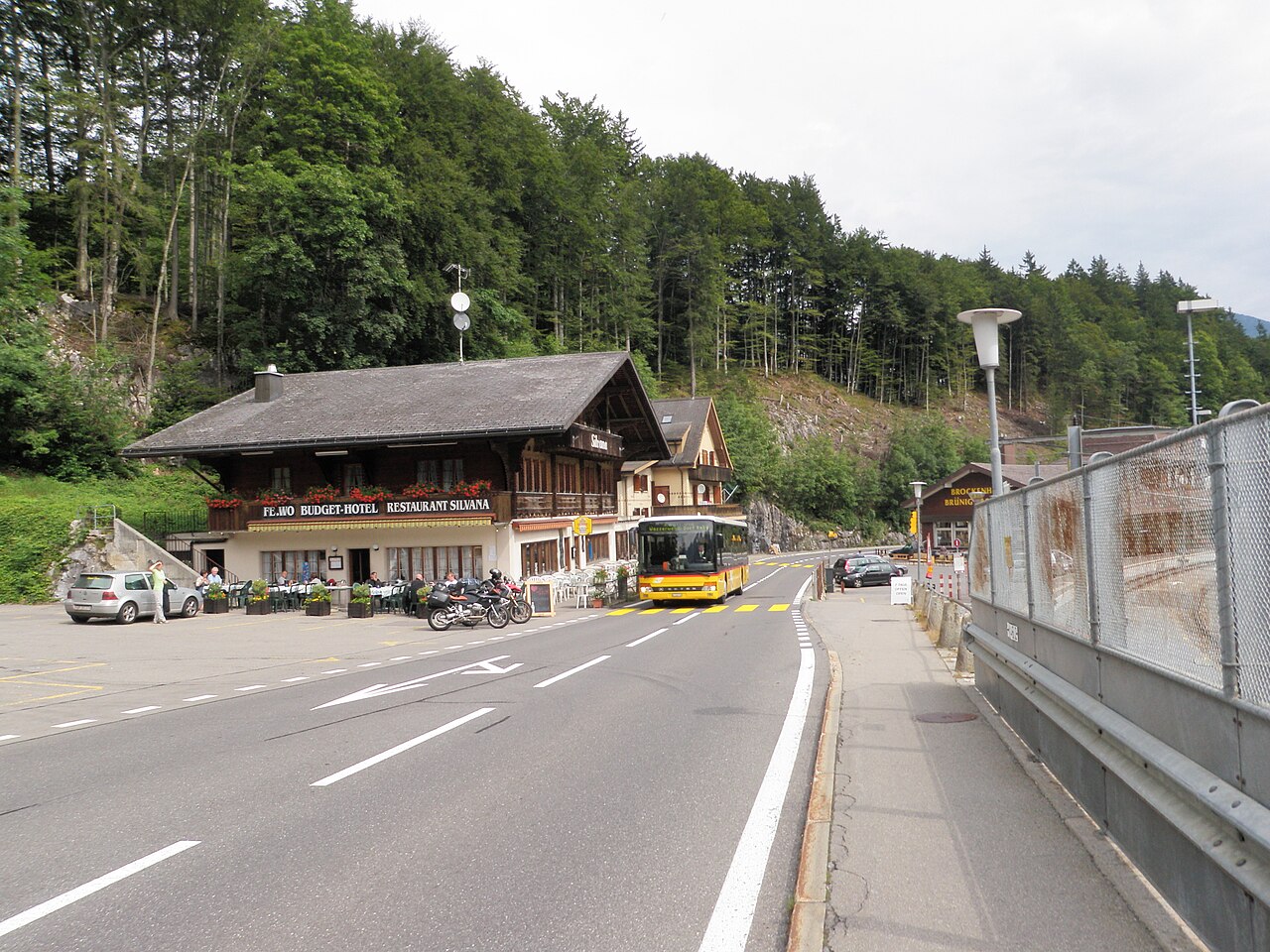
In the canton of Obwalden, near the village of Lungern and the Brünig pass, an underground complex is taking shape to hold the assets of clients with large fortunes. The project is called Brünig Mega Safe and is promoted by the entrepreneur Thomas Gasser, who chairs the company.
The scale is that of a civil engineering work. Some twenty caverns will be excavated under more than a hundred metres of solid rock. According to the promoters, the level of protection will be comparable to that of the Swiss National Bank. A route with several security checks is planned before the entrance, though no details have been released. Television crews were allowed to film only the access tunnels; the main chamber remained closed.
The business model is a property one. Individual caverns are sold with a 99-year building lease, starting at around one million francs. Buyers receive an entry in the land register and the ability to take out a mortgage: the vault thus becomes an asset in itself, not merely a storage service. Artworks, precious metals, collector cars and fine wines are expected inside.
What demand is saying
Gasser explains the venture by pointing to the changed international picture. Dubai was long considered a safe location, he says, and that safety is now being questioned; many people simply want to protect part of their wealth. It is the same logic that made Switzerland a destination for capital during the twentieth century, applied this time to physical goods rather than bank deposits.
Opening is planned for 2027. Local opinion is split between scepticism and enthusiasm, a division that recurs whenever a project brings investment to a peripheral region without bringing many jobs with it. An automated store under rock employs few people once construction is finished.
Several questions of public interest remain open. The first concerns transparency: assets kept in a private vault do not appear in any accessible register, and their traceability depends on the rules that apply to the operator. The second concerns how Alpine underground space is used, given that in these same years it is also being sought for energy storage and transport infrastructure.
There is also something the project itself makes visible. The construction of armoured depositories for private wealth is an indicator in its own right: it measures how much wealth is seeking physical protection, and how little its holders trust the alternatives.
Comments
There are no comments yet. Yours can be the first voice.