World Alpine pastures
Scorched alpine pastures in Ossola: Bettelmatt at risk, early descent
Coldiretti Novara-VCO reports dry grass and no water for livestock. Farmers will bring their animals down at least a month early, and there will be no second cut in the valley.
On the alpine pastures of the Verbano-Cusio-Ossola the grass has burned dry and the animals have no water. This is reported by Coldiretti Novara-VCO, which says farmers will have to bring their livestock down to the valley at least a month earlier than usual.
The early descent is not an organisational choice but the result of two compounding factors: water scarcity at altitude and a sharp reduction in available grass. Livestock businesses therefore face higher costs and have less fodder.
The Bettelmatt case
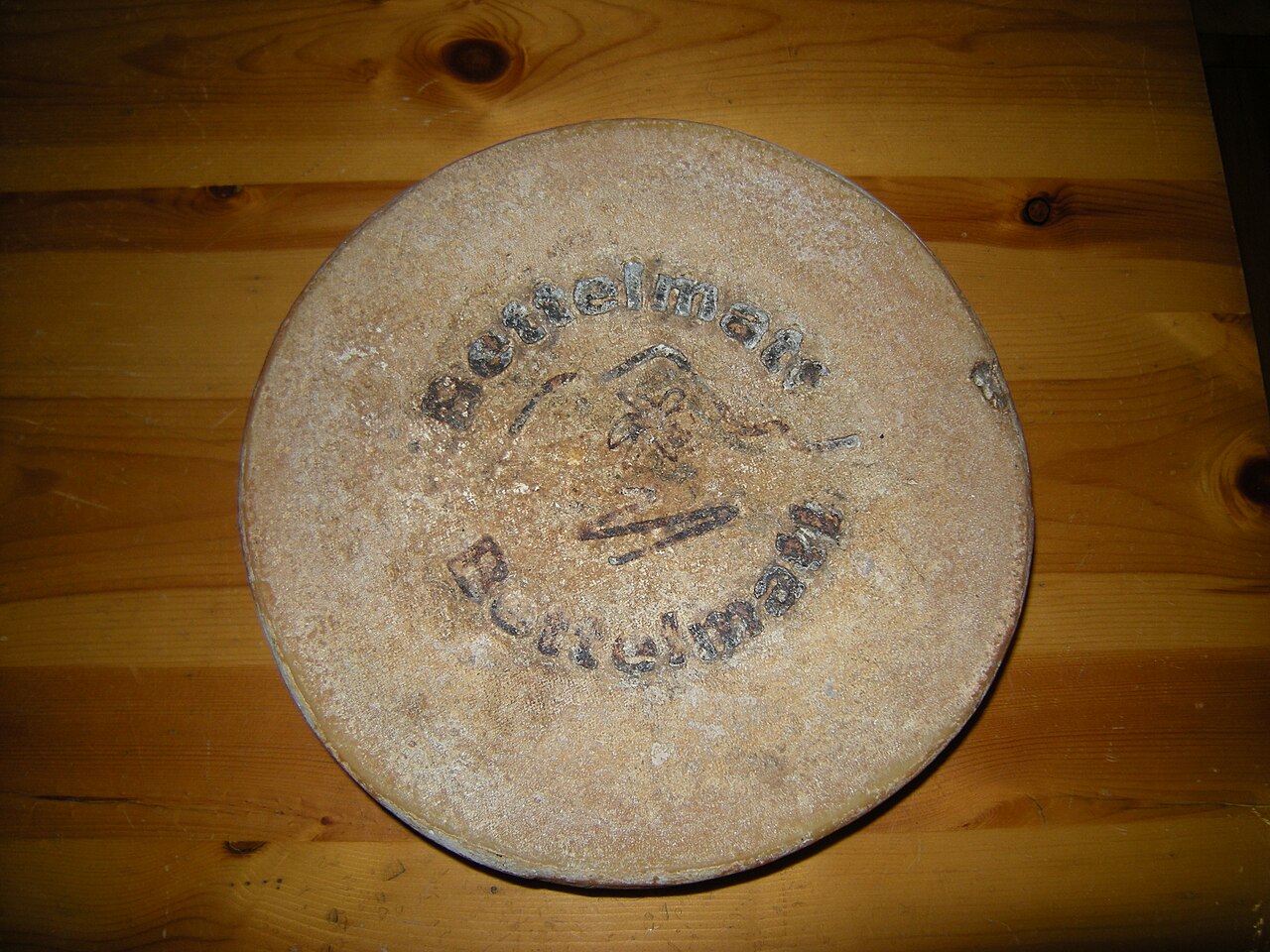
Among the products affected is Bettelmatt, an alpine cheese made only on nine pastures above two thousand metres, between the Antigorio and Formazza valleys. Its character depends on a specific grass, the muttolina, which is scarce this year because of the heat. Without that pasture production falls and the season is likely to end early.
The problems do not stay at altitude. Down in the valley too, Coldiretti reports, there will be no second cut. That cut normally provides much of the stock for autumn and winter, and its absence will mean buying fodder on the market in a year when prices are already under pressure from widespread drought.
"We are going through a decidedly worrying moment, never seen before," the farming organisation says, adding: "It has never happened that our farmers were forced to come down from the alpine pastures a month early."
The situation also concerns Italian-speaking Switzerland directly. The Ossola valleys border Ticino, and the two sides share the same alpine climate belt, the same alpine farming systems and, in several cases, the same markets for cheese and meat. In recent weeks water has been flown by helicopter to dried-out alpine farms in Ticino.
The question of who bears the cost of such summers remains open. Alpine farms work with narrow margins and limited seasonal labour, and a year of bought-in fodder can weigh on the accounts for a long time. An early return to the barn, repeated over several seasons, calls into question the economic viability of alpine farming, which is also what keeps high-altitude pastures open.
Comments
There are no comments yet. Yours can be the first voice.