Économie Coûts bancaires
Rester fidèle à une seule banque peut coûter jusqu'à 964 francs par an
Une étude de Moneyland.ch compare neuf grandes banques suisses sur cinq services de base. En répartissant les produits entre plusieurs prestataires, on obtient un solde positif de 229 francs.
Les Suisses restent en général fidèles à leur banque principale, et cette habitude a un coût mesurable. Une étude de Moneyland.ch a comparé les coûts globaux de neuf grands établissements helvétiques.
Le panier retenu comprend cinq services de base: le compte privé avec carte de débit, le compte d'épargne, la carte de crédit, l'usage de la carte à l'étranger et le pilier 3a.
L'écart entre le premier et le dernier
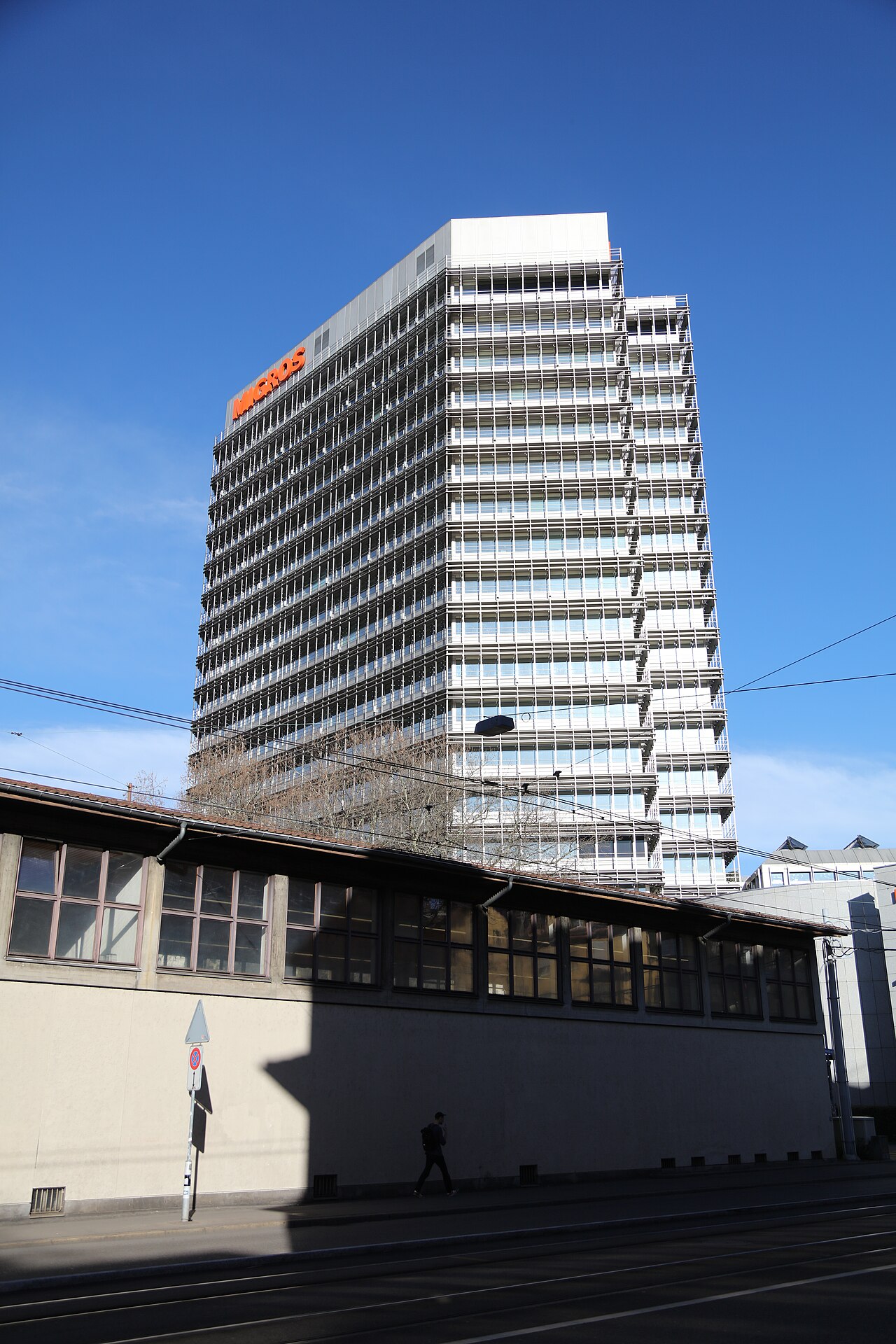
En regroupant tous les produits auprès d'un seul établissement, la Banque Migros se révèle la plus avantageuse avec 491 francs par an. Suivent la Banque cantonale de Zurich avec 597 francs, Valiant avec 607, PostFinance avec 736 et Raiffeisen avec 821. UBS ferme le classement avec 964 francs.
Le tableau change si les services sont répartis entre différents prestataires. Dans ce cas, l'étude aboutit à un solde positif de 229 francs par an, obtenu grâce aux intérêts et aux programmes de bonus.
Les économies se concentrent sur quelques postes. Le pilier 3a permet d'économiser entre 395 et 740 francs par an. Les cartes de crédit atteignent 216 francs, le compte d'épargne 180 et l'usage de la carte à l'étranger 101.
L'écart le plus marqué concerne le négoce en ligne. Pour une fortune d'environ 45'000 francs et douze opérations par an, les coûts vont de 345 à 855 francs auprès des banques traditionnelles, contre 68 francs chez Saxo Bank.
Ralf Beyeler, de Moneyland.ch, indique que le choix ne se situe pas entre deux extrêmes: «Il est tout à fait possible de garder certains produits auprès de sa banque principale et de choisir des prestataires meilleur marché pour d'autres services.»
L'étude cite quelques prestataires alternatifs pour les postes les plus coûteux. Pour les opérations en devises étrangères, elle mentionne WIR, Alpian et Wise. Pour le pilier 3a, elle énumère True Wealth, Liberty Green, Viac, Finpension, Neon et Frankly.
La comparaison porte sur les coûts directs des services. Elle ne tient pas compte du temps nécessaire pour gérer plusieurs relations bancaires, qui constitue la contrepartie pratique de l'économie calculée.
Commentaires
Il n'y a pas encore de commentaires. Votre voix peut être la première.