Economy Agriculture
Farm costs up and prices frozen: big retail in the dock
Faire Märkte Schweiz reports extraordinary costs of at least 25 per cent for vegetable growers with no price adjustment. Also at issue is a 3 per cent discount applied by Migros.
The dry summer is not only hurting harvests. According to the organisation Faire Märkte Schweiz, it is also exposing a distortion in how the Swiss agricultural market works: production costs are rising and supply is falling, but the prices paid to producers stay where they are.
In a market following supply and demand, the association argues, record heat and water shortages should push prices up. That is not happening. Swiss vegetable growers face extraordinary additional costs of at least 25 per cent, spent on intensive irrigation, refrigeration, labour and logistics, while yields and marketable volumes fall.
Comparison with the same period in 2025 shows prices up by only a few percentage points or, in most cases, unchanged. "If the market mechanism really worked, the surge in costs and the scarcity of product should translate into clear price signals; instead we are seeing a short circuit," the organisation argues.
The 3 per cent discount case
For the organisation, the mechanism is blocked by a few large retail players who impose fixed prices independent of climate variation. Contractual penalties for crop losses, often applied unilaterally, make it worse: farms bear the costs of the climate emergency alone while margins stay downstream.
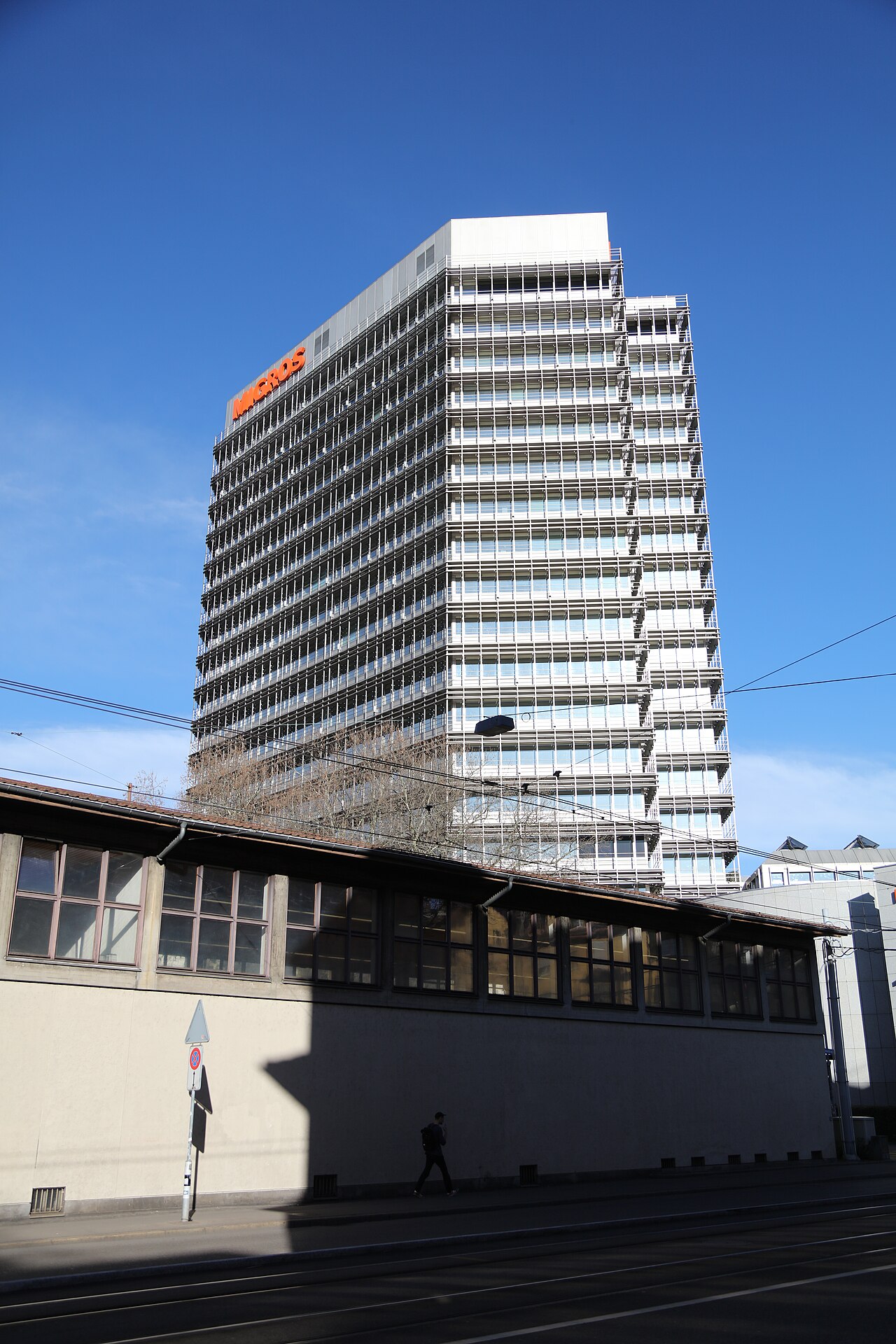
In May the organisation took a specific case to the Competition Commission. It concerns Migros's practice of applying a 3 per cent discount on the value of goods supplied by fruit and vegetable producers. According to the organisation this is a deduction disguised as early payment, because suppliers have no real choice between fast payment with a discount and full payment without a deduction. The cost to Swiss producers would be around 12 million francs a year, and the organisation speaks openly of abuse of economic dependence.
Migros takes the opposite view. The company says these contractual terms have been in use for decades, are legally sound and tested in practice, and maintains that it attaches great importance to fair dealings with suppliers and to fair pricing.
The association is now calling for structural intervention: price adjustments, an end to unilateral penalties, greater accountability for buyers, more scrutiny from the Competition Commission and effective rules against unfair trading practices.
The issue also touches Ticino, where vegetable growers in the Mendrisiotto and the Magadino plain have faced water restrictions and higher irrigation costs in recent weeks. Anyone selling to a single large buyer has little room to renegotiate, and the drought makes that imbalance more visible.
Comments
There are no comments yet. Yours can be the first voice.