Canton Second homes
In Locarno, the second-home cap holds only on paper
In Locarno, the share of second homes stayed just under the 20% threshold set by the Lex Weber law for years, partly because apartments rented on Airbnb were not counted as such. After the federal government corrected the calculations, the municipality can no longer build new second homes and must review building permits issued after it had already exceeded the threshold.
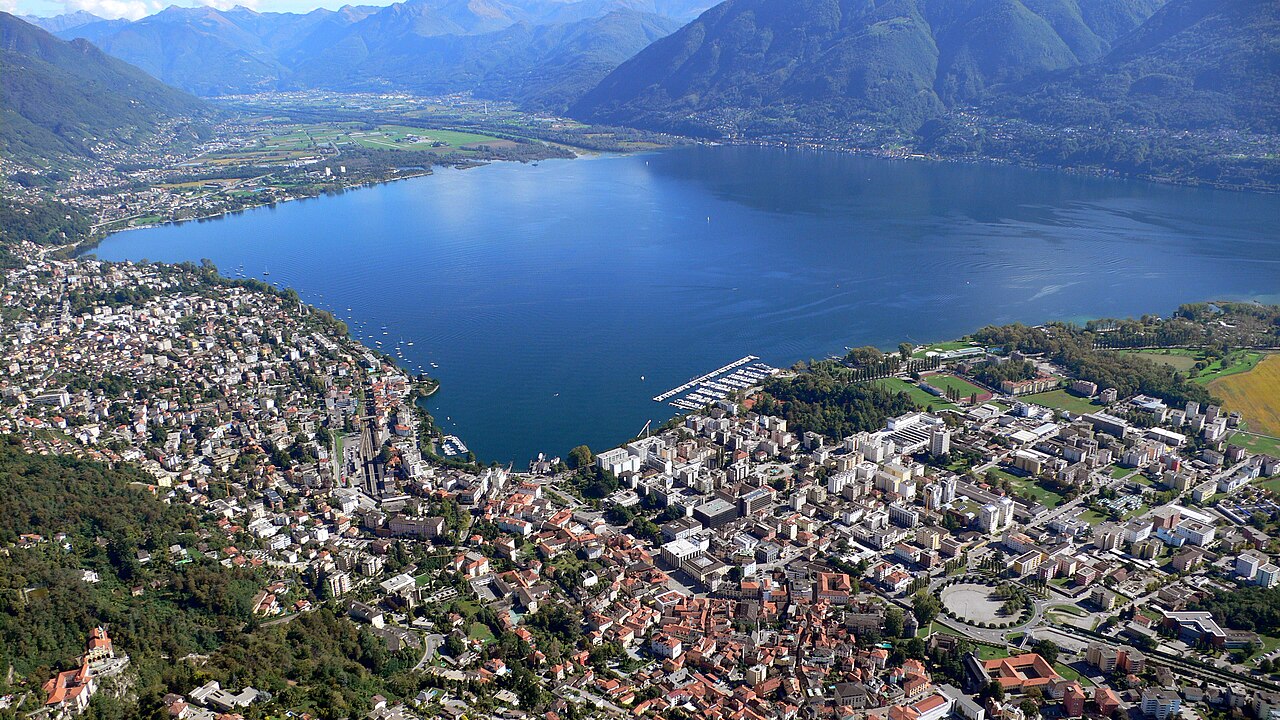
In Locarno, the line between a primary and a secondary residence has proven more elastic than expected. The Lex Weber law bans the construction of new second homes in municipalities that exceed 20% of the housing stock, but the main town of the Locarno region stayed just under that threshold for years, despite a growing number of permits for tourist apartments. City councillor Francesco Albi, who filed a formal question on the matter in December 2024, points to the Residenza Vivian building on the lakefront, where most apartments are rented out on platforms such as Airbnb.
The municipal government justifies the gap with a methodological choice: tourist accommodations are not counted as second homes, but as commercial activities. Mayor Nicola Pini defends the choice, based on a 2021 letter from the cantonal government and a subsequent change to cantonal law. In October 2023, however, a circular from the cantonal Section for Local Authorities told all municipalities that renting to tourists does not change a dwelling's classification for counting purposes. Locarno chose to rely on an external expert opinion and keep its own approach.
Accounting reshuffles and a halt from Bern
Between September and December 2025, two accounting corrections brought the share of second homes down from 22.14% to 19.57%, putting the municipality back under the threshold; the mayor rejects the idea of a convenient adjustment. In February, after a recalculation confirmed the threshold had been exceeded, the Federal Office for Spatial Development ruled that no new second homes could be built in Locarno.
What remains unclear is the fate of permits issued while the municipality was already over the threshold: the cantonal Department of Territory has ordered them reviewed one by one starting from March 31, 2025, with those that conflict with the law considered void. In 2025, nine permits were granted for multi-family buildings, with 10 second homes out of 128 apartments. For the banking sector, the risk remains limited: a building permit that has become final, notes Michele Andina of BancaStato, benefits from the principle of legal certainty; even if one were annulled, he adds, a solution would be sought with developers to limit the risk for the bank.
The underlying issue is economic: according to architect Hermes Killer, second homes sell for 10 to 20% more than primary residences, a margin that explains developers' interest even in the future district on the former gasworks and slaughterhouse site, where the new plan allows up to 25% second homes on municipal land once earmarked for affordable rental housing. Killer objects to that choice; the municipal government says it is open to discussion, but defers the decision to the zoning plan commission.
In Gordola, second homes make up 29% of the housing stock, compared with 55% in Ascona and 77.7% in Ronco sopra Ascona, but requests to convert primary residences into second homes are rising. Councillor Bruno Storni points to an under-discussed effect: fewer residents mean less tax revenue, while infrastructure still has to be sized for summer peaks, with the cost falling on other residents. The municipality has commissioned an outside planner to map conversions ahead of a zoning-plan amendment, with an exception already announced for the historic centre.
Comments
There are no comments yet. Yours can be the first voice.