World Diplomacy
Trump and Xi meet in Washington, amid trade truce and AI concerns
On Wednesday the Chinese president visits the White House for the first time, for his sixth meeting with Trump. On the agenda: the paused trade war and growing concerns over artificial intelligence.
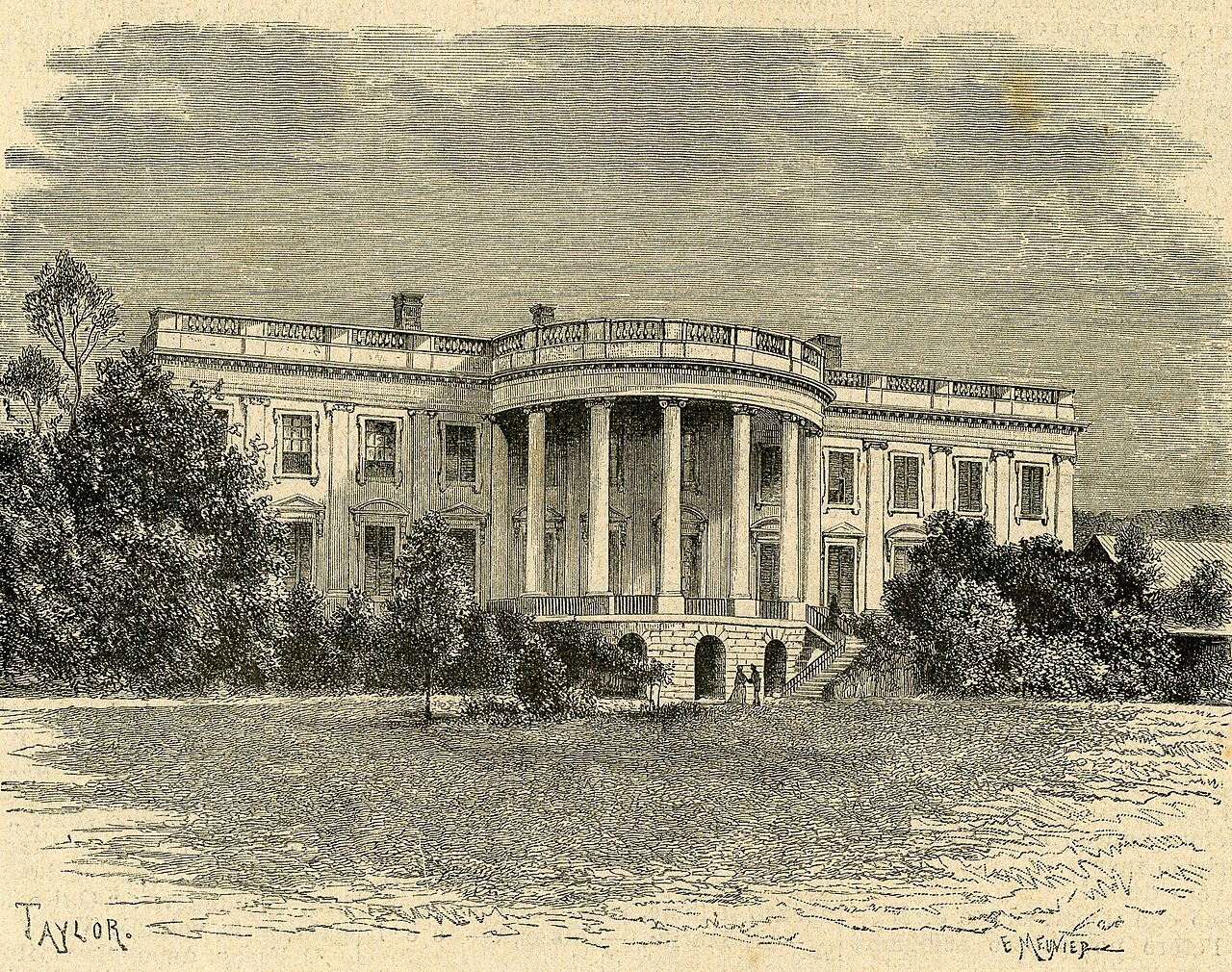
From Wednesday, international attention turns to Washington, where the sixth face-to-face meeting between Donald Trump and Xi Jinping is expected, the first at the White House. The Chinese president's last visit there dates back to September 2015, when Barack Obama was still leading the United States.
The meeting includes an airport welcome, a first in US protocol, and a state dinner. It follows Trump's visit to Beijing last May. In the background remain a trade war currently on pause, growing concern over developments in artificial intelligence and, on the American side, worry over the continuing conflict in Iran, from which Beijing intends to stay out.
Kyle Chan, an analyst at the Brookings Institution and an expert on artificial intelligence, does not expect major results from the summit. In his view, the most likely scenario is a temporary extension of the trade truce signed last year in Busan, South Korea, alongside continued negotiations. Chan notes that both countries want stability, aware of each other's capacity to create problems. He describes negotiations between Washington and Beijing as a water polo match: calm on the surface, but marked by a fierce struggle underwater.
Concerns over artificial intelligence
The issue of AI has forcefully entered the dialogue between the two powers. According to Chan, China remains behind Silicon Valley, but not by much: it manages to offer comparable performance at much lower cost, as shown by the launch of the DeepSeek model in February 2025. The estimated gap with the United States is six to nine months.
The concerns, the analyst explains, differ between the two countries. In the United States, there is a widespread fear of artificial intelligence escaping human control on a global scale. In China, this scenario is not a topic of debate: authorities focus instead on social and political risks, namely the possibility that AI could escape a certain kind of control over society.
A genuine agreement on artificial intelligence nonetheless remains unlikely, according to Chan: mutual distrust runs deep, with Beijing accusing Washington of wanting to slow its technological development, and Washington accusing Beijing of appropriating American technology. Chan is also skeptical that the control mechanisms used for nuclear weapons could be replicated for AI, since, unlike uranium enrichment, the development of artificial intelligence does not lend itself to verifiable inspections.
Despite this, the analyst does not rule out a joint declaration on the willingness to cooperate on AI safety. A symbolic gesture that would let both leaders claim a leading role in the governance of artificial intelligence, without slowing down their respective technological development programs.
Comments
There are no comments yet. Yours can be the first voice.