World Military exercises
Taiwan spends ten days testing its defence against invasion
The Han Kuang manoeuvres run from 5 to 14 August and simulate an attack concealed within routine exercises. On 10 and 13 August mobile network speeds will be cut for half an hour.
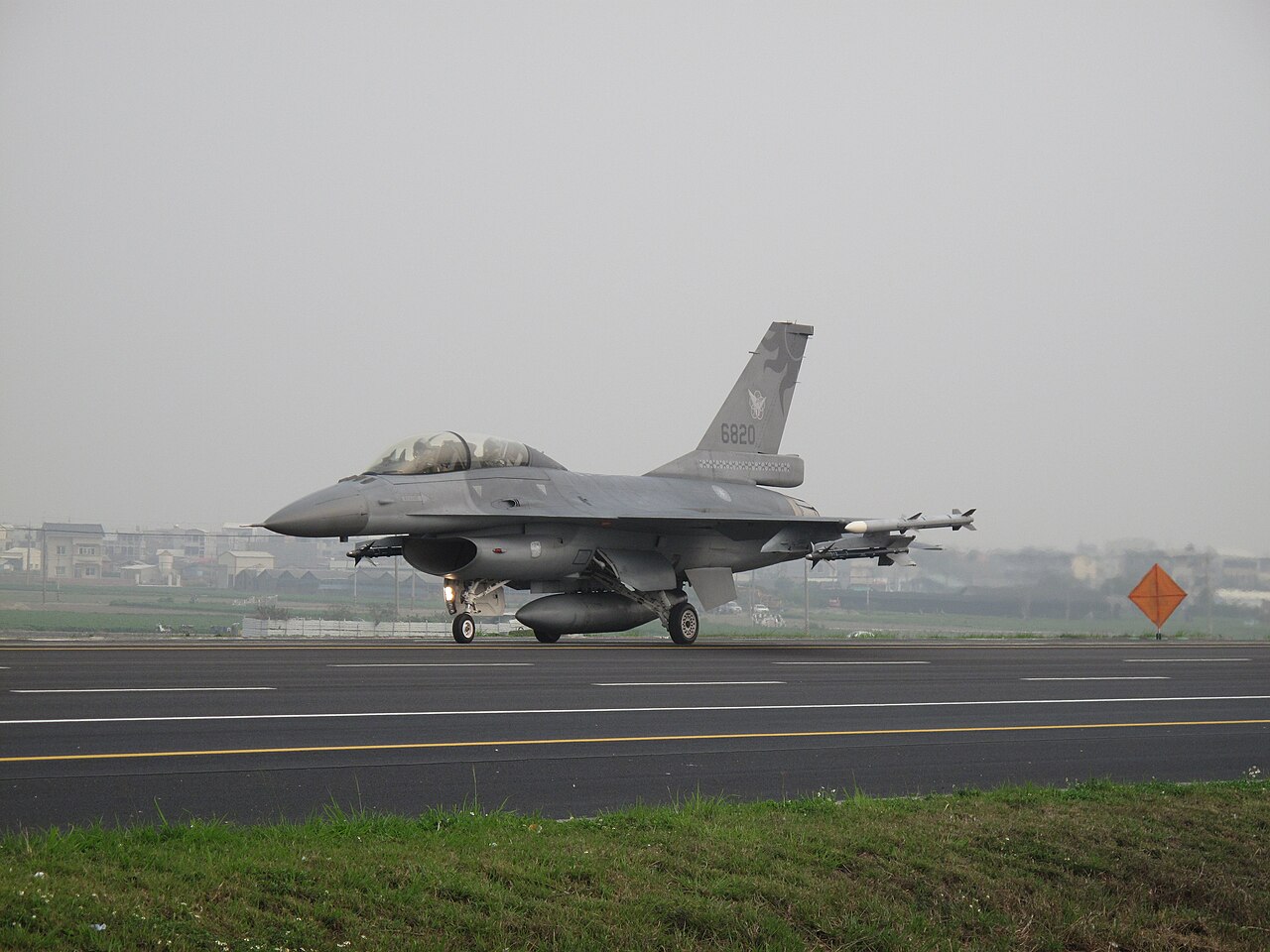
Taiwan has begun the Han Kuang military exercises, running from 5 to 14 August. The manoeuvres have been held annually since 1984 and serve to test the island's defensive capacity against a possible Chinese invasion.
The defence ministry has built a precise scenario. Beijing would conceal preparations for the attack within routine military exercises, making it hard to tell training apart from the real operation.
Ten days of simulations follow, set out in phases. They begin with the mobilisation of forces and the protection of energy infrastructure, move on to amphibious defence and defence inland, and end with the capacity to sustain a prolonged conflict.
What is new this year
Among the new components is the debut of the American M1A2T Abrams tanks. The Coastal Combat command also enters service, bringing together anti-ship missiles, radar, coastal surveillance and unmanned systems.
The manoeuvres further include the full mobilisation of two reserve brigades, some five thousand people in total. The aim is to test call-up procedures on a large scale.
Another simulation concerns industrial capacity. It tests the relocation of military production lines and the conversion of civilian factories to defence manufacturing.
Civil defence is directly involved. Air raid sirens will direct people towards underground shelters. On 10 and 13 August mobile network speeds will be deliberately reduced for around thirty minutes, so as to simulate a cyberattack or a breakdown in communications.
Taken together, the exercises point to a change of approach. Alongside conventional weaponry, Taiwan is putting electricity grids, data centres, logistics, supply chains and continuity of services at the centre.
Analysts nonetheless point to shortcomings in the acquisition and deployment of weapons. The island is waiting on delayed American deliveries and on an arms package that remains frozen.
Domestically the picture is equally uncertain. Opposition parties are resisting rearmament measures, and cuts have already been approved to the defence budget and to the military drone development programme.
Comments
There are no comments yet. Yours can be the first voice.