Economy Artificial intelligence
Nvidia teams up with finance for 500 billion in AI infrastructure
Six large asset managers will work with the chipmaker to fund data centres and energy plants. The announcement gives neither a timetable nor a structure.
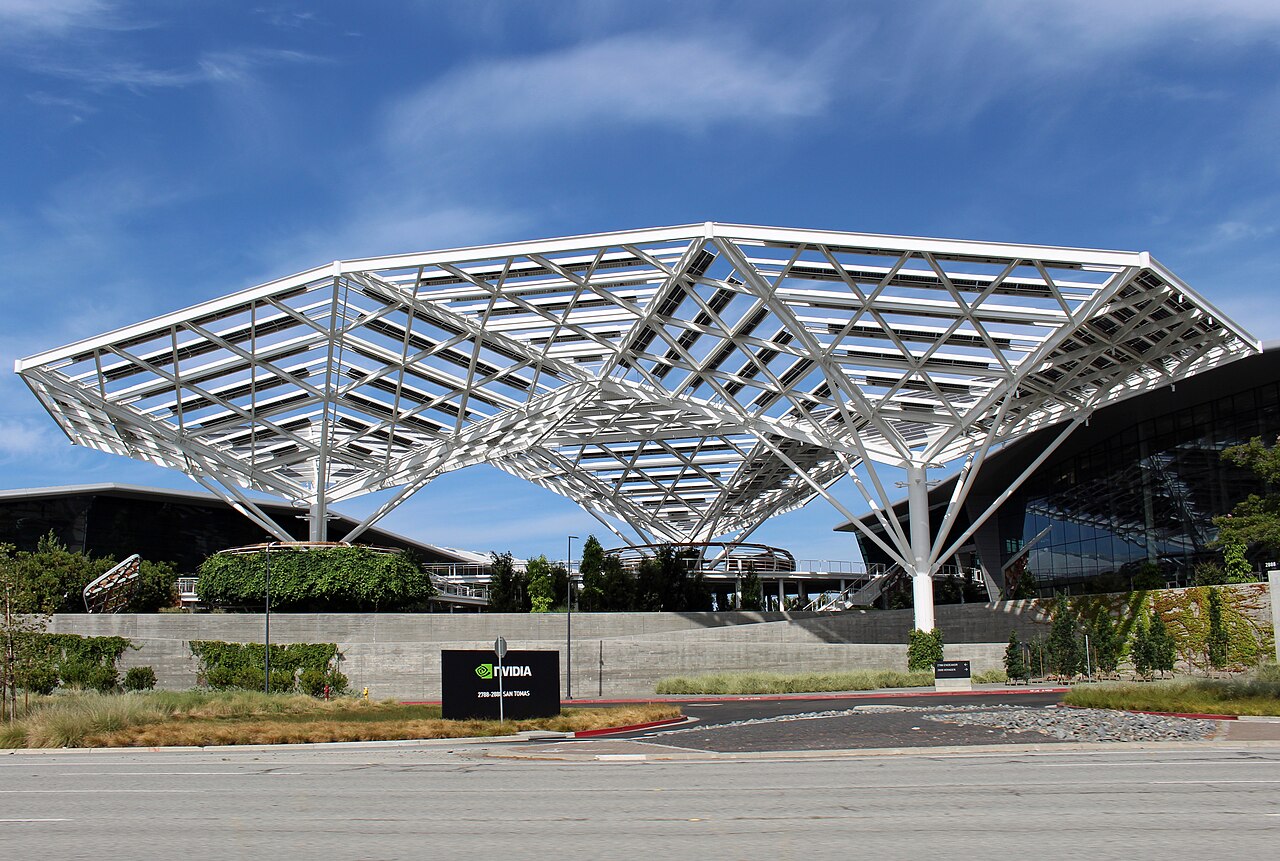
Nvidia has announced an alliance with six of the world's largest asset managers to mobilise more than 500 billion dollars for artificial intelligence infrastructure. Around the table sit Apollo Global Management, BlackRock, Blackstone, Brookfield Asset Management, Goldman Sachs and KKR.
The idea is to build financing platforms giving the chipmaker's customers access to capital at competitive rates. The money is meant to speed up the construction of data centres, energy infrastructure and what the company calls AI factories, in various parts of the world.
Founder and chief executive Jensen Huang presented the operation as bringing together the leading providers of long-term capital, with the aim of funding AI infrastructure independently. According to executives most of it will run through debt, meaning loans and fixed-income instruments rather than equity stakes, and several negotiations are said to be under way already.
The announcement gives the figure but not the timetable or the legal structure of the initiative. It is not clear over how many years the 500 billion would be deployed, how risk will be split among the six managers, or who answers if demand for computing power grows more slowly than expected.
A supplier financing its own customers
The structure deserves more attention than the number. Nvidia sells the processors on which much of artificial intelligence runs and, with this move, also helps its buyers find the means to purchase them. The arrangement is familiar in capital-intensive sectors, from telecommunications to aviation, and it supports orders for as long as the cycle holds.
The other side is equally familiar. When financing and supply belong to the same chain, a slowdown in demand hits not only revenue but also the quality of the credit extended to generate it. That is why supervisors have, over the years, watched this kind of chain closely.
Then there is the energy chapter. The data centres announced need electricity, grids and permits, and it is those variables, rather than capital, that have slowed projects in Europe and the United States in recent years.
Comments
There are no comments yet. Yours can be the first voice.