Culture Cinéma et festival
Nazzaro : à Locarno, le cinéma n’est pas réservé à quelques-uns
Le directeur artistique du Locarno Film Festival rejette l’idée d’une manifestation réservée aux seuls initiés. Il défend une programmation ouverte, attentive aussi aux transformations liées à l’intelligence artificielle.
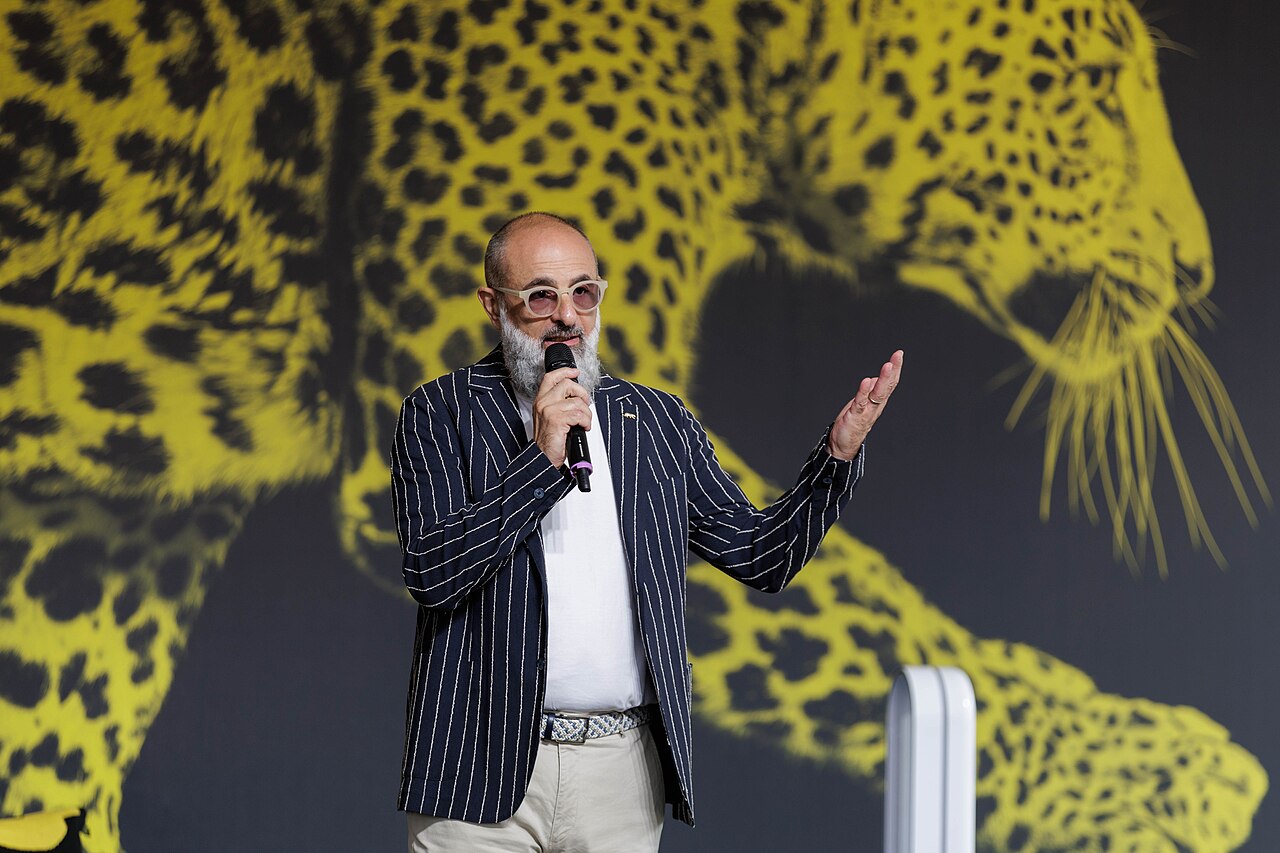
À moins de trois semaines de l’ouverture de la 79e édition, Giona Nazzaro revient sur le rôle du Locarno Film Festival. Il rejette l’image d’une manifestation destinée à quelques spécialistes. « Il luogo comune che mi fa alzare gli occhi al cielo è il pregiudizio secondo cui i film di Locarno non vanno oltre Chiasso. Era falso, è sempre stato falso » (Le lieu commun qui me fait lever les yeux au ciel est le préjugé selon lequel les films de Locarno ne vont pas au-delà de Chiasso. C’était faux, cela a toujours été faux), a déclaré le directeur artistique à Keystone-ATS.
Nazzaro en a parlé à Lausanne, où se tenait jusqu’au lendemain de l’entretien le cinquième Open air Locarno Film Festival. La manifestation propose, sur un écran installé dans le quartier de Plateforme 10, plusieurs films présentés lors de la manifestation tessinoise.
Selon le directeur artistique, de nombreuses œuvres découvertes à Locarno poursuivent leur parcours après le festival. Il cite notamment Blue Heron, premier long métrage de la Canadienne Sophy Romvary, acquis par le distributeur américain Janus Films. Il rappelle aussi Gioia mia de Margherita Spampinato. Ce film sicilien a été réalisé avec un budget réduit. Il est devenu l’un des titres les plus appréciés par la critique cette saison.
Pour Nazzaro, la difficulté ne concerne pas la force du festival auprès des cinéphiles. La limite serait plutôt la curiosité de la distribution pour certaines œuvres. Il ajoute que la programmation ne naît pas de la recherche de films capables de faire sensation. Elle résulte de la confrontation entre les caractéristiques des œuvres sélectionnées.
Une conception large du cinéma
Le directeur refuse aussi la séparation entre cinéma populaire et cinéma d’auteur. Reprenant une phrase de Jean-Marie Straub, il affirme que « il cinema, per sua natura, è sempre popolare » (le cinéma, par nature, est toujours populaire). L’expression « film d’élite » serait en revanche surtout liée au marché et aux ressources économiques.
Sa conception du public comprend des spectateurs prêts à passer d’œuvres très différentes les unes des autres. Nazzaro invite également à ne pas considérer les jeunes comme une simple continuation des générations précédentes. Il faudrait commencer par découvrir les films qui les intéressent.
La même attitude vaut pour l’intelligence artificielle. Locarno a déjà présenté des œuvres qui en exploitent les possibilités, notamment Dracula de Radu Jude et Cartas Telepáticas d’Edgar Pêra. Nazzaro ne la considère pas comme positive ou négative en soi. « La vera questione è politica » (La véritable question est politique), affirme-t-il. Il désigne comme thème central l’effet de la technologie sur le rapport au savoir.
En parlant de l’histoire du cinéma, Nazzaro cite Roberto Rossellini et Ingrid Bergman comme compagnons idéaux pour une projection sur la Piazza Grande. Il aimerait présenter Voyage en Italie, réalisé par le couple en 1954, avant de remettre une distinction à Isabella Rossellini, récompensée cette année à Locarno. « Rossellini è sempre il regista che mi viene in mente. Per me è l’alfa e l’omega del cinema » (Rossellini est toujours le réalisateur qui me vient à l’esprit. Pour moi, il est l’alpha et l’oméga du cinéma), dit-il.
Images et vidéos
Commentaires
Luca
esagerati