World Parliamentary election
Latvia, exit polls: outgoing PM Kulbergs's Lista Unita leads
Exit polls put the Lista Unita of outgoing Prime Minister Andris Kulbergs in the lead with 35.6% of the vote. Kulbergs will have to form a coalition to stay in power, while populist parties also do well.
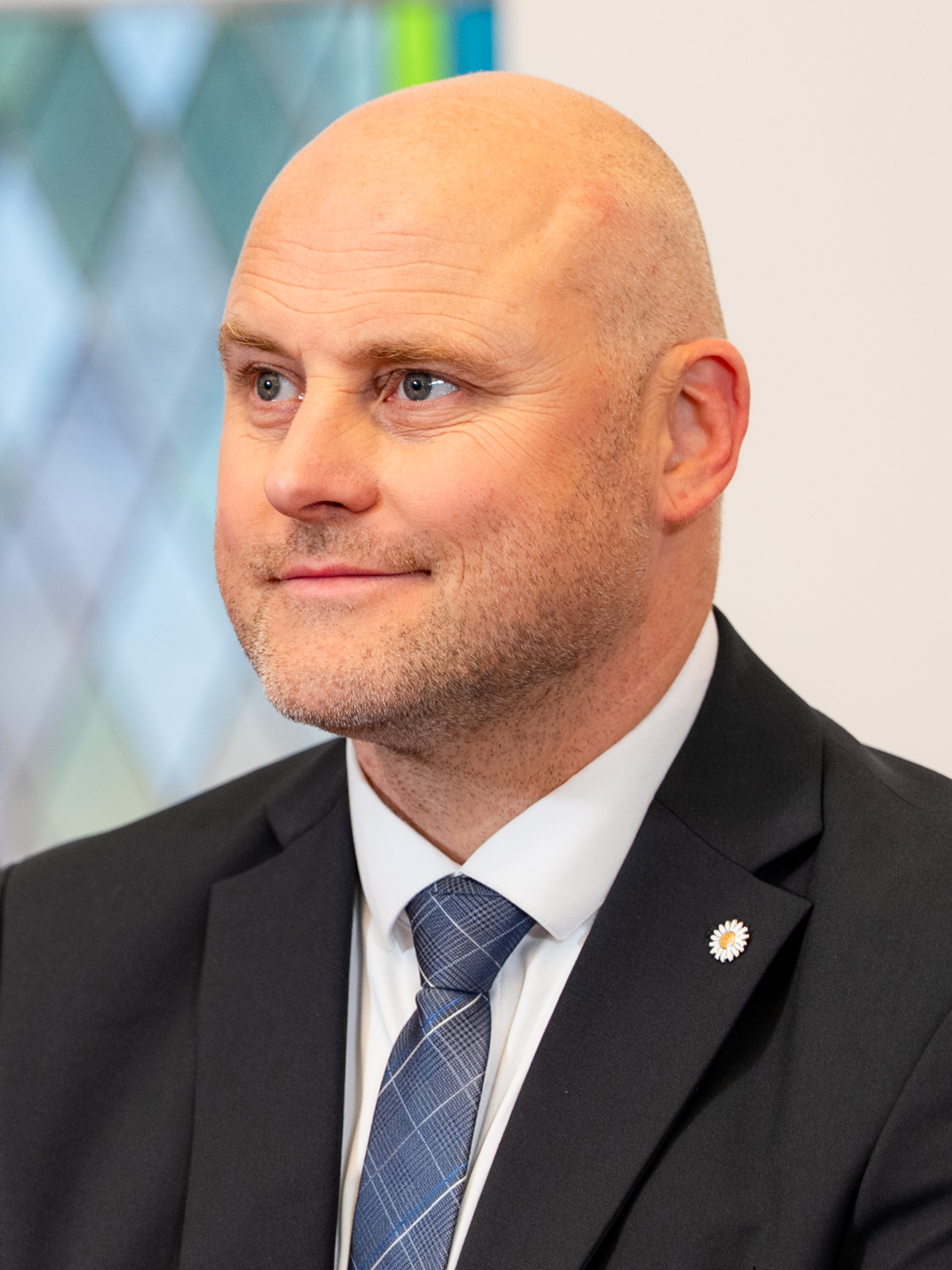
Latvia has held parliamentary elections. According to exit polls published by the public media outlet LSM, the Lista Unita of incumbent Prime Minister Andris Kulbergs leads with 35.6% of the vote. Compared with the previous election, the party gains 24 percentage points.
The result confirms earlier polls. The vote indicates that the Baltic country should not change its pro-European and pro-Ukrainian course. Kulbergs supports strengthening Latvia's military.
The news agency Reuters writes that the result was largely expected. According to the same exit polls, however, the outgoing prime minister will have to build a coalition with other parties to stay in power.
The rise of populists
Populist parties also do well. The right-wing, populist and pro-Russian alliance formed by Suverena vara, led by Julija Stepanenko, and the Alliance of Young Latvians is gaining ground.
The alliance wins 10.6% of the vote and contests second place in a close race. Lettonia Prima, the populist party of magnate Ainars Slesers, described as a Latvian Trump, takes 11.3%. I Progressisti, a pro-European social democratic party, reaches 11.1%.
Populist parties could do better in the final results, because their voters are more reluctant to admit in polls that they support more radical parties. The analyst Roberts Kits, of the Latvian think tank LaSER, expects the largest difference from the exit polls to concern parties backed by Russian-speaking voters, namely Suverena vara and Lettonia Prima.
The big loser is the Union of Greens and Farmers (Zzs). With 3.7% of the vote, it falls short of the 5% threshold. For decades the party was part of the leadership of the Latvian government. In 2004 it helped make Latvia the first EU country with a Green head of government.
About 1.5 million eligible voters were called to vote in the eleventh parliamentary elections since independence from the Soviet Union in 1991. Fourteen parties competed for the 100 seats of the Saeima, the single-chamber parliament, under a proportional system.
The campaign was dominated by rising living costs and security concerns, since Latvia borders both Russia and Belarus. About 35% of the population is Russian-speaking, though analysts stress that this group is not a homogeneous bloc.
The Russian-speaking vote, long gathered around a single party, Harmony, which left parliament in 2022, is in full transformation. A growing share of this electorate votes on economic and social criteria, particularly for populist parties. Identity questions, however, have not disappeared.
Many Latvians complain of high prices and low wages. The economy is stagnant. The health system is under pressure. Emigration and an aging population remain persistent challenges.
Lettonia Prima gained support with a conservative message and promises of economic revival. The party could become an indispensable partner in coalition negotiations.
The big question, according to political analyst Sigita Struberga, secretary general of the Latvian transatlantic association LATO, is whether the Lista Unita will cooperate with Slesers' party. Struberga considers it too early to predict the composition of any future coalition with precision. The real percentages must be awaited, as they could differ slightly from those observed so far.
Comments
There are no comments yet. Yours can be the first voice.


.png)