World Water crisis
Europe's great rivers at record lows, from the Po to the Rhine
The Po has hit a historic low at Cremona and the Rhine has reached levels never recorded in the Netherlands. On the Danube, water scarcity has already shut down a nuclear plant in Hungary.
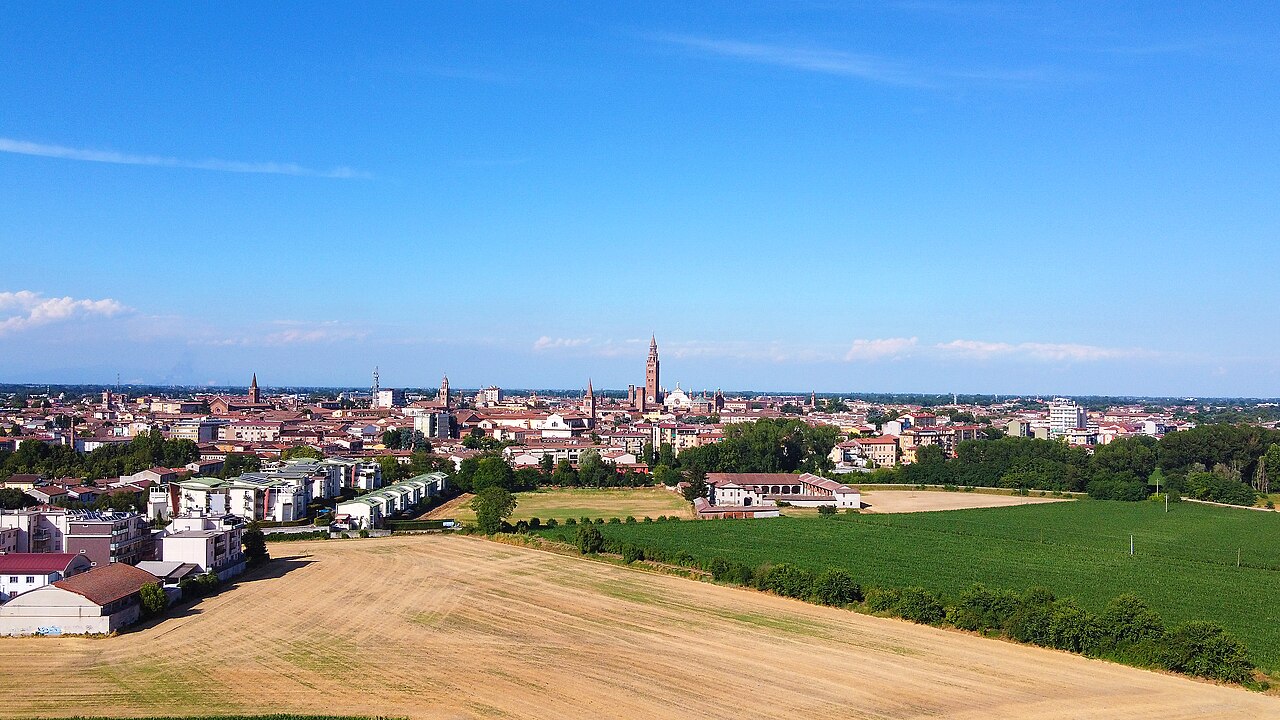
Europe's main rivers are going through an exceptional period of low water. The Po hit a historic low at Cremona, more than nine metres below its hydrometric zero. The low level has allowed saltwater to move up into the delta, with consequences for the area's ecosystems.
The Rhine is recording critical levels. In the Netherlands these are the lowest values ever measured, while at Basel navigability is severely reduced.
On the Danube, water scarcity has already affected energy production. In Hungary a nuclear power plant was shut down because there was not enough water for cooling. In Romania the Cernavoda plant required emergency measures, with the army blasting a rock to increase the flow towards the reactor.
Switzerland has already known a similar situation. The Beznau nuclear plant had suspended operations because of low levels in the Aare.
Who decides how water is used
Alessandro Bratti, a member of the Italian energy regulator, observes that the availability of water was long taken for granted. For that reason, he explains, neither the quality nor the quantity of the resource was addressed in time.
Bratti recalls that the Po depends to a significant extent on glaciers. Their retreat has reduced the reserve that in the past released water during the warm season.
On the regulatory side he points in a clear direction. He considers supra-regional and cross-border bodies necessary, able to decide how water resources are used. In his view decisions should follow the boundaries of river basins rather than administrative ones.
There is then a question of balance among users. Agriculture takes 65% of the Po's water but remains largely unregulated. Household consumption, which weighs far less, is by contrast subject to rules and restrictions.
That imbalance matters when families are asked to cut their consumption. Saving measures aimed at households affect a small share of total withdrawals, while the bulk of the volumes remains outside any common framework of rules.
For Italian-speaking Switzerland the question is not remote. Alpine basins feed watercourses that cross several countries, and decisions taken downstream depend on how much water arrives from upstream.
Comments
There are no comments yet. Yours can be the first voice.