Switzerland Society
Why Switzerland is a model for bathing in urban rivers
The habit of swimming in the Aare, the Rhine and the Limmat began in the nineteenth century and survived industrial pollution thanks to water treatment. Today more than 120 cities in 40 countries look to this example.
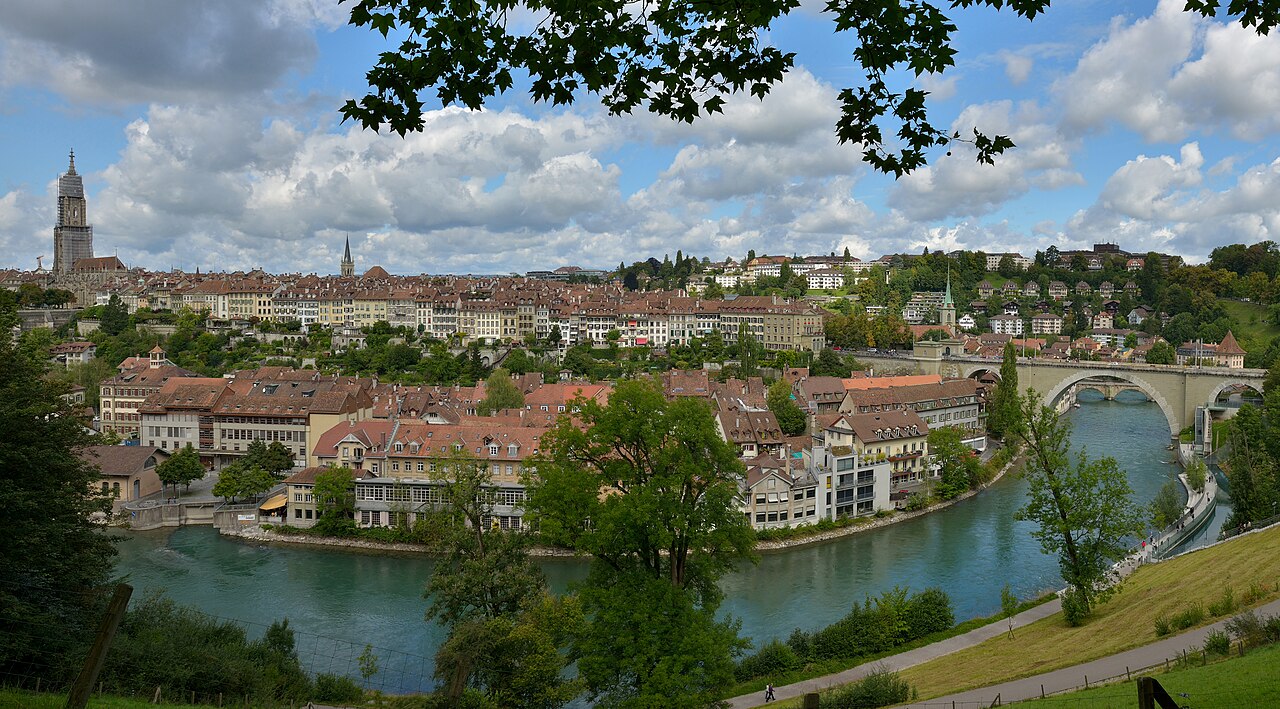
Swimming in the river that runs through the city is an ordinary practice in Switzerland. The Aare in Bern, the Rhine in Basel and the Limmat in Zurich are used throughout the summer.
The origin of the habit is practical rather than recreational. At the start of the nineteenth century homes had neither bathrooms nor running water, and watercourses served mainly for washing. Towards the end of the century swimming spread as an activity and the first bathing establishments appeared, some of which still exist.
From industrial decline to recovery
By the middle of the twentieth century industrialisation had damaged water quality. Many rivers were too polluted for bathing.
Recovery came around the 1960s and 1970s, with the construction of modern treatment plants and stricter environmental rules. That step is what made the present situation possible.
Investment did not stop there. The bathing area in Bern's Lorraine district underwent a 22 million franc refurbishment. Other well-known facilities are the Schwäbis in Thun and the Untere Letten in Zurich.
International attention followed. CNN described the Aare as perhaps the best river in the world to swim in, noting that the water comes directly from the Bernese Alps.
Today more than 120 cities in 40 countries take part in the Swimmable Cities Alliance, which promotes the restoration of urban rivers and lakes. The combination of clean water, well-kept infrastructure and an established bathing culture makes Switzerland a reference point, and Basel, Bern and Zurich are cited among the pioneering cases.
The alliance's next meeting is scheduled for 11 and 12 August in Basel.
Images and video
Comments
There are no comments yet. Yours can be the first voice.