Economy Nestlé in Russia
Moscow places two Russian Nestlé companies under external administration
A decree signed by Vladimir Putin strips Nestlé of control over two Russian subsidiaries, which will now be managed by the Russian company L.E.V. Management. The Swiss group remains the owner but can no longer freely dispose of its stakes.
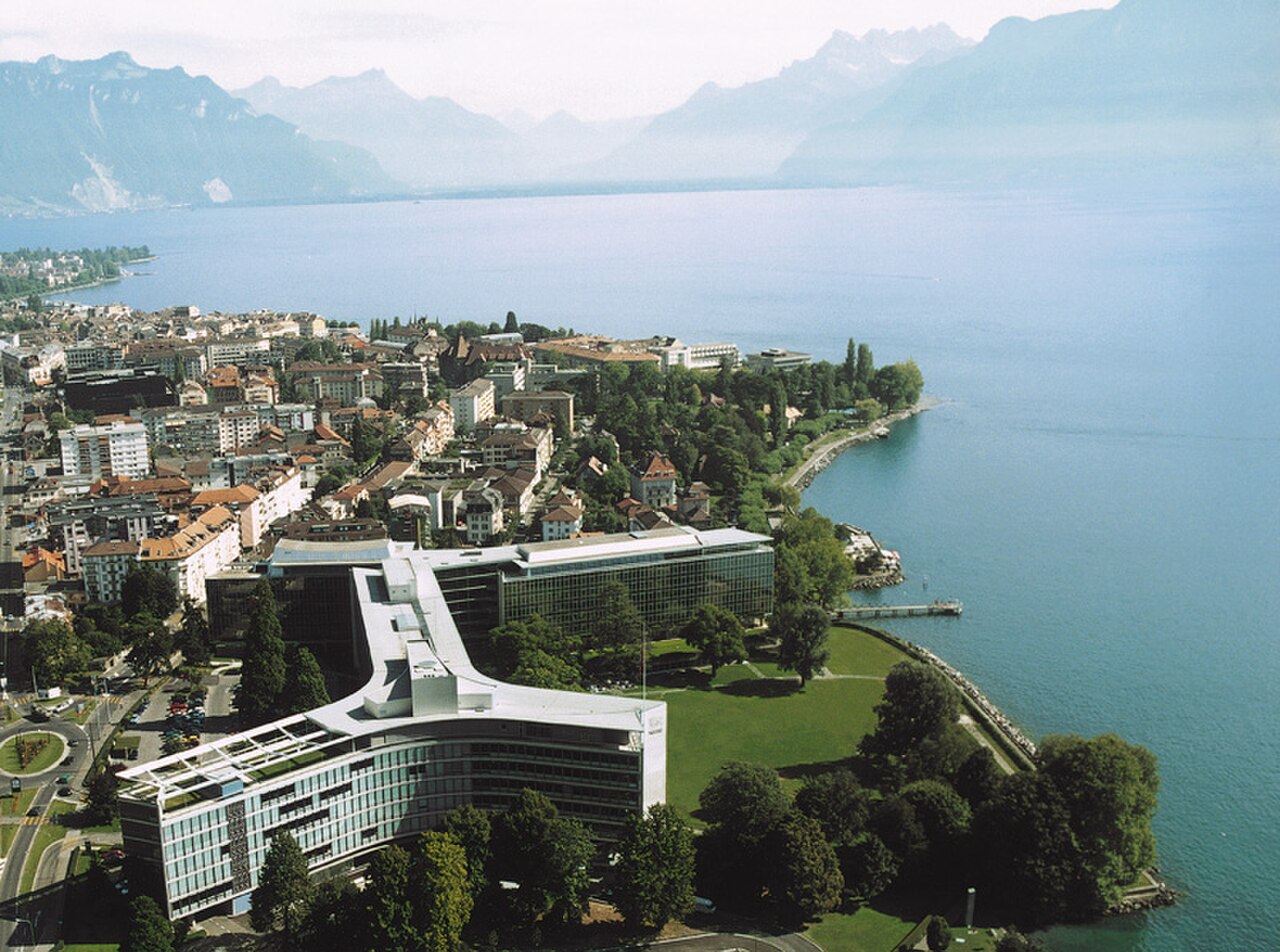

Vladimir Putin has signed a decree placing two Russian subsidiaries of Nestlé, Nestlé Russia and Nestlé Kuban, under external administration. The decree, made public on Friday, transfers the management of the stakes held by Nestlé's holding companies in Switzerland and Germany to the Russian company L.E.V. Management.
Nestlé formally remains the owner of the two companies but, for now, loses the ability to dispose of them independently. Asked by the news agency AWP, a Nestlé spokesperson was initially unable to specify the practical consequences of the measure.
An already tense climate
The decision follows a request made in August by the Russian company KS Logistika, which had asked Putin to place five Russian Nestlé companies under external administration. At the time, the Vaud-based group had stated that it had not been contacted by the authorities and ruled out withdrawing from the Russian market.
Russia has for some time tightened the regulatory framework for foreign companies, introducing tools that give the state greater influence over the management of businesses operating on its territory. The Nestlé case shows that these tools can also be used against groups that, unlike many Western competitors, had chosen not to leave the country.
In Russia, Nestlé generates about 2% of the group's total revenue, through six production sites making, among other things, coffee, confectionery, baby food and pet food. A limited share in revenue terms, but one that now exposes the company to a risk that is more legal than commercial: the possibility of losing operational control of assets already built up, without any clear compensation.
After Russia's attack on Ukraine in 2022, Nestlé had chosen not to halt its activities in the country, justifying the decision by stating that, as a food producer, it intended to keep supplying essential goods to the population, including in regions affected by the conflict. A choice that drew criticism but one the group maintained even after the first moves made this summer.
The case again highlights the risks faced by foreign companies that remain present in Russia at this stage. Legal certainty and the freedom to dispose of one's own investments are basic conditions for any economic activity: when they are removed by a political decision, the calculation between the benefits of staying in a market and exposure to unpredictable state intervention changes significantly, even for groups with solid balance sheets such as the one based in Vevey.
Comments
There are no comments yet. Yours can be the first voice.